
Project summary
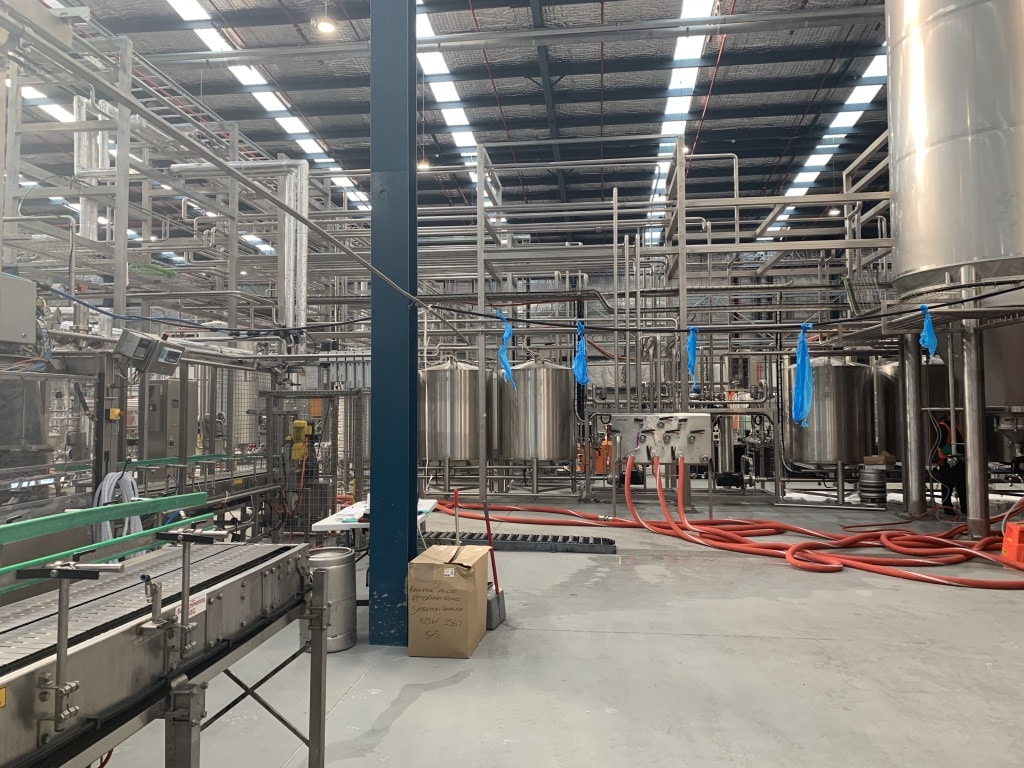
iEnvi was engaged by a brewing company to prepare an Operational Environmental Management Plan (OEMP) for a new brewery and associated wastewater treatment plant (WWTP) on the NSW Southern Tablelands. The facility included a warehouse for brewing and packaging beer and cider and required operational approval prior to commencement of production and discharge.
Regulatory context and compliance requirements
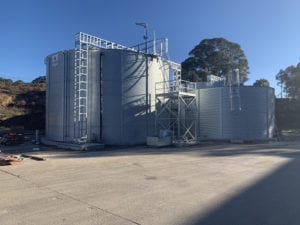
The site held an Environment Protection Licence (EPL) with the NSW Environment Protection Authority and a Trade Waste Agreement (TWA) with the local council. Both instruments set conditions for wastewater quality, monitoring and incident notification that the OEMP and Pollution Incident Response Management Plan (PIRMP) were required to address before operations began.
What this meant for the client (plain English)
- Meet EPL conditions for emissions, monitoring and reporting so the operator can lawfully run the brewery.
- Comply with the council Trade Waste Agreement so sewer discharge is accepted and avoids rejection or additional charges.
- Provide a tested PIRMP so staff and emergency services can respond quickly if a pollution incident occurs.
Scope of the OEMP we delivered
- Site inspection and operational review by an iEnvi Environmental Auditor to identify environmental risks and the physical extent of operations.
- Preparation and incorporation of an Aspects Register listing key environmental aspects (wastewater, odour, trade waste, stored chemicals, spills, stormwater interactions) and specific mitigation measures.
- Operational controls for the WWTP, pre-treatment (where required), sampling locations, monitoring frequency, and responsibilities for compliance with the EPL and TWA.
- Procedures for routine record-keeping, reporting and internal audits to demonstrate ongoing compliance to regulators and council.
Key environmental aspects and typical controls (practical summary)
- Wastewater strength (BOD/COD, TSS, pH): segregate high-strength streams (spent grain rinses, kettle dumps), install required pre-treatment (screens, grease traps, neutralisation) and define sampling points and frequency in the OEMP.
- Stormwater and spill prevention: bund liquid storage, keep production and wash-down areas separated from storm drains and maintain spill kits and trained staff on site.
- Odour and noise: plant layout and operational controls to limit odour generation, and operating hours/noise management to meet local planning and EPL limits.
- Sludge and solids handling: defined storage, off-site disposal route or reuse, and documentation to avoid contamination or unauthorised disposal.
Pollution Incident Response Management Plan (PIRMP)
After delivering the OEMP, iEnvi was re-engaged to prepare a PIRMP for the brewery and WWTP. The PIRMP sets out immediate actions, contacts and notification procedures so staff can contain and reduce impacts if a pollution incident occurs, consistent with NSW legislative requirements.
Why a PIRMP is required (short explanation)
Under NSW law, holders of environment protection licences are required to prepare and implement a PIRMP. The PIRMP identifies likely pollution incidents, immediate response actions, contact lists for authorities and the community and testing/exercise schedules so plans remain effective.
Benefits to the client and development/transaction outcomes
- Faster council and regulator acceptance at commissioning because EPL and TWA requirements were explicitly addressed.
- Lower operational and reputational risk through clear operational controls, staff training and incident response procedures.
- Improved transaction readiness: documented compliance arrangements reduce due diligence friction for investors, financiers or future site purchasers.
- Clear audit trail and record-keeping to support insurance claims and regulatory inspections.
Practical takeaways for other breweries and operators
- Obtain a Trade Waste Agreement from your council before discharge. It often requires pre-treatment and a set of monitoring obligations.
- Incorporate an Aspects Register into the OEMP so each identified risk has an owner, control measures and trigger levels for action.
- Test and exercise the PIRMP with staff, contractors and (where appropriate) the operator named in the Trade Waste Agreement.
- Keep records of sampling, maintenance and operator training to demonstrate ongoing compliance to the EPA and council.
iEnvi assistance and next steps
iEnvi prepared both the OEMP and PIRMP to satisfy council requirements and the brewery operator’s commissioning program. If you are planning a brewery or industrial premises with trade waste discharges, we can:
- Undertake a site inspection and prepare an OEMP and Aspects Register tailored to your operations;
- Prepare a PIRMP aligned with your EPL and TWA and run staff exercises;
- Advise on wastewater pre-treatment, monitoring programs and improvements to reduce trade waste charges.
Contact us to discuss a confidential enquiry: call 13000 43684 or visit /contact/.
Related services for this project. iEnvi links delivered project work back to the service pathways clients use for similar sites — investigation, remediation, ecology and environmental management.
Environmental management plans Environmental due diligence Environmental management Talk to iEnvi