

Project summary
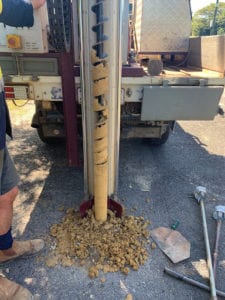 iEnvi was engaged to complete an Underground Petroleum Storage System (UPSS) assessment and a Detailed Site Investigation (DSI) for a service station with an attached residential dwelling in far north Queensland. The client planned to purchase the property to run the business and occupy the dwelling.
Scope of work
- Integrity testing of above‑ground storage tanks (AGSTs).
- Locate and inspect formerly used underground storage tanks (USTs/UPSS components).
- Intrusive soil sampling adjacent to tanks, fuel lines, bowsers and AGSTs to test for petroleum hydrocarbon impact.
- Use of local contractors to reduce cost, speed mobilisation and draw on local knowledge.
- Produce a DSI report that identified further work required and provided a cost estimate for use in sale negotiations.
Key findings
Soil samples collected adjacent to a formerly used fuel line returned evidence consistent with a petroleum release from the former underground system. The contamination was sufficient to require further investigative delineation and follow‑up remedial planning prior to unrestricted residential or commercial use.
What we delivered to the client
- A clear, staged DSI report describing the nature and likely source of contamination and areas that required delineation.
- A practical scope and cost estimate for further investigation and remediation options so the client could quantify risk and use the estimate during contract negotiations.
- Ongoing engagement — the client subsequently commissioned iEnvi to complete the recommended follow‑up works after purchasing the site.
Practical takeaways for buyers and developers
- Early investigation reduces commercial risk. A short, targeted DSI before settlement can clarify likely remediation cost and timing so buyers can negotiate price, conditions or seller remediation commitments.
- Local contractors often reduce mobilisation costs. Using competent local specialists can cut contractor travel and mobilisation fees without compromising data quality when supervised by an experienced environmental scientist.
- Investigative results shape approval and development pathways. Identifying contamination early informs whether a site will require a Remedial Action Plan (RAP), permits for contaminated soil movement, or involvement of an auditor or regulator.
Regulatory and compliance note
Detailed site investigations and remediation programs for petroleum‑impacted sites are typically conducted to the standards described in national site contamination guidance and relevant Australian Standards. A suitably qualified person should prepare contaminated‑land investigation documents if the land is to change use or be developed.
Next steps we recommend
- If you are buying a property with a UPSS history, commission a targeted DSI or a scoped follow‑up investigation to quantify contamination areas before settlement.
- Ask for itemised cost estimates for investigation, on‑site treatment, off‑site disposal and validation testing so funds can be allocated or negotiated.
- Engage a suitably qualified person (SQP) early if the results may require regulatory notification or an auditor-certified contaminated land investigation document under Queensland requirements.
Want advice specific to your property? Contact iEnvi for a confidential discussion — phone 13000 43684 or use our contact page.
Related services for this project. iEnvi links delivered project work back to the service pathways clients use for similar sites — investigation, remediation, ecology and environmental management.
DSI services UPSS investigation and validation CEnvP and SQP credentials Contaminated land services Talk to iEnvi