
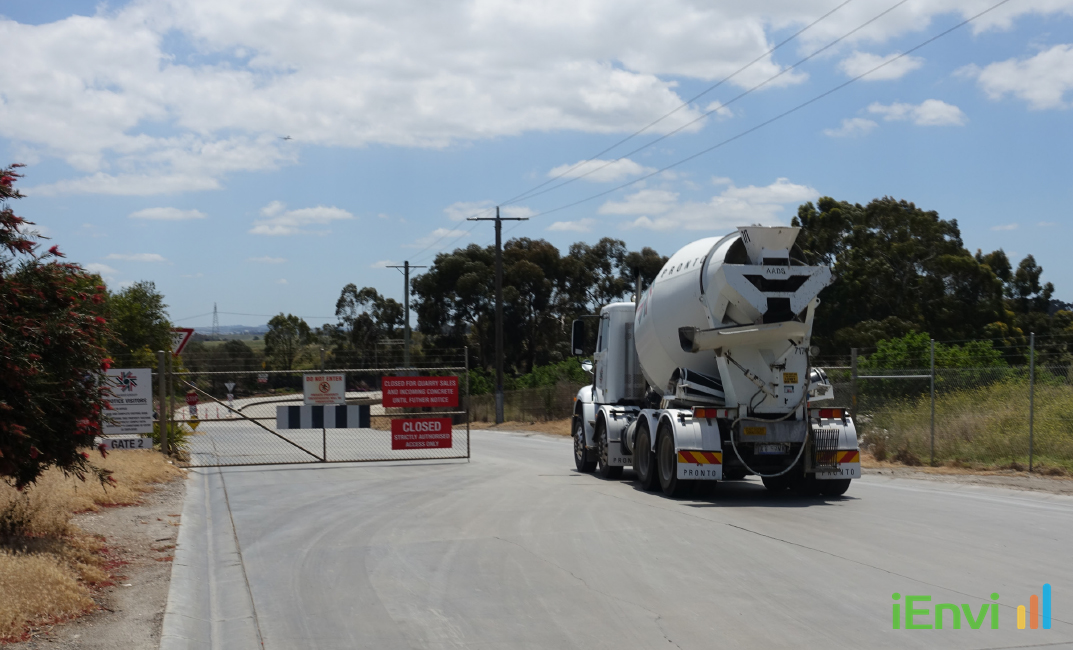
EPA Victoria Permanently Revokes Sunshine Landfill Licence: What the Kealba Decision Means for Contaminated Land Practice
Background to the Kealba Landfill Licence Revocation
On 27 July 2026, EPA Victoria took the most significant enforcement step available to it under the Environment Protection Act 2017 (Vic), permanently revoking the operating licence of Barro Group for the Sunshine Landfill located in Kealba, in Melbourne’s western suburbs. The decision brings an end to all landfill operations at the site, but it emphatically does not end the operator’s legal obligations. EPA Victoria simultaneously issued new environmental notices that legally compel Barro Group to extinguish the final remaining underground hotspot and fund full remediation of the site, a process the regulator expects will take no fewer than five years.
The Kealba landfill has been a source of sustained regulatory, legal, and community concern since underground hotspots, effectively subsurface smouldering fires, were first identified at the site in late 2019. Following years of compliance action, EPA Victoria issued a prohibition notice and a Notice of Intention to Suspend the operating licence in December 2025, citing the operator’s inability to demonstrate adequate systems for managing risks to the surrounding community. Barro Group did not respond to the suspension notice and ultimately conceded its operating rights. EPA Victoria CEO Joss Crawford was unequivocal in characterising the outcome: “Barro Group do not get to walk away from the site and leave taxpayers to foot the bill.”
For environmental consultants, auditors, developers, and in-house counsel working on projects involving legacy waste infrastructure, this decision carries material implications. It establishes a clear and enforceable precedent that the cessation of operations, whether voluntary or compelled, does not discharge an operator’s duty to remediate harm already caused. The case also illustrates the long tail of liability that attaches to poorly managed landfill sites, with financial and technical obligations extending well beyond the point of closure.
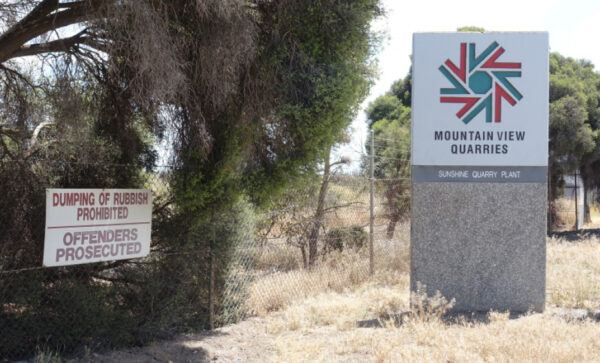
Key details of the Kealba enforcement action and remediation programme
The sequence of regulatory escalation at Kealba is instructive. Underground hotspots were identified at the site from late 2019 onward. These are zones of subsurface smouldering combustion driven by the decomposition of organic waste and the interaction of landfill gas with available oxygen. Managing such hotspots requires controlled injection of nitrogen or carbon dioxide, excavation of affected waste, and long-term monitoring of gas pressures and temperatures across the landfill body. The complexity of extinguishing the final remaining hotspot is significant enough that EPA Victoria’s projected remediation timeline extends to at least 2031.
In December 2025, EPA Victoria issued both a prohibition notice and a formal Notice of Intention to Suspend the Barro Group’s licence under the Environment Protection Act 2017 (Vic). The basis for this action was the regulator’s assessment that the operator lacked the operational systems necessary to safely manage community risks. Under the Act, the General Environmental Duty, codified at Section 25, requires any person conducting an activity that may give rise to risks of harm to human health or the environment to minimise those risks so far as reasonably practicable. EPA Victoria’s enforcement position was that Barro Group was not meeting this duty.
The revocation itself was finalised on 27 July 2026, following Barro Group’s failure to respond to the suspension notice. Critically, the revocation does not operate as a release from liability. The newly issued post-revocation environmental notices are legally binding instruments requiring the operator to continue and complete the hotspot extinguishment programme and fund the total remediation of the site. This includes ongoing landfill gas monitoring, odour management, and assessment of potential groundwater impacts from chemical migration. EPA Victoria’s Compliance and Enforcement Policy underpins the use of these instruments as tools to hold operators accountable beyond the life of a licence.
The Sunshine Landfill site at Kealba sits within the City of Brimbank. Community impacts documented over the course of the incident have included persistent odour affecting nearby residents, concerns regarding air quality from landfill gas emissions including methane and hydrogen sulphide, and uncertainty regarding the long-term land use future of the site. Brimbank City Council has maintained a separate information programme for affected residents throughout the incident. The multi-year duration of the hotspot problem and the ultimate revocation of the licence together illustrate how subsurface landfill hazards can escalate from a manageable compliance issue to a site-defining liability when operator responses are inadequate.

Australian context: General Environmental Duty enforcement and legacy landfill liability under state frameworks
The Kealba decision is directly relevant to contaminated land and environmental auditing practice across Australian jurisdictions, not only Victoria. While the specific legislative instrument is the Environment Protection Act 2017 (Vic) and its Section 25 General Environmental Duty, equivalent duty-of-care obligations exist in other state frameworks. In New South Wales, the Protection of the Environment Operations Act 1997 (POEO Act) and the Contaminated Land Management Act 1997 impose ongoing obligations on landowners and operators of contaminated sites. In Queensland, the Environmental Protection Act 1994 contains similar provisions. In South Australia, the Environment Protection Act 1993 and associated EPA guidelines govern contaminated site management. The Kealba precedent reinforces a principle that is consistent across these frameworks: an operator’s environmental liability does not terminate with the cessation of licensed activity, and regulators retain the power to compel remediation long after a site has closed.
References and related sources
- Primary source: www.epa.vic.gov.au
- thewestsider.com.au
- parliament.vic.gov.au
- epa.vic.gov.au
- miragenews.com
- EPA Victoria
How iEnvi can help
iEnvi provides specialist consulting services relevant to this topic. Our team includes CEnvP Site Contamination Specialists with experience across contaminated land, groundwater, remediation, ecology, and regulatory compliance.
- iEnvi contaminated land services
- iEnvi remediation services
- iEnvi expert services and independent review services
This is an iEnvi Machete news summary. Prepared by iEnvi to summarise the source article for contaminated land, groundwater, remediation, approvals and site risk professionals.
Published: 29 Jul 2026
Need advice on this topic? Speak to an iEnvi expert at info@ienvi.com.au or 1300 043 684, or contact us online.
Need advice on this issue? iEnvi provides practical, senior-led environmental consulting across contaminated land, remediation, ecology and environmental risk.
Team credentials Contaminated land services Remediation services Groundwater services Talk to iEnvi