
Overview
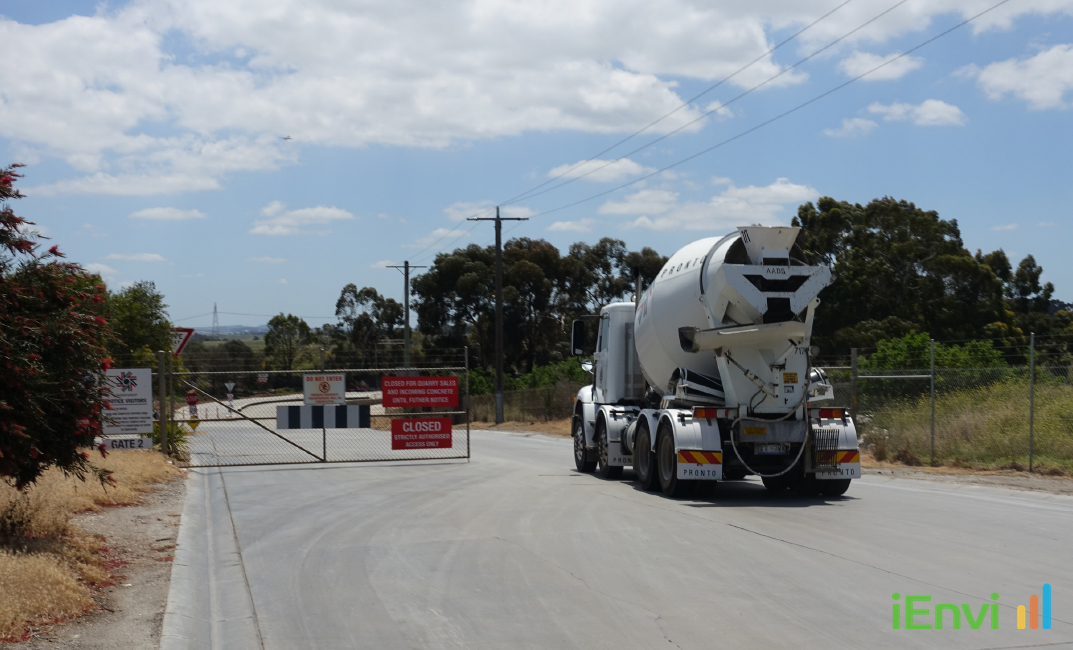
On 27 July 2022, EPA Victoria permanently revoked the operating licence of Barro Group for the Sunshine Landfill at Kealba in Melbourne’s western suburbs, ending all landfill operations at the site. Alongside the revocation, the regulator issued a new Environmental Action Notice legally binding Barro Group to fund and execute remediation for at least five years to extinguish the remaining subsurface hotspots and stabilise the landfill. This decision represents one of the most significant enforcement actions taken under Victoria’s Environment Protection Act 2017 against a major waste operator, and the site will never reopen as a landfill.
The regulatory action is the culmination of a crisis that began in late 2019, when underground hotspots formed within the landfill cells as oxygen reacted with decomposing waste and shredded tyres buried deep beneath the surface. Over the following years, those subsurface fires generated persistent toxic and foul-smelling emissions across the surrounding Kealba community, producing more than 10,000 formal health and odour complaints from residents. EPA Victoria issued a Notice of Intention to Suspend the licence in December 2021, and Barro Group subsequently conceded its right to continue operations, allowing the permanent revocation to proceed without a contested hearing.
For contaminated land practitioners, landfill managers, waste operators, and the lawyers and financiers who advise them, this case is instructive in ways that extend well beyond Victoria. It demonstrates that a licensed landfill operator can lose a multi-million-dollar operating asset through an accumulation of compliance failures under the General Environmental Duty, and that post-closure liability can be enforced through an Environmental Action Notice that keeps the polluter legally and financially responsible for the site indefinitely. The Kealba decision should be read by anyone involved in landfill development, acquisition, or post-closure management anywhere in Australia.
Key details of the Kealba landfill licence revocation and remediation notice
The subsurface hotspots at Kealba are technically distinct from surface landfill fires. They form when oxygen penetrates deep into waste cells and sustains slow combustion of organic material and rubber within the buried mass, in this case decomposing general waste combined with shredded tyres. The thermal reactions produce a range of toxic combustion by-products including volatile organic compounds, hydrogen sulphide, and particulate matter that migrate through the waste body and vent at the surface or through the landfill cap. Once established at depth, these hotspots are exceptionally difficult to extinguish because conventional firefighting methods cannot be applied to a sealed waste body without creating further oxygen ingress or destabilising the cap. The at-least-five-year remediation timeframe set by EPA Victoria reflects the genuine technical complexity of bringing such a hotspot under control safely.
EPA Victoria issued a Notice of Intention to Suspend the Sunshine Landfill operating licence in December 2021, following years of documented compliance failures and community harm. Barro Group did not contest the notice and conceded its right to continue operations, which allowed the EPA to formally revoke the licence on 27 July 2022. The permanent nature of the revocation means that reinstatement of landfill operations at the Kealba site is not available as a regulatory pathway. The site transitions from an active licensed facility to a post-closure contaminated land management obligation under the operator.
The Environmental Action Notice issued alongside the revocation is the primary enforcement instrument now governing the site. Under the Environment Protection Act 2017 (Vic), an Environmental Action Notice can compel a person responsible for contamination to undertake specified works, monitoring, and reporting. In this case, the EAN requires Barro Group to maintain active remediation and monitoring programmes for a period expected to be at least five years. The operator remains solely financially responsible for all costs associated with extinguishing the hotspot, stabilising the landfill, managing emissions, and demonstrating to EPA Victoria that the site meets post-closure environmental performance standards. The operator cannot transfer or extinguish that liability simply by ceasing business activities.
The General Environmental Duty, established under Part 2 of the Environment Protection Act 2017 (Vic), provides the foundational obligation that underpins this enforcement action. The GED requires any person engaged in an activity that may give rise to risks of harm to human health or the environment to understand those risks and minimise them so far as reasonably practicable. The Kealba case demonstrates that the GED applies not only during active operations but extends to post-closure responsibilities. More than 10,000 community complaints over a period of several years establishes a documented record of harm to human health and amenity, which the regulator has determined constituted a sustained breach of that duty.
Australian context: landfill post-closure liability frameworks and the EP Act 2017 (Vic) enforcement model
Victoria’s Environment Protection Act 2017 is among the most comprehensive environmental protection statutes in Australia, and its enforcement architecture differs in meaningful ways from the legislative frameworks in Queensland, New South Wales, South Australia, and Western Australia. The General Environmental Duty is a principles-based obligation that does not require a specific pollution event to have occurred before the regulator can act. EPA Victoria can intervene where an operator is creating unreasonable risk of harm, and can issue Environmental Action Notices, Pollution Abatement Notices, and licence conditions that compel remediation and ongoing monitoring obligations independently of whether criminal or civil liability has been established.
References and related sources
- Primary source: www.epa.vic.gov.au
- thewestsider.com.au
- rightnow.org.au
- epa.vic.gov.au
- jade.io
- EPA Victoria
How iEnvi can help
iEnvi provides specialist consulting services relevant to this topic. Our team includes CEnvP Site Contamination Specialists with experience across contaminated land, groundwater, remediation, ecology, and regulatory compliance.
- iEnvi contaminated land services
- iEnvi remediation services
- iEnvi expert services and independent review services
This is an iEnvi Machete news summary. Prepared by iEnvi to summarise the source article for contaminated land, groundwater, remediation, approvals and site risk professionals.
Published: 28 Jul 2026
Need advice on this topic? Speak to an iEnvi expert at info@ienvi.com.au or 1300 043 684, or contact us online.
Need advice on this issue? iEnvi provides practical, senior-led environmental consulting across contaminated land, remediation, ecology and environmental risk.
Team credentials Contaminated land services Remediation services Groundwater services Talk to iEnvi