
Overview
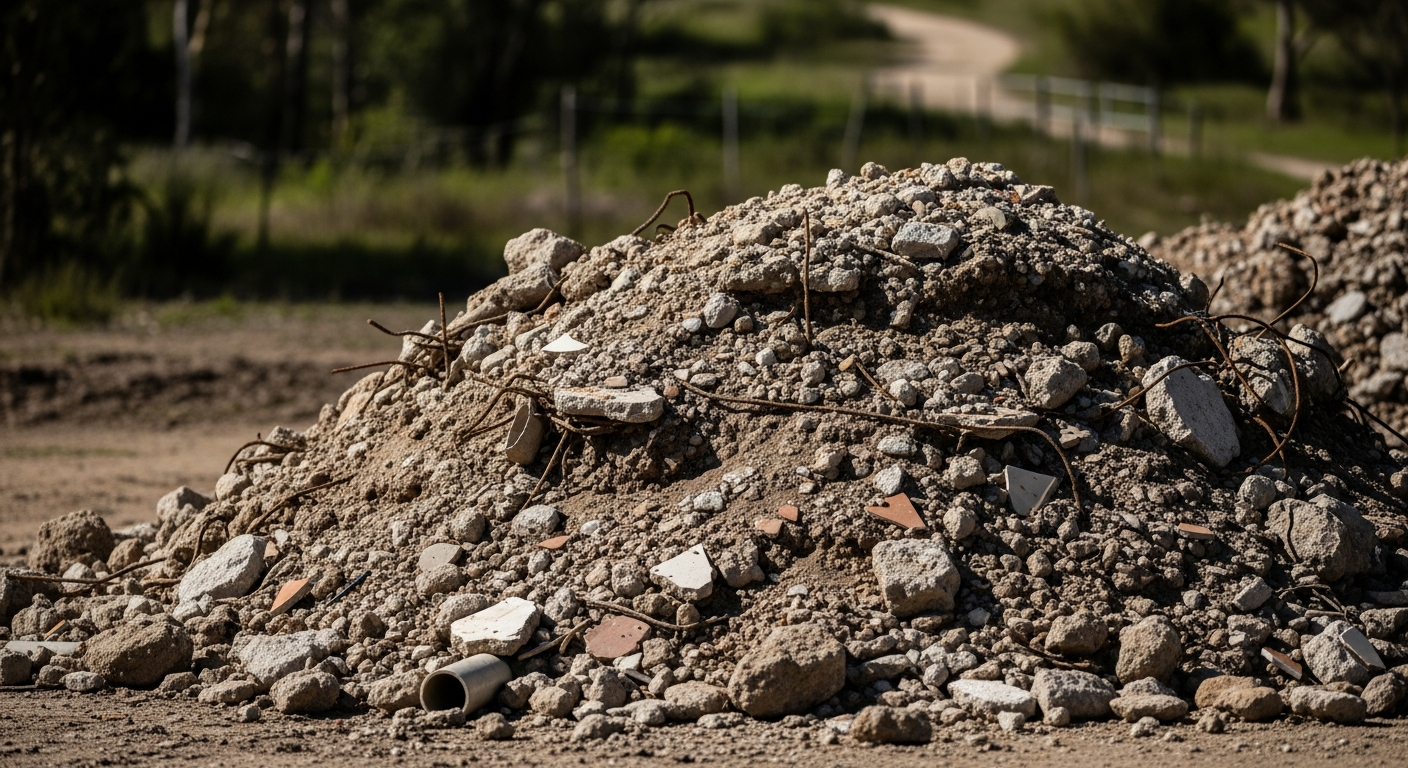
The landscape of environmental regulatory compliance in Australia is undergoing a fundamental shift, driven not by an expansion of regulatory inspectorates, but by the ubiquity of consumer technology. In a residential suburb of Melbourne, Victoria, a local community member successfully initiated a state-level environmental enforcement action by filming an individual dumping contaminated soil. The resident captured footage of a vehicle discharging over 1,000 litres of construction and demolition waste onto a cleared residential block in Ashwood. This digital evidence, which clearly displayed the vehicle’s registration plate, was submitted directly to Environment Protection Authority (EPA) Victoria, providing the regulatory body with the precise information required to launch a targeted investigation.
This incident highlights the growing reality that every citizen with a smartphone now functions as a field-based extension of the environmental regulator’s surveillance network. For developers, construction contractors, landholders, and environmental consultants, the traditional reliance on physical site boundaries and secluded locations to shield operations from scrutiny is no longer viable. The ease with which the public can capture, document, and report suspected environmental non-compliance has transformed the risk landscape, making real-time compliance an operational necessity rather than a corporate aspiration.
Using the crowdsourced footage, EPA Victoria successfully traced the vehicle to a hire company, leading directly to the identification and prosecution of the individual responsible. The enforcement response was swift and multi-layered, combining immediate financial penalties with long-term, legally binding remediation orders. This case serves as an important warning for the construction and property development sectors across Australia, demonstrating that the financial and reputational consequences of improper waste management will be pursued aggressively, even for relatively small volumes of material.
Key details
The technical and administrative specifics of this case demonstrate the precise mechanisms that EPA Victoria employs when executing its statutory powers under the Environment Protection Act 2017. The waste material in question comprised more than 1,000 litres of construction and demolition soil, which is classified as industrial waste under Victorian law. Construction and demolition waste streams are subject to rigorous regulatory controls because they frequently contain a complex mixture of contaminants, including heavy metals, synthetic mineral fibres, hydrocarbons, and asbestos. The deposition of such material on a cleared residential site represents a significant exposure risk, as residential land-use settings are subject to the strictest health-based investigation levels, specifically the Health Investigation Level A guidelines established under the National Environment Protection (Assessment of Site Contamination) Measure.
Upon identifying the perpetrator through the hire vehicle’s records, the EPA issued an immediate financial penalty of $1,976. While this initial infringement fine represents a direct punitive measure, it constitutes only a small fraction of the total financial liability imposed on the offender. The critical regulatory instrument deployed by the EPA was an Environmental Action Notice, issued under Section 274 of the Environment Protection Act 2017. An Environmental Action Notice is a statutory directive that compels the recipient to undertake specific clean-up, management, or remediation activities to address environmental risks or actual harm.
Under the terms of the Environmental Action Notice, the individual was legally required to return to the Ashwood site, excavate the entirety of the dumped contaminated soil, and transport it to a facility legally authorised to receive that specific class of industrial waste. The recipient was also required to provide verifiable proof of compliant disposal to the regulator. This process requires the engagement of qualified environmental professionals to validate that the site has been restored to its pre-contamination state, alongside the payment of commercial landfill gate fees and the state waste levy, which is designed to disincentivise the landfilling of industrial waste. The total cost of executing these mandatory remediation works far exceeds the minor disposal fees the individual attempted to avoid through illegal dumping.
The evidentiary chain established in this case also highlights the strength of owner-onus provisions in environmental legislation. By tracing the registration plate of the hire truck, the regulator bypassed the typical challenges of proving who was operating the vehicle at the exact time of the offence. Under Victorian environmental legislation, the owner or hirer of a vehicle can be held responsible for waste dumped from that vehicle unless they can prove another party was in control, establishing a strong framework for rapid enforcement.
Australian context
This enforcement action represents a practical application of the Environment Protection Act 2017, which commenced on 1 July 2021 and fundamentally restructured Victoria’s environmental protection framework. The cornerstone of this modern legislative regime is the General Environmental Duty, which requires any person conducting an activity that poses a risk of harm to human health or the environment from pollution or waste to eliminate or reduce those risks so far as reasonably practicable. Furthermore, the Act establishes strict provisions regarding the management of industrial waste, specifically under Section 133, which prohibits the deposit of industrial waste at a place that is not a lawful place. A lawful place is defined as a facility or site that has the appropriate statutory approvals, licences, or registrations to receive and manage that particular class of waste, such as a licensed landfill, a registered resource recovery facility, or a permitted waste transfer station.
References and related sources
- Primary source: www.epa.vic.gov.au
- EPA Victoria
How iEnvi can help
iEnvi provides specialist consulting services relevant to this topic. Our team includes CEnvP Site Contamination Specialists with experience across contaminated land, groundwater, remediation, ecology, and regulatory compliance.
- iEnvi remediation services
- iEnvi contaminated land investigation services
- iEnvi expert services and independent review services
This is an iEnvi Machete news summary. Prepared by iEnvi to summarise the source article for contaminated land, groundwater, remediation, approvals and site risk professionals.
Published: 17 Jun 2026
Need advice on this topic? Speak to an iEnvi expert at info@ienvi.com.au or 1300 043 684, or contact us online.
Need advice on this issue? iEnvi provides practical, senior-led environmental consulting across contaminated land, remediation, ecology and environmental risk.
Team credentials Contaminated land services Remediation services Groundwater services Talk to iEnvi