
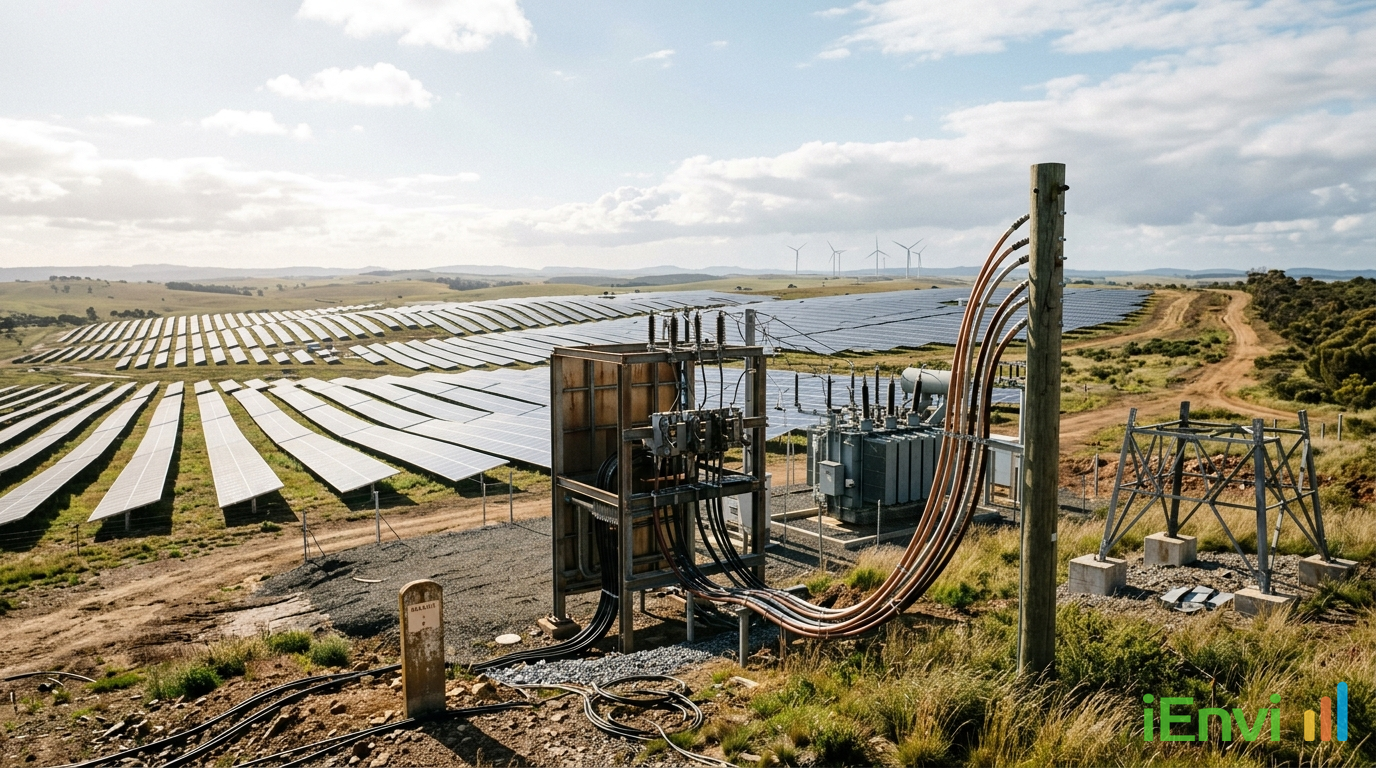
Impact of the LRET to REGO Transition on Corporate Reporting
Australia’s renewable energy certification system is undergoing a fundamental structural change. The Federal Government has confirmed that the Large-scale Renewable Energy Target (LRET), which has underpinned Australia’s renewable energy investment landscape since the Renewable Energy (Electricity) Act 2000, will officially close on 31 December 2030. After that date, no further large-scale generation certificates (LGCs) can be created. In their place, the Federal Government has established the Guarantee of Origin (GO) scheme under the Future Made in Australia (Guarantee of Origin) Act 2024, introducing a new certificate class known as the Renewable Electricity Guarantee of Origin (REGO).
The significance of this shift extends well beyond the renewable energy sector itself. For ESG consultants, sustainability managers, corporate environmental advisors, and the clients they serve, including developers, listed corporations, and infrastructure operators, this is a move from a domestically focused compliance mechanism to an internationally recognised emissions accounting standard. The new GO scheme is designed to integrate directly with the National Greenhouse and Energy Reporting (NGER) Act 2007, which means renewable energy claims will carry far greater evidentiary weight in formal greenhouse gas reporting contexts than the existing LGC framework ever required.
The timing of this transition is not incidental. It coincides with the staged rollout of mandatory climate-related financial disclosures under AASB S2, which progressively requires large Australian entities to report Scope 2 emissions with increasing rigour and transparency. Organisations that have historically relied on LGC surrenders to support market-based Scope 2 accounting will need to rebuild their documentation frameworks around the REGO certificate structure. Those who delay this transition risk having their renewable energy claims challenged under both domestic reporting obligations and international supply chain due diligence expectations.
Key Details of the LGC to REGO Transition
The LRET closure date of 31 December 2030 is fixed under the Renewable Energy (Electricity) Act 2000 as amended. This means that LGC creation ceases entirely at that point. LGCs already created before that date can continue to be surrendered for a defined period, but the forward pipeline of certificate supply under the old system will taper as 2030 approaches. The transition is not a sudden cutover but rather a phased wind-down running in parallel with the ramp-up of the GO scheme, which gives organisations a window to restructure their procurement and reporting arrangements before the hard deadline arrives.
The GO scheme is established under the Future Made in Australia (Guarantee of Origin) Act 2024, with consequential amendments to existing legislation handled through the Future Made in Australia (Consequential Amendments and Transitional Provisions) Act 2024. The central innovation of the REGO certificate is its direct integration with the NGER Act framework. Under the existing LGC system, certificate surrender was primarily a mechanism for meeting mandatory renewable energy obligations rather than a precise instrument for Scope 2 emissions accounting. The REGO certificate is specifically designed to serve the latter purpose, providing a verifiable, traceable documentation trail that can be used within formal greenhouse gas inventories prepared under the NGER Act.
This integration with the NGER Act is technically important because the NGER Act sets the underlying reporting standards that feed into Australia’s national inventory and inform corporate-level disclosure obligations. Where LGCs existed somewhat alongside the NGER framework, REGO certificates are intended to operate within it. This distinction matters for organisations reporting under AASB S2, which requires entities to apply the Greenhouse Gas Protocol’s market-based method for Scope 2 accounting. Under that method, the quality of the contractual instrument used to support a Scope 2 claim is critical. REGO certificates, with their NGER Act integration and global alignment, are designed to meet this evidentiary standard in a way that legacy LGCs were not explicitly structured to do.
The global alignment aspect of the GO scheme reflects deliberate policy intent. International renewable energy certificate systems, including the European Guarantees of Origin framework and the International REC Standard, have long provided tradeable instruments that can support Scope 2 accounting across borders. Australian LGCs were not recognised equivalents in those systems, creating friction for multinational corporations attempting to apply consistent accounting methodologies across their global operations. The REGO certificate framework is intended to address this gap, giving Australian renewable energy procurement a certificate type that is recognisable and verifiable within international supply chain reporting contexts.
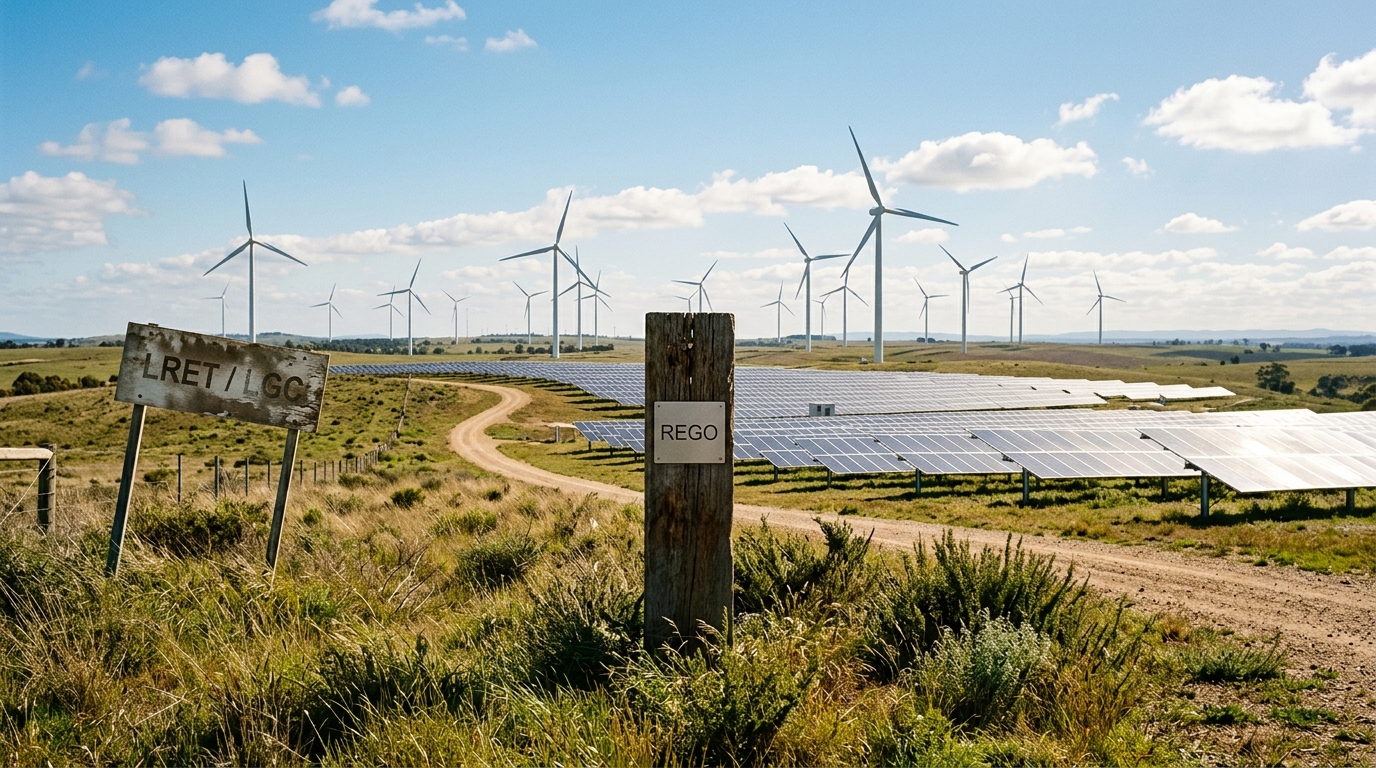
NGER Act Integration, AASB S2 Reporting, and Power Purchase Agreement Structures
Within the Australian regulatory landscape, this transition touches several overlapping frameworks simultaneously. The NGER Act has been the backbone of Australia’s corporate greenhouse gas reporting since 2007, requiring large facilities and corporations to report energy production, energy consumption, and greenhouse gas emissions to the Clean Energy Regulator. The GO scheme’s integration with the NGER Act means that REGO certificates will be anchored within this established reporting architecture rather than sitting outside it as a parallel instrument.
References and related sources
- Primary source: www.mondaq.com
How iEnvi can help
iEnvi provides specialist consulting services relevant to this topic. Our team includes CEnvP Site Contamination Specialists with experience across contaminated land, groundwater, remediation, ecology, and regulatory compliance.
- iEnvi contaminated land investigation services
- iEnvi remediation and validation services
- iEnvi expert services and independent review services
This is an iEnvi Machete news summary. Prepared by iEnvi to summarise the source article for contaminated land, groundwater, remediation, approvals and site risk professionals.
Published: 21 Apr 2026
Need advice on this topic? Speak to an iEnvi expert at hello@ienvi.com.au or 1300 043 684, or contact us online.
Need advice on this issue? iEnvi provides practical, senior-led environmental consulting across contaminated land, remediation, ecology and environmental risk.
Contaminated land services Remediation services Groundwater services Ecology consulting Talk to iEnvi