
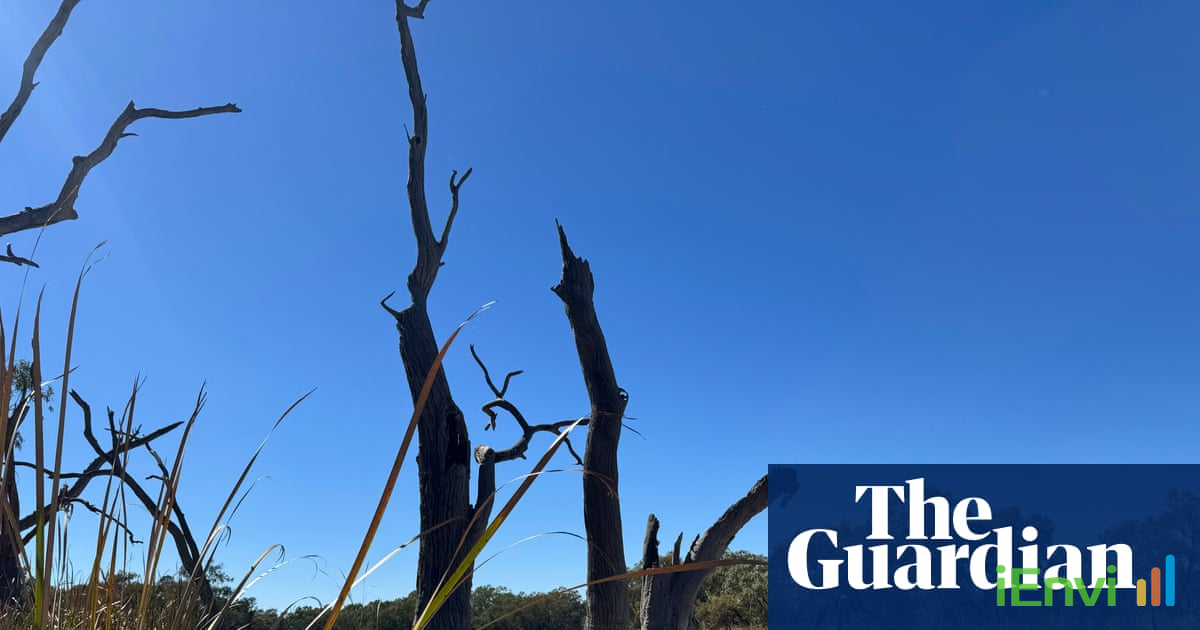
Ecological Impact of WaterNSW Flow Halt in Gwydir Wetlands
In March 2026, WaterNSW abruptly halted environmental flows from Copeton Dam into the Gwydir wetlands near Moree in northern New South Wales, triggering an immediate ecological disaster. The decision, reportedly made in response to concerns raised by a single landholder about the potential inundation of private agricultural land, caused the rapid drying of the Gingham watercourse and resulted in the deaths of hundreds of broad-shelled turtles (Chelodina expansa), eastern long-necked turtles (Chelodina longicollis), waterbirds, and frogs. Researchers from the University of New England were forced to wade through thigh-deep mud to rescue surviving animals, and as of the date of reporting on 20 April 2026, 39 rescued turtles were being housed and treated at Taronga Western Plains Zoo.
Professor Richard Kingsford, a conservation biologist and wetland ecologist at the University of New South Wales and Director of the Kingsford Centre for Ecosystem Science, described the agency’s decision as “appalling” and “absolutely crazy,” pointing out that the water held in Copeton Dam was specifically allocated for environmental purposes by both the federal and state governments. The incident has drawn broad condemnation from the scientific community and has been characterised publicly as a “classic bureaucratic tangle.” The Gingham watercourse and surrounding wetlands support four Ramsar-listed sites, meaning Australia carries binding international obligations to maintain their ecological character under the Ramsar Convention on Wetlands.
For ecologists, environmental planners, water managers, and legal practitioners working across the Murray-Darling Basin, this incident is a sharp and concrete demonstration of what happens when operational decision-making by a state water agency overrides established environmental watering regimes without adequate governance frameworks. The consequences here were not gradual or ambiguous. They were rapid, measurable, and fatal to hundreds of native animals within a protected wetland system of international significance. Understanding the regulatory and operational failures involved is essential for anyone responsible for environmental water management, biodiversity assessment, or due diligence on projects intersecting with Basin water allocations.
Key details of the Gwydir wetlands environmental flows incident
The Gwydir wetlands are located in the northern Murray-Darling Basin in New South Wales and are widely recognised as one of the most ecologically significant floodplain wetland systems in inland Australia. The wetlands support four Ramsar-listed sites, a designation under the Convention on Wetlands of International Importance that imposes specific obligations on signatory nations to maintain the ecological character of listed sites. The Gingham watercourse is a central hydrological feature of this system, and its periodic inundation supports critical breeding, feeding, and movement cycles for a range of native fauna, including freshwater turtles, colonial waterbirds, frogs, and fish.
Environmental water held in Copeton Dam is allocated specifically for ecological purposes through established environmental watering plans developed under the Murray-Darling Basin Plan and the relevant New South Wales water sharing plans. These allocations are not discretionary operational reserves. They are formally designated environmental entitlements intended to be released according to planned watering events designed to replicate natural flood cycles and support ecological outcomes. The decision to halt flows mid-event is, from an ecological standpoint, substantially more damaging than not releasing water in the first place. When water enters a floodplain system, native animals respond immediately. Turtles, waterbirds, and frogs move into inundated areas to feed and breed. If the water is then abruptly withdrawn, these animals are stranded in rapidly drying mudflats with no viable pathway to retreat to permanent water. This is precisely the artificial boom-and-bust scenario that played out in the Gingham watercourse in March 2026.
Broad-shelled turtles are Australia’s largest freshwater turtle species and are particularly vulnerable during active watering events because they move extensively across inundated floodplains and cannot rapidly relocate when water recedes. Eastern long-necked turtles face similar constraints in sudden drying conditions. Both species are listed under the New South Wales Biodiversity Conservation Act 2016, and their loss at scale within a Ramsar-listed site represents a serious ecological and regulatory event. The University of New England research team’s emergency intervention demonstrates the speed at which ecological collapse can occur when a planned watering event is interrupted without scientific consultation or prior ecological impact assessment.
The triggering factor, according to reporting by The Guardian Australia on 20 April 2026, was the concern of a single private landholder about the potential inundation of adjacent agricultural land. Whether that concern reflected a genuine risk of property damage or a misunderstanding of the planned inundation extent has not been clarified publicly. However, the outcome illustrates a structural vulnerability: the absence of clear operational protocols that prevent a unilateral agency decision from interrupting an active environmental watering event that is legally sanctioned under both state and federal frameworks.
Australian regulatory context for environmental water management and Ramsar obligations
Australia’s management of environmental water in the Murray-Darling Basin operates through an interlocking framework of federal and state legislation and policy instruments. At the federal level, the Water Act 2007 (Cth) established the Murray-Darling Basin Authority and provides the legislative basis for the Murray-Darling Basin Plan, which sets environmentally sustainable limits on water extraction and prescribes environmental watering requirements across the Basin.
References and related sources
- Primary source: www.theguardian.com
- theguardian.com
How iEnvi can help
iEnvi provides specialist consulting services relevant to this topic. Our team includes CEnvP Site Contamination Specialists with experience across contaminated land, groundwater, remediation, ecology, and regulatory compliance.
- iEnvi contaminated land investigation services
- iEnvi remediation and validation services
- iEnvi expert services and independent review services
This is an iEnvi Machete news summary. Prepared by iEnvi to summarise the source article for contaminated land, groundwater, remediation, approvals and site risk professionals.
Published: 22 Apr 2026
Need advice on this topic? Speak to an iEnvi expert at hello@ienvi.com.au or 1300 043 684, or contact us online.
Need advice on this issue? iEnvi provides practical, senior-led environmental consulting across contaminated land, remediation, ecology and environmental risk.
Contaminated land services Remediation services Groundwater services Ecological assessment Talk to iEnvi