
Federal Government invests $500,000 in Northern Territory habitat resilience ahead of H5N1 avian influenza arrival
Overview
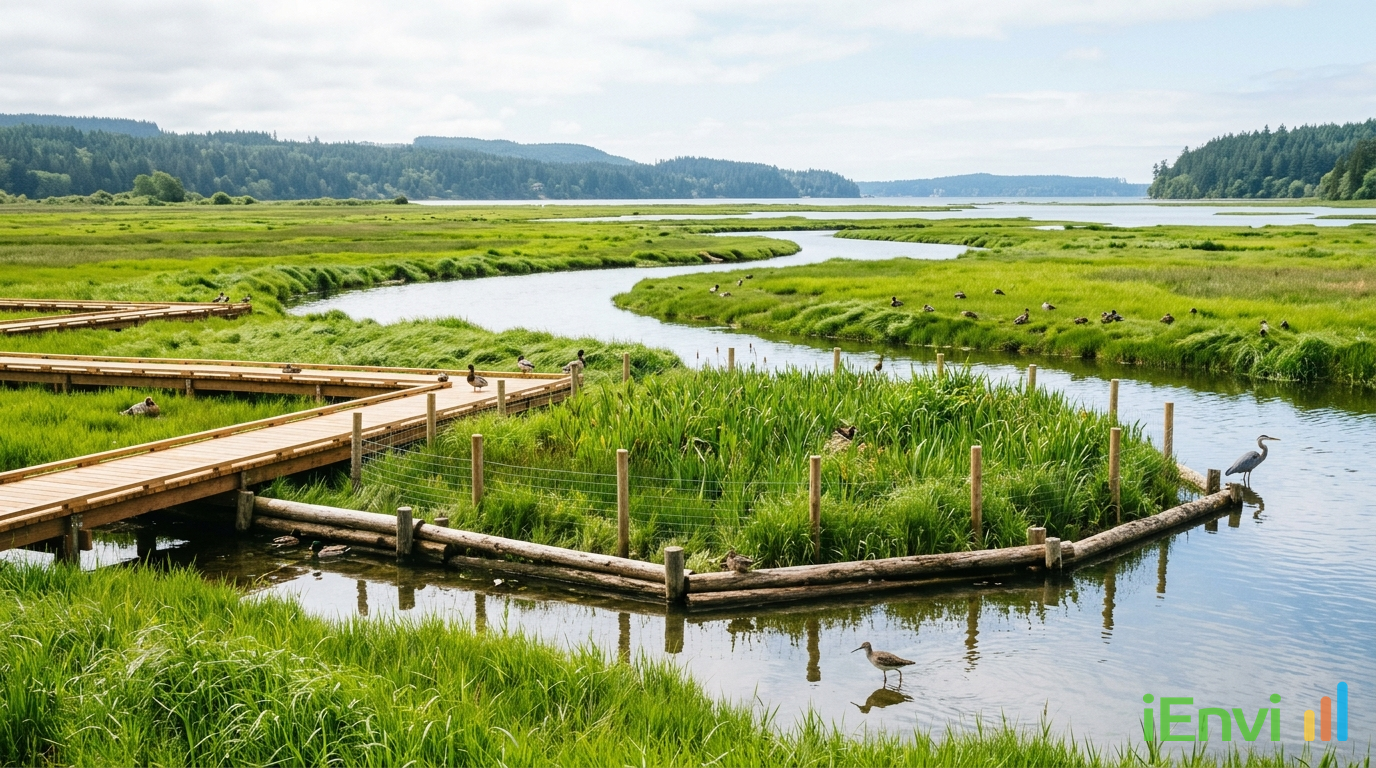
The Australian Government has announced more than $500,000 in targeted funding to prepare native species habitats in the Northern Territory for the anticipated arrival of H5N1 avian influenza, commonly referred to as H5 bird flu. The announcement, published by the Department of Climate Change, Energy, the Environment and Water (DCCEEW) on 15 April 2026, represents a shift away from conventional emergency biosecurity responses. Rather than concentrating resources on containment or post-outbreak recovery, the federal strategy is explicitly oriented toward building ecological resilience before the virus reaches Australian shores. Minister Murray Watt has been direct about the rationale: “We can’t stop H5 bird flu from reaching Australia, but we can prepare by building sustainable and healthy populations of our native species.”
This NT allocation sits within a substantially larger federal commitment. The $100 million H5 Avian Influenza Preparedness Package includes $35.9 million specifically earmarked for environmental and ecological measures, making this one of the most significant federally coordinated investments in proactive conservation management Australia has seen in response to an incoming biological threat. Native species already under stress from invasive weeds, feral animals, and degraded habitats are far more vulnerable to a novel viral pathogen than those in healthy, well-functioning ecosystems. Removing compounding stressors before the virus arrives gives populations the best chance of persisting through an outbreak.
For ecologists, biodiversity assessors, land managers, and the developers and agencies that commission their work, this announcement signals a meaningful shift in how federal conservation funding and regulatory attention will be directed over the coming years. Biosecurity threat preparedness is being integrated into mainstream ecological management, and practitioners who do not adapt their assessment frameworks and management plans accordingly risk falling behind emerging grant criteria, approval conditions, and offset valuation standards.
Key details of the NT H5N1 preparedness funding
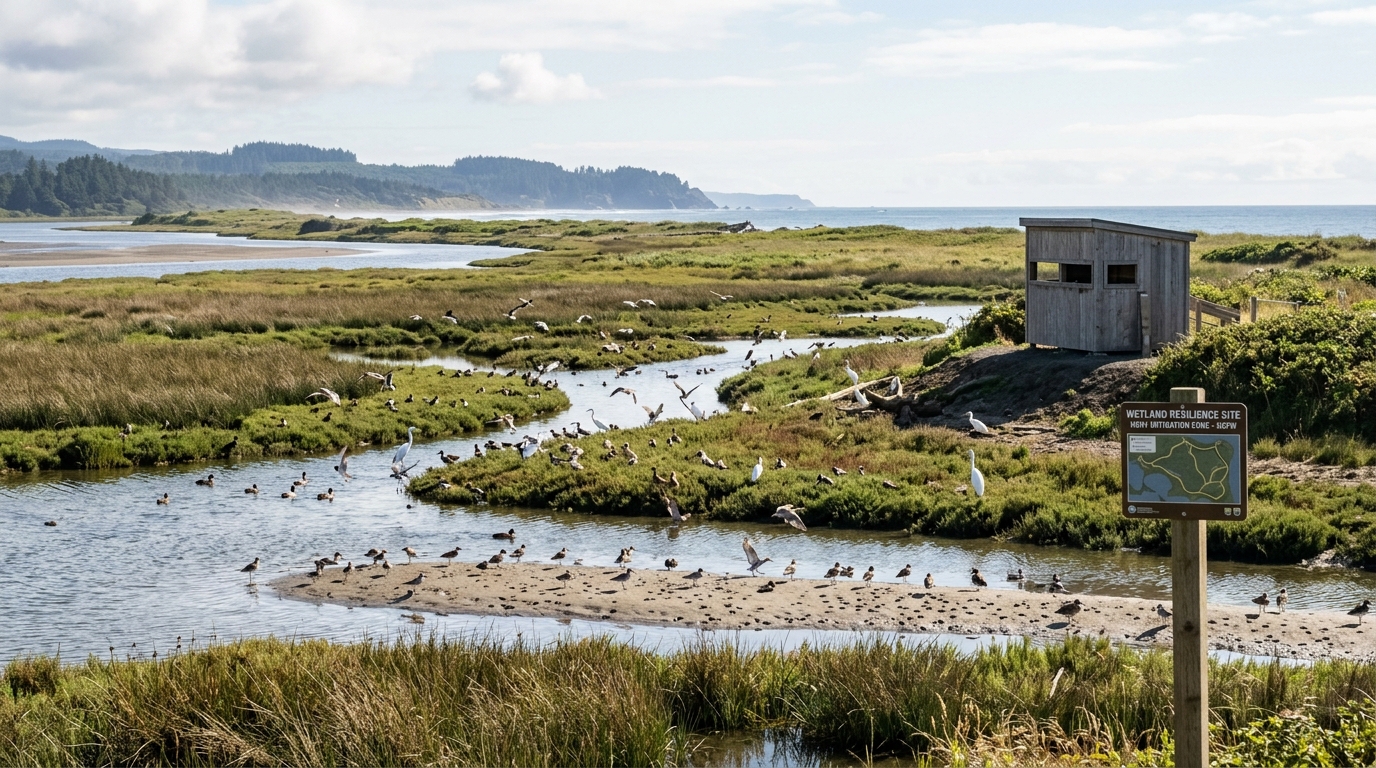
The $500,000 Northern Territory allocation targets two primary categories of intervention: invasive species control and biosecurity infrastructure upgrades for threatened species facilities. On the invasive species side, the funding supports the removal of weeds of national significance, specifically olive hymenachne and mimosa, both of which are known to degrade wetland water quality, restrict water flow, and displace native vegetation communities that waterbirds and other fauna depend on for foraging and breeding. These weed species are particularly problematic in the Top End, where seasonal flooding creates ideal conditions for rapid spread across floodplains and wetland margins.
The funding also supports aerial surveys and the physical removal of feral pigs, buffalo, and gamba grass in priority biodiversity hotspots, with Mary River National Park identified as a critical target area. Feral pigs and buffalo are well-documented destroyers of wetland integrity in northern Australia, rooting up vegetation, compacting soils, and fouling water sources. Gamba grass, an introduced African pasture grass, dramatically alters fire regimes by producing far greater fuel loads than native grasses, leading to more intense and more frequent fires that degrade habitat structure and reduce the carrying capacity of landscapes for native species. Removing these pressures directly improves the condition of habitats that migratory waterbirds and shorebirds use, many of which are the species most at risk from H5N1 transmission along international flyways.
A separate and more targeted component of the funding involves biosecurity upgrades at captive facilities managing threatened species. A $9,700 allocation has been confirmed for biosecurity infrastructure improvements at the Alice Springs Desert Park to protect the greater bilby, a nationally threatened marsupial. While the bilby is not a direct transmission vector for avian influenza, the inclusion of captive threatened species facilities in an avian influenza preparedness package reflects a broader federal position: that insurance populations of threatened species must be protected from the indirect and secondary effects of a major ecological disruption, including the cascading land management responses that a widespread bird flu outbreak would trigger.
Australia currently remains free of the H5N1 strain that is causing mass mortality events in wild birds and some mammals overseas. The virus has spread widely across North America, Europe, South America, and parts of Asia, with documented spillover into marine mammals, dairy cattle, and isolated human cases in several countries. Migratory shorebirds and waterbirds travelling along the East Asian-Australasian Flyway are the most plausible pathway for introduction into Australia, and given the scale of flyway connectivity, federal authorities have publicly acknowledged that arrival is a matter of when, not if.
Australian regulatory and policy context for H5N1 ecological preparedness
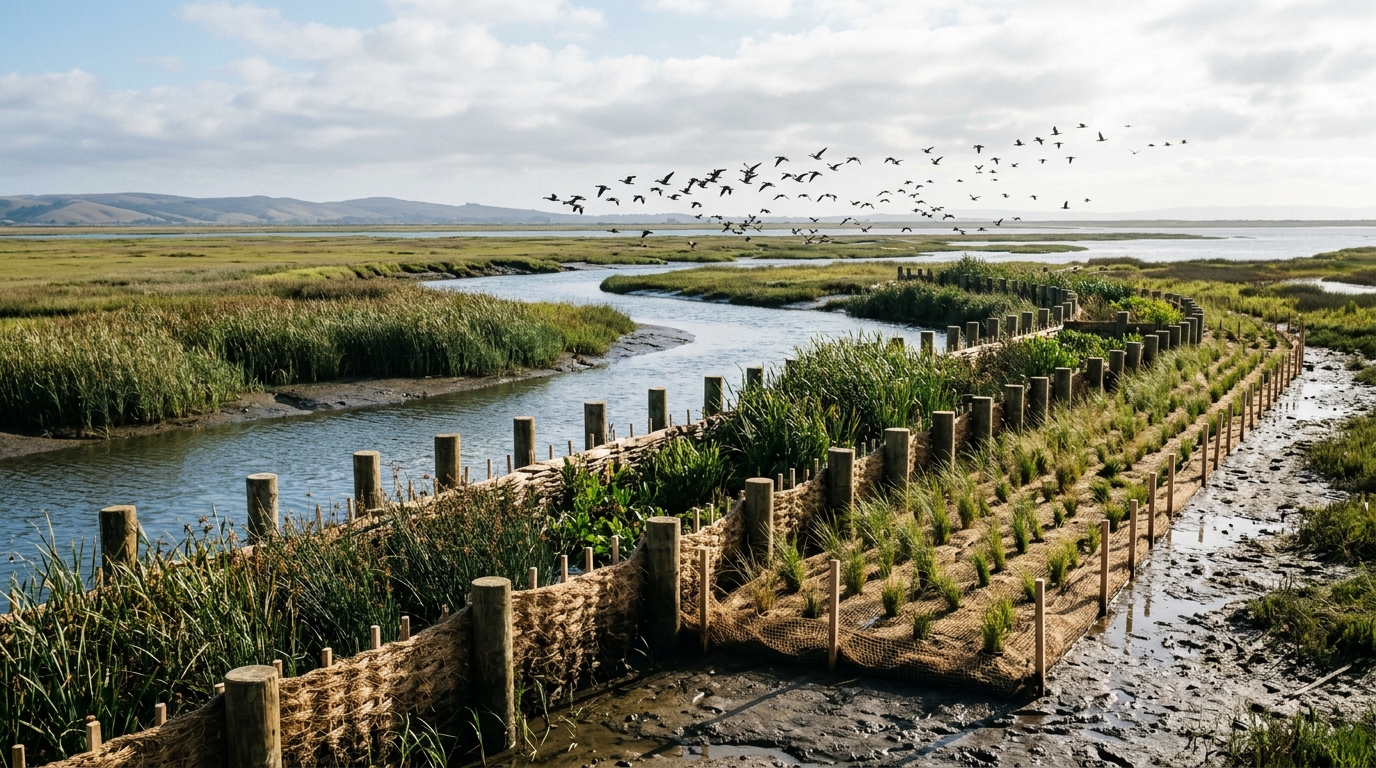
Australia’s response to the H5N1 threat sits at the intersection of biosecurity law and environmental regulation, drawing on both the Biosecurity Act 2015 and the Environment Protection and Biodiversity Conservation Act 1999 (EPBC Act). Under the EPBC Act, listed threatened species and ecological communities are afforded specific protections, and any significant impact on them triggers referral obligations. A widespread H5N1 outbreak affecting populations of listed waterbirds or shorebirds could generate referral obligations for a range of activities previously considered low-risk, as land managers, developers, and agencies respond to altered habitat conditions and emergency management requirements across affected landscapes.
References and related sources
- Primary source: www.dcceew.gov.au
- EPBC Act
How iEnvi can help
iEnvi provides specialist consulting services relevant to this topic. Our team includes CEnvP Site Contamination Specialists with experience across contaminated land, groundwater, remediation, ecology, and regulatory compliance.
- iEnvi contaminated land investigation services
- iEnvi remediation and validation services
- iEnvi expert services and independent review services
This is an iEnvi Machete news summary. Prepared by iEnvi to summarise the source article for contaminated land, groundwater, remediation, approvals and site risk professionals.
Published: 15 Apr 2026
Need advice on this topic? Speak to an iEnvi expert at info@ienvi.com.au or 1300 043 684, or contact us online.
Need advice on this issue? iEnvi provides practical, senior-led environmental consulting across contaminated land, remediation, ecology and environmental risk.
Team credentials Contaminated land services Remediation services Groundwater services Talk to iEnvi