
Remaking the Alternative Waste Treatment (AWT) Method
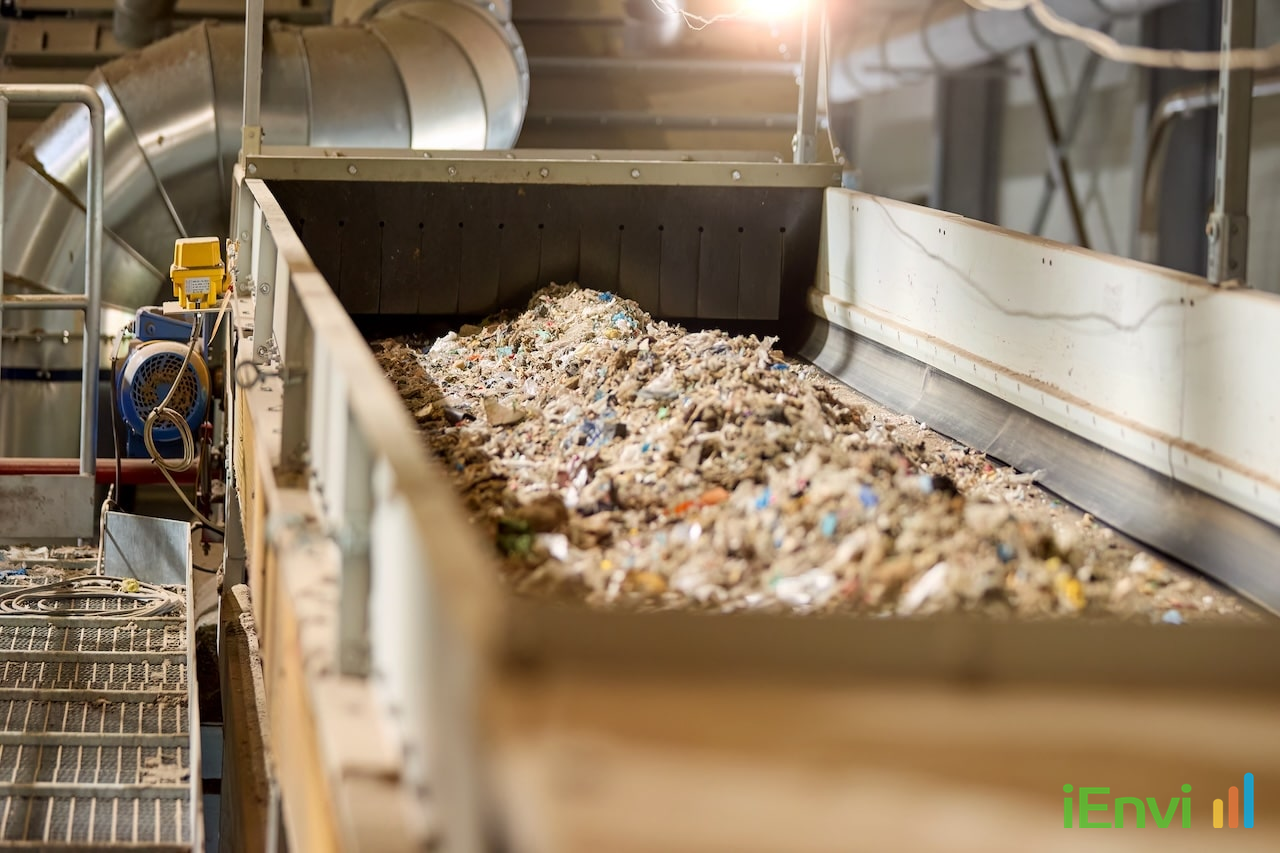
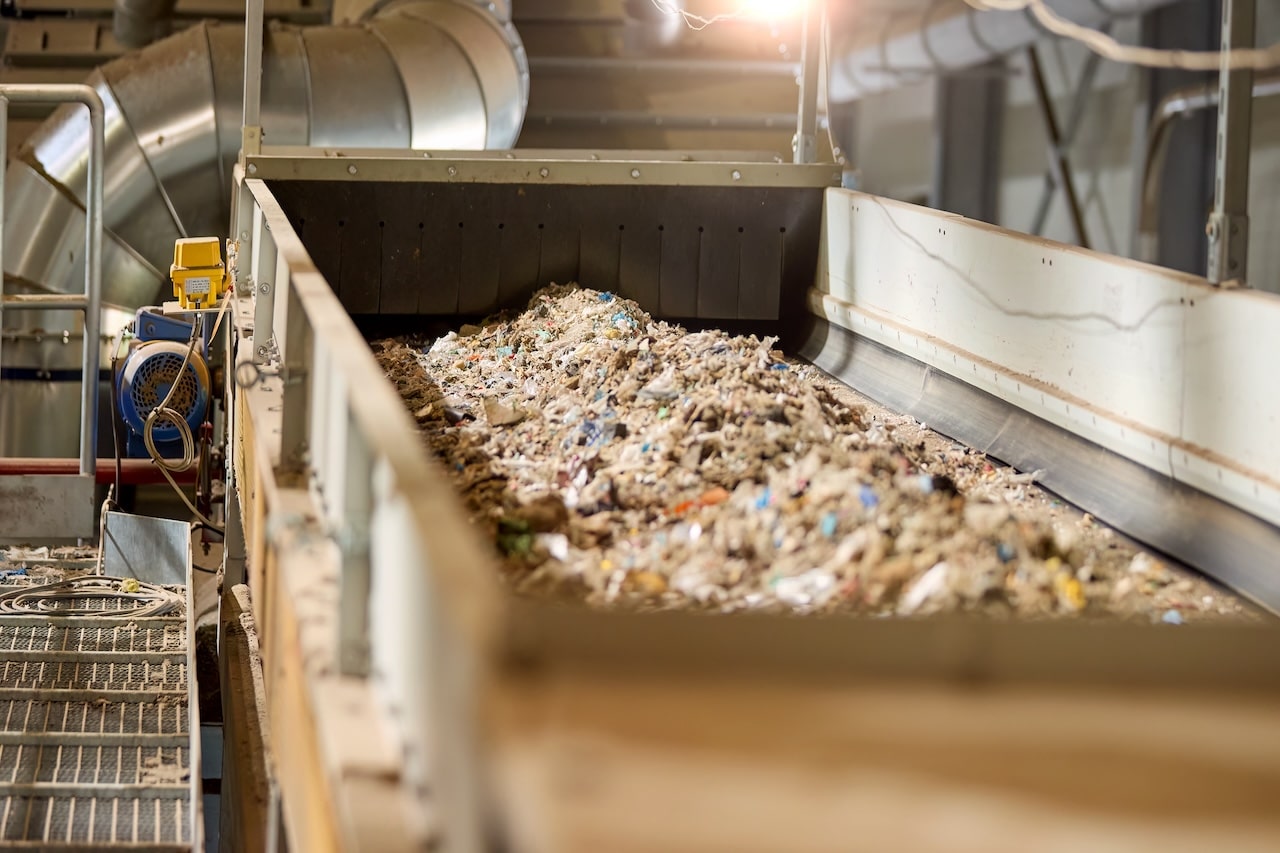
Australia’s carbon crediting framework for the waste sector is undergoing a material overhaul, with the Australian Resources Recovery Council currently remaking the Alternative Waste Treatment (AWT) method under the Australian Carbon Credit Unit (ACCU) scheme. Published reporting from April 2026 confirms that the updated method is being designed to financially incentivise the diversion of mixed solid waste away from landfill, and to directly support the commercial production of fertilisers and biofuels from recovered materials. This is not a minor administrative revision. It represents a structural shift in how waste-derived emissions reductions are recognised, quantified, and rewarded within Australia’s carbon market.
Assistant Federal Minister for Climate Change and Energy, Josh Wilson, has publicly supported the direction of the remake, stating that it is “fantastic to add new ACCU methods to the scheme at the same time as sectors take up the huge potential that exists in remaking older methods to incorporate the latest scientific developments.” That framing is telling. It positions this update not simply as regulatory housekeeping, but as a deliberate strategy to modernise the carbon crediting architecture to reflect advances in waste processing technology and circular economy practice.
For environmental consultants, waste infrastructure planners, ESG advisers, and corporate sustainability leads, this development has direct and immediate commercial relevance. The ability to generate tradeable ACCUs from mixed solid waste diversion fundamentally repositions resource recovery facilities within investment appraisals. Projects that previously struggled to clear financial hurdles on the basis of tipping fees and commodity revenues alone now have an additional, verifiable revenue stream to model. Understanding the mechanics of the new AWT method, and the measurement, reporting and verification requirements that will govern it, is no longer optional for professionals working in this space.
Key Details of the AWT Method Remake and ACCU Scheme Mechanics
The ACCU scheme operates under the Carbon Credits (Carbon Farming Initiative) Act 2011, administered by the Clean Energy Regulator, with method development led by the Department of Climate Change, Energy, the Environment and Water (DCCEEW). Methods under this framework set the rules by which proponents can generate ACCUs, each of which represents one tonne of carbon dioxide equivalent (CO2-e) abated or sequestered. ACCUs are tradeable on the secondary market and can also be sold to the Australian Government through the Safeguard Mechanism or other compliance pathways. The financial value of an ACCU therefore fluctuates with market conditions, but the underlying unit is a standardised, auditable instrument.
The Alternative Waste Treatment method, in its previous iterations, applied to facilities that process mixed solid waste through mechanical and biological treatment processes. The core abatement logic is straightforward: waste diverted from landfill avoids the generation of landfill gas, primarily methane, which is a potent greenhouse gas with a global warming potential approximately 28 times that of carbon dioxide over a 100-year timeframe on a mass basis. When that waste is instead processed into biofuels or stabilised organic materials used as commercial fertiliser, the abatement benefit is two-fold. First, methane generation from landfill decomposition is avoided. Second, the recovered outputs can displace fossil fuel consumption or synthetic fertiliser production, each of which carries its own emissions profile.
A critical issue with previous AWT method iterations is that their abatement accounting and crediting rates did not adequately capture the full value of these downstream benefits, nor did they reflect the improved measurement capabilities now available to the industry. The remake is specifically intended to incorporate the latest scientific developments in emissions quantification, including more precise measurement of biogenic carbon content in waste streams, updated decomposition factors, and revised emission factors aligned with current National Greenhouse and Energy Reporting (NGER) methodology. These technical updates are expected to produce crediting outcomes that more accurately reflect the genuine abatement achieved, and in many cases are anticipated to increase the volume of ACCUs a facility can generate per tonne of waste processed.
For project proponents, the practical implication is that new facility designs and existing facilities seeking re-registration will need to meet the specific measurement, reporting and verification (MRV) requirements embedded in the updated methodology. This will likely require investment in metering infrastructure, waste characterisation sampling protocols, and third-party audit arrangements consistent with the Clean Energy Regulator’s audit framework. Facilities that cannot demonstrate compliance with these MRV requirements will not be eligible to generate ACCUs under the new method, regardless of the physical abatement they achieve.
Australian Context: ACCU Scheme, Safeguard Mechanism, and Circular Economy Policy Alignment
The AWT method remake does not occur in isolation. It sits within a broader policy architecture that includes the reformed Safeguard Mechanism, which since July 2023 has required facilities emitting more than 100,000 tonnes of CO2-e per year to hold Australian Carbon Credit Units or Safeguard Mechanism Credits to cover their net emissions above a declining baseline. This creates a structural demand for ACCUs from large industrial emitters, including cement manufacturers, mining operations, and waste-to-energy facilities that fall above the Safeguard threshold. A well-designed AWT method that generates additional ACCU supply from waste diversion projects therefore feeds dir
References and related sources
- Primary source: wastemanagementreview.com.au
How iEnvi can help
iEnvi provides specialist consulting services relevant to this topic. Our team includes CEnvP Site Contamination Specialists with experience across contaminated land, groundwater, remediation, ecology, and regulatory compliance.
- iEnvi ESG services
- iEnvi contaminated land investigation services
- iEnvi remediation and validation services
- iEnvi expert services and independent review services
This is an iEnvi Machete news summary. Prepared by iEnvi to summarise the source article for contaminated land, groundwater, remediation, approvals and site risk professionals.
Published: 15 Apr 2026
Need advice on this topic? Speak to an iEnvi expert at info@ienvi.com.au or 1300 043 684, or contact us online.
Need advice on this issue? iEnvi provides practical, senior-led environmental consulting across contaminated land, remediation, ecology and environmental risk.
Team credentials Contaminated land services Remediation services Groundwater services Talk to iEnvi