
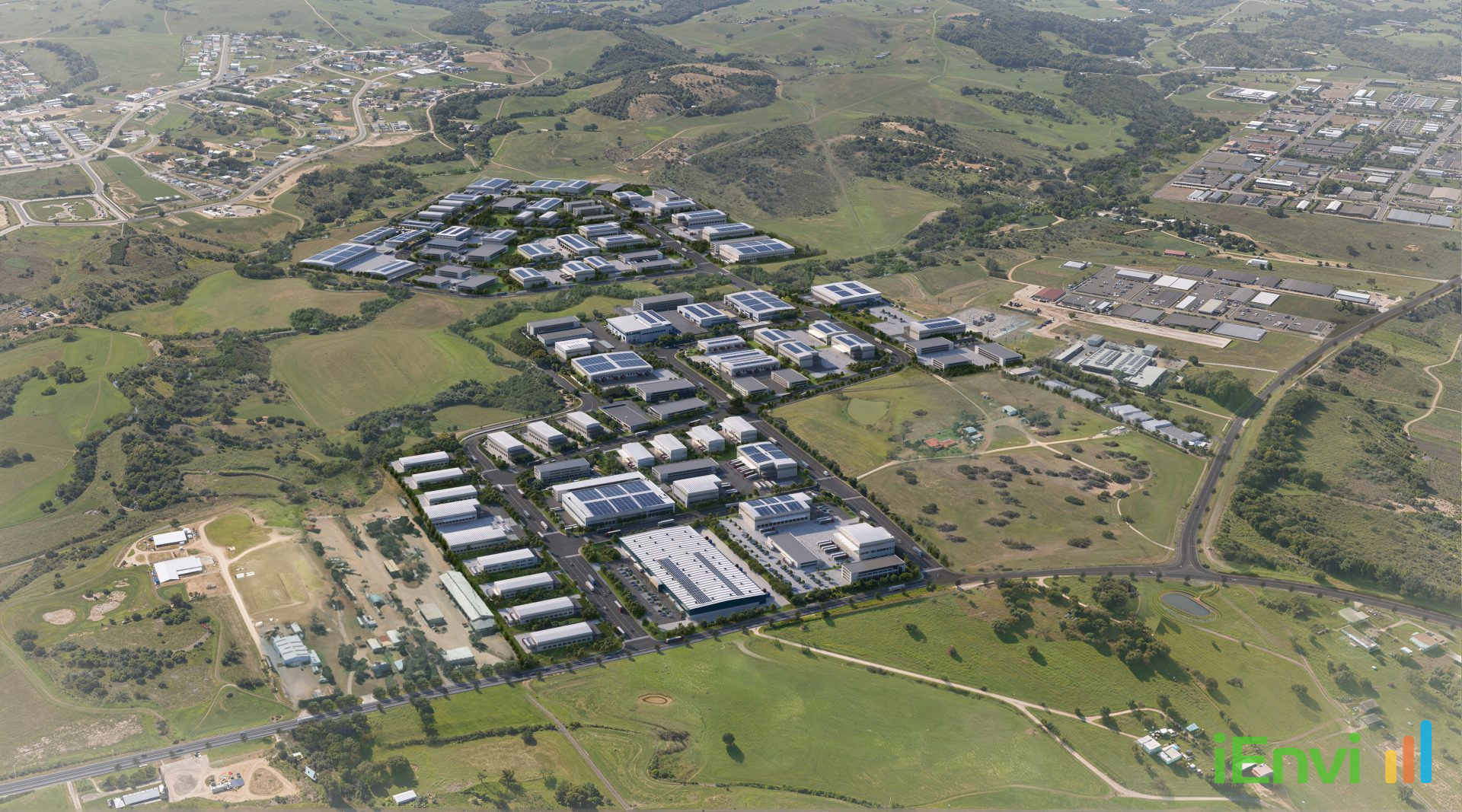
Overview of the Hunter Valley Coal Mine Rezoning Master Plans
The Australian Federal Government and the New South Wales Government, in partnership with Muswellbrook Shire Council and Lake Macquarie City Council, released draft master plans and rezoning proposals in July 2024 to transform two major closing Hunter Valley coal mine sites into clean industrial precincts. The plans are on public exhibition until 11 August 2024 and represent the first large-scale post-mining land transformation blueprint of this kind in the region. The initiative is backed by a $5 million Commonwealth investment and delivers directly on the recommendations of the NSW Government Beneficial and Productive Post-Mining Land Use Parliamentary Inquiry.
The two sites covered by these plans are BHP’s Mt Arthur Coal Mine near Muswellbrook and Glencore’s former Macquarie Coal Complex at Teralba and West Wallsend. Together they encompass more than 2,110 hectares subject to active master planning, set within substantially larger mining lease footprints. The proposals introduce a proposed SP4 (Enterprise) zoning framework and signal a clear regulatory shift away from the historic “return to greenfield” closure philosophy that has governed coal mine rehabilitation in New South Wales for decades.
For environmental professionals, developers, councils, and legal advisors working in the Hunter Valley and across New South Wales more broadly, this initiative is not simply a land-use planning story. It fundamentally changes the scope, methodology, and sequencing of contamination assessment, remediation design, and infrastructure due diligence that will be required before industrial tenants can occupy these sites. Understanding the regulatory architecture underpinning these plans is essential for any practitioner or client with an interest in post-mining land in New South Wales.
Key details of the Hunter Valley post-mining land transformation plans
At BHP’s Mt Arthur Coal Mine, which is scheduled to cease operations in 2030, 950 hectares of the total 5,400-hectare site have been identified for early activation under the proposed SP4 (Enterprise) zoning. This industrial precinct is projected to generate approximately 5,900 jobs across renewable energy, advanced manufacturing, and warehousing sectors. The remaining area of the Mt Arthur lease will be directed toward ecological corridor restoration and agricultural uses, creating a dual-purpose land outcome that is fundamentally different from conventional mine closure rehabilitation programmes.
At Glencore’s former Macquarie Coal Complex, which covers a total of 1,160 hectares at Teralba and West Wallsend, at least 500 hectares have been identified as developable employment land. The plan also designates 36 hectares for new open public space. The site benefits from direct connectivity to the M1 Motorway and the Main Northern Railway, making it strategically positioned for logistics and manufacturing industries that require heavy transport access. These existing infrastructure connections are a central element of the asset-preservation philosophy underpinning both master plans.
A defining feature of both proposals is the deliberate retention and repurposing of existing high-value mining infrastructure. Rail loops, heavy-duty sealed roads, high-voltage electrical connections, and water supply and treatment infrastructure that would traditionally be decommissioned and removed under standard mine closure obligations are instead proposed to be preserved for incoming industrial users. This approach reduces the capital expenditure required to establish new industrial estates and shortens the timeline to productive use, but it introduces significant complexity for environmental assessors who must evaluate the fitness-for-purpose of ageing mining infrastructure within a development context.
The rezoning pathway is being progressed under the Environmental Planning and Assessment Act 1979 (NSW), which provides the statutory framework for State-led rezoning and the implementation of the SP4 (Enterprise) zone. Simultaneously, operators remain bound by rehabilitation and security deposit obligations under the Mining Act 1992 (NSW), creating a concurrent regulatory obligation that must be carefully navigated. The draft plans are open for public submissions until 11 August 2024, providing a window for stakeholders including environmental consultants, landowners, developers, and community groups to formally engage with the proposed frameworks.
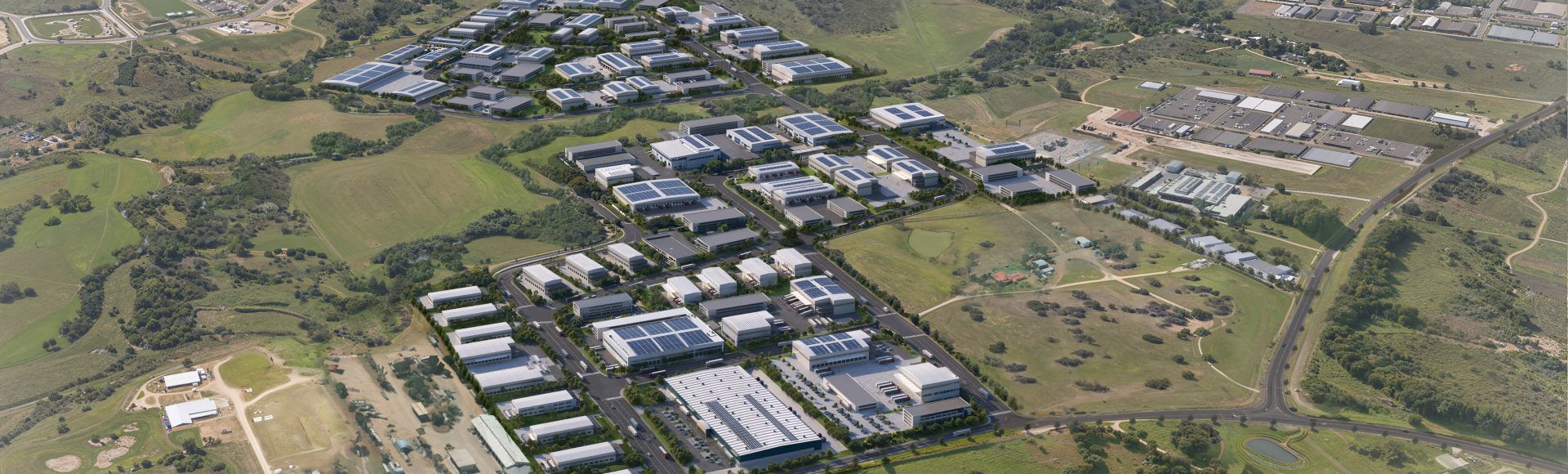
Australian regulatory context for post-mining land rezoning in New South Wales
The regulatory context for these proposals sits at the intersection of several overlapping frameworks. Under the Mining Act 1992 (NSW), mine operators are required to progressively rehabilitate disturbed land and to maintain rehabilitation security deposits calibrated to the estimated cost of completing closure works. Lease relinquishment requires the operator to demonstrate that rehabilitation obligations have been met to the satisfaction of the Department of Primary Industries and Regional Development. These obligations do not disappear under the new master plan framework. Instead, they must be reconciled with a concurrent development approval pathway under the Environmental Planning and Assessment Act 1979 (NSW), creating a dual-track compliance obligation that will require integrated project management and carefully coordinated assessment deliverables.
The NSW Government’s Beneficial and Productive Post-Mining Land Use Parliamentary Inquiry, which these plans directly implement, identified the historic “return to greenfield” rehabilitation requirement as a barrier to productive post-mining outcomes. The inquiry’s recommendations encouraged the NSW Government to establish streamlined pathways for industrial reuse of former mining land where site characteristics and location make such reuse appropriate. The SP4 (Enterprise) zoning mechanism gives effect to those recommendations by creating a purpose-built planning instrument capable of accommodating the unique land-use transition circumstances presented by large-scale coal mine closures.
References and related sources
- Primary source: www.nsw.gov.au
- reneweconomy.com.au
- 16news.com.au
- nsw.gov.au
- 2nurfm.com.au
How iEnvi can help
iEnvi provides specialist consulting services relevant to this topic. Our team includes CEnvP Site Contamination Specialists with experience across contaminated land, groundwater, remediation, ecology, and regulatory compliance.
- iEnvi remediation services
- iEnvi contaminated land investigation services
- iEnvi expert services and independent review services
This is an iEnvi Machete news summary. Prepared by iEnvi to summarise the source article for contaminated land, groundwater, remediation, approvals and site risk professionals.
Published: 15 Jul 2026
Need advice on this topic? Speak to an iEnvi expert at info@ienvi.com.au or 1300 043 684, or contact us online.
Need advice on this issue? iEnvi provides practical, senior-led environmental consulting across contaminated land, remediation, ecology and environmental risk.
Team credentials Contaminated land services Remediation services Groundwater services Talk to iEnvi