

Greenpeace Greenwashing Lawsuit Against Woodside Dismissed
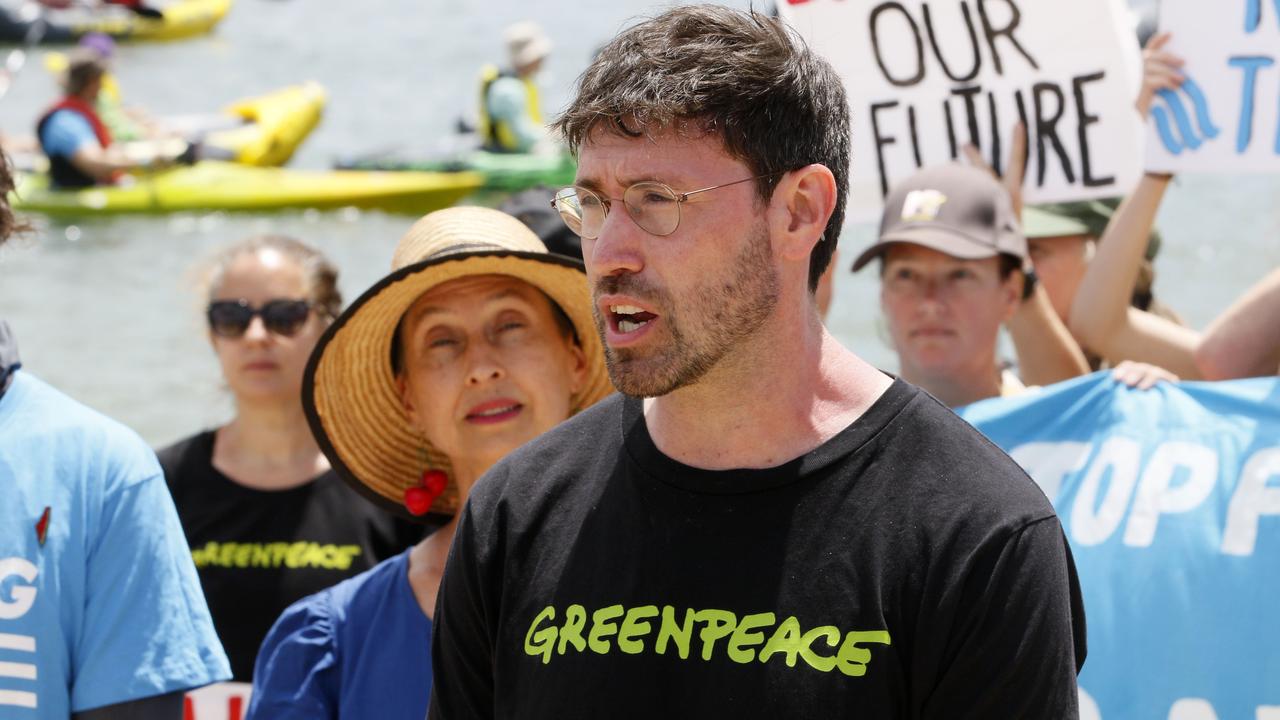
The recent dismissal of the high-profile greenwashing lawsuit brought by Greenpeace Australia Pacific against Woodside Energy in the Federal Court of Australia marks a watershed moment for corporate environmental accountability. Although the litigation was resolved by mutual consent without a final judicial ruling on the merits, the strategic impact of the proceedings resonates across the entire landscape of Australian environmental law, resource development, and corporate governance. For property developers, infrastructure consortia, local councils, and environmental legal advisors, the case serves as a stark warning that corporate sustainability representations are no longer merely marketing exercises, but represent significant legal exposure.
Historically, corporate climate strategies and net zero pledges were viewed primarily through the lens of public relations and voluntary corporate social responsibility. This litigation demonstrates a structural shift toward public interest litigation where non-governmental organisations and activist groups draw upon existing consumer protection and environmental laws to challenge corporate claims. The legal pressure applied during this case has already resulted in visible adjustments to corporate messaging, signalling that the risk of reputational and financial exposure is active long before a court delivers a final judgement.
For environmental consultants and their clients, this development highlights the critical need for absolute precision in how environmental performance, particularly greenhouse gas emissions and carbon abatement strategies, is documented and publicised. As municipal councils increasingly integrate climate change resilience and carbon neutrality targets into planning schemes, and as institutional investors demand rigorous environmental, social, and governance compliance, the methodology behind any sustainability assertion must be legally defensible. This article examines the technical dimensions of the Woodside case, contextualises it within the Australian regulatory framework, and details the practical implications for environmental professionals managing development approvals, transactions, and site assessments.
Scope 3 Emissions and Carbon Offset Challenges under Australian Law
The core of the legal challenge initiated by Greenpeace targeted the veracity of Woodside’s net zero pathway, specifically focusing on the company’s reliance on carbon offsets and the exclusion of indirect emissions. Under the greenhouse gas accounting framework, emissions are classified into three distinct tiers: Scope 1 represents direct operational emissions, Scope 2 represents indirect emissions from purchased electricity, and Scope 3 covers all other indirect emissions occurring across the value chain, both upstream and downstream. In the case of major hydrocarbon producers, Scope 3 emissions, which arise from the transport, processing, and ultimate combustion of the extracted fuels by third parties, represent approximately 90 per cent of the total carbon footprint.
Greenpeace asserted that advertising a net zero by 2050 target while concurrently expanding fossil fuel extraction activities constituted misleading or deceptive conduct under Australian consumer law. The plaintiffs argued that the heavy reliance on voluntary carbon offsets to mitigate Scope 1 and Scope 2 emissions, without a concrete, scientifically validated plan to address the massive volume of Scope 3 emissions, misrepresented the true environmental impact of the company’s business model. This challenge highlighted a fundamental tension in corporate transition planning: the distinction between decarbonising operational processes and continuing to supply high-carbon products to the global market.
During the course of the Federal Court proceedings, notable shifts in the respondent’s public communication strategies were observed. Observers documented the removal of high-profile marketing collateral, including promotional banners proclaiming a commitment to net zero by 2050. This tactical retraction of public claims during active litigation highlights the immediate operational risk associated with defending broad environmental assertions in court. The cost of such litigation is measured not only in legal fees but in the erosion of corporate credibility and the potential disruption to project finance and social licence to operate.
The dismissal of the case by mutual consent means that the Federal Court did not establish a binding legal precedent regarding the specific definitions of net zero or the acceptable limits of offset reliance. However, the litigation has successfully mapped out the legal pathways that future litigants will exploit. The technical arguments raised regarding emissions boundaries, the permanence and additionality of carbon offsets, and the materiality of Scope 3 emissions have now been thoroughly stress-tested in a formal legal environment, providing a detailed template for subsequent challenges against other carbon-intensive projects and developments.
Australian context
To understand the ramifications of this case for local practice, it is necessary to examine how greenhouse gas emissions are monitored and regulated within the Australian statutory framework. The primary legislative instrument for emissions tracking is the National Greenhouse and Energy Reporting Act 2007 (NGER Act). Under this Act, constitutional corporations that meet specific energy consumption or greenhouse gas emission thresholds are legally mandated to report their Scope 1 and Scope 2 emissions to the Clean Energy Regulator. Currently, individual facilities that emit 25 kilotonnes or more of carbon dioxide equivalent, or corporations that emit 50 kilotonnes or more, must comply with these strict reporting guidelines.
Crucially, the NGER Act does not require the mandatory reporting of Scope 3 emissions. This statutory omission has historically shielded Australian companies from mandatory disclosure of their full value-chain emissions, but mounting public pressure, investor scrutiny, and litigation risk are rapidly changing the landscape in which corporate climate claims are made and defended.
References and related sources
- Primary source: michaelwest.com.au
- NEPM Assessment of Site Contamination
How iEnvi can help
iEnvi provides specialist consulting services relevant to this topic. Our team includes CEnvP Site Contamination Specialists with experience across contaminated land, groundwater, remediation, ecology, and regulatory compliance.
- iEnvi ESG services
- iEnvi contaminated land investigation services
- iEnvi remediation and validation services
- iEnvi expert services and independent review services
This is an iEnvi Machete news summary. Prepared by iEnvi to summarise the source article for contaminated land, groundwater, remediation, approvals and site risk professionals.
Published: 17 Jun 2026
Need advice on this topic? Speak to an iEnvi expert at info@ienvi.com.au or 1300 043 684, or contact us online.
Need advice on this issue? iEnvi provides practical, senior-led environmental consulting across contaminated land, remediation, ecology and environmental risk.
Team credentials Contaminated land services Remediation services Groundwater services Talk to iEnvi