
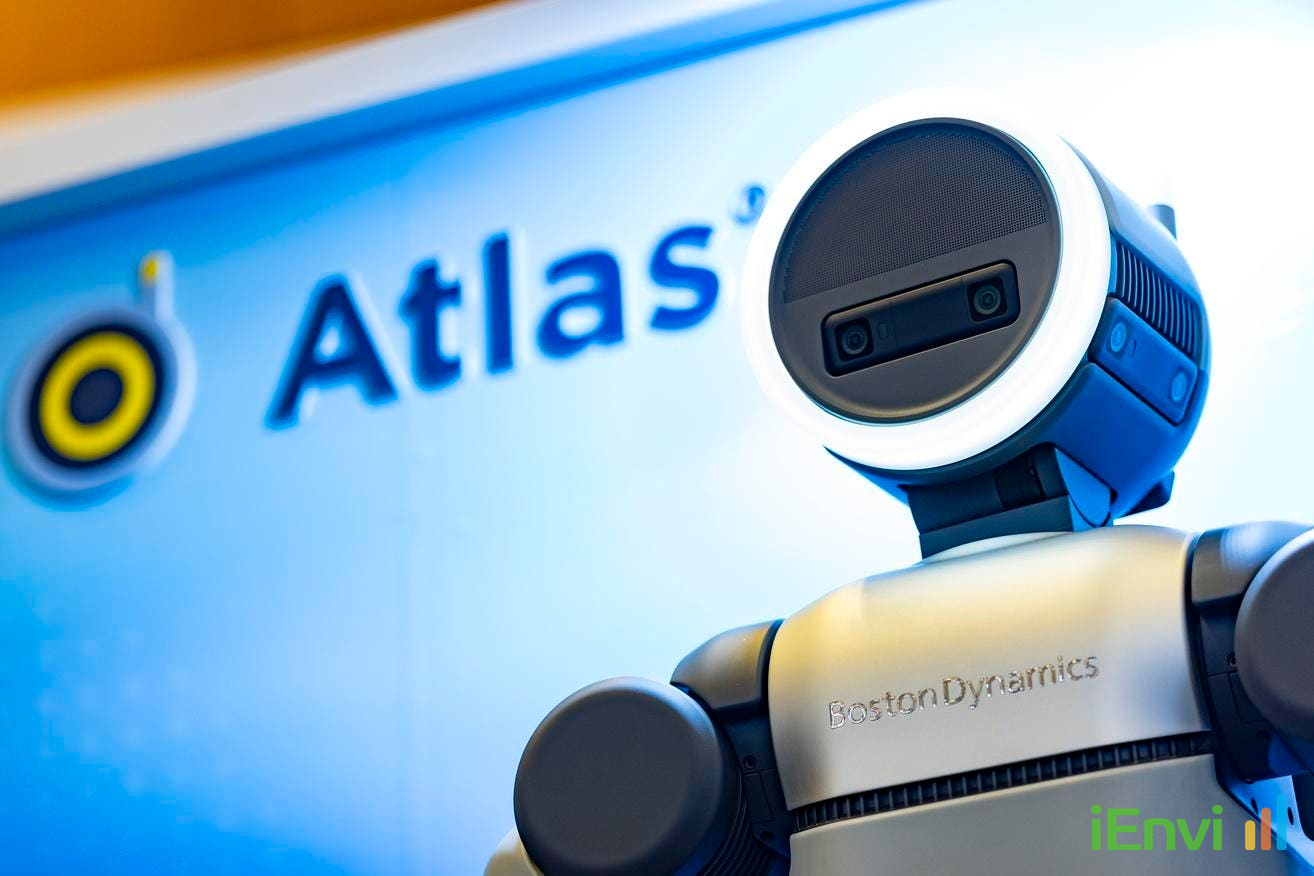
The Hyundai Strike over Boston Dynamics’ Atlas Robot
Between 13 and 15 July 2026, approximately 35,000 union workers at Hyundai Motor Company in South Korea staged a series of rolling, partial strikes in what is now widely recognised as the world’s first industrial action triggered directly by the planned deployment of humanoid robots. The workers, affiliated with the Korean Metal Workers’ Union (KMWU), walked off production lines for two hours per shift across three days. At the centre of the dispute is Hyundai’s plan to introduce Boston Dynamics’ electric Atlas humanoid robots onto its assembly lines, with workers demanding legally binding job protections and formal labour negotiations before a single unit is deployed. The action was reported by Forbes journalist John Koetsier on 17 July 2026.
This is not a dispute about wage theft or unsafe working conditions in the conventional sense. It is a direct confrontation over the future composition of the industrial workforce, and it marks the precise moment that years of theoretical debate about physical AI and humanoid robotics displacing human labour became a hard operational reality. For corporate executives, supply chain managers, and enterprise technology advisors globally, the Hyundai strike signals that purchasing and deploying humanoid hardware is no longer purely an engineering and logistics problem. It is also, unavoidably, a labour relations problem with measurable financial consequences.
For Australian business and professional services firms advising clients on technology adoption, workforce transformation, and operational risk, this development carries direct relevance. The precedent being set in South Korea will inform how unions, regulators, and enterprise leadership approach humanoid and AI-driven automation across every sector that relies on physical labour. The professional services implications, particularly for change management, technology governance, and workforce transition advisory, are substantial and immediate.
Key details of the Hyundai humanoid robot strike
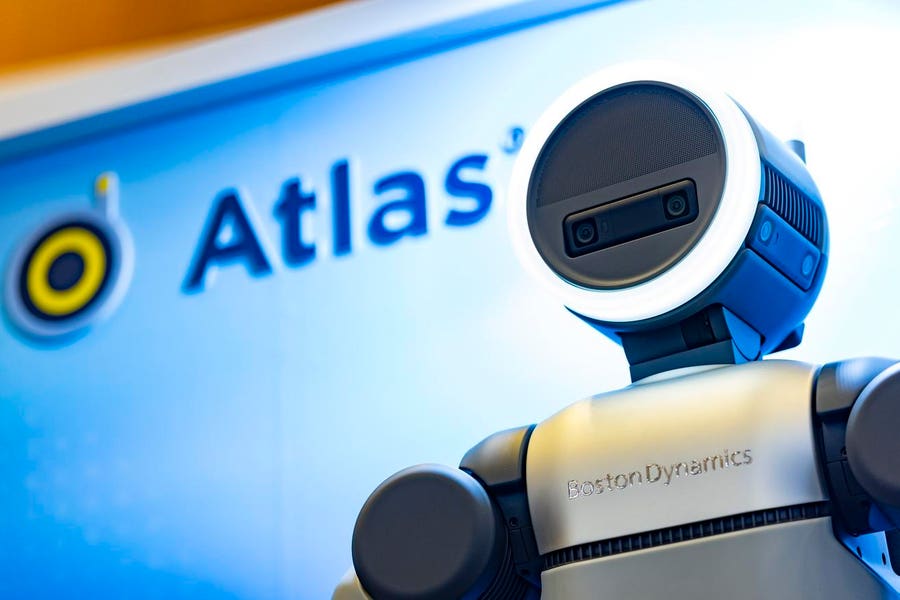
The hardware at the centre of this dispute is the Boston Dynamics Atlas robot, the company’s fully electric humanoid platform. Atlas is engineered to operate in complex industrial environments, performing heavy and repetitive logistics tasks including parts sequencing, material handling, and component transfer. The robot uses AI-driven reinforcement learning to adapt to new factory configurations and tasks without being reprogrammed from scratch for every variation. Unlike earlier industrial robots that are fixed to a single station and function, humanoid platforms like Atlas are designed to work across multiple roles within a facility, which is precisely what makes them a structural threat to broad categories of factory employment rather than just a narrow task category.
Hyundai’s deployment roadmap, as reported, calls for Atlas to be introduced first at its non-unionised Metaplant facility in Georgia in the United States by 2028, initially handling parts-sequencing tasks. The rollout is then scheduled to expand into core component assembly by 2030, before transitioning to global assembly plants including those in South Korea. The union recognised this sequencing strategy: starting at a non-unionised facility overseas before expanding to unionised plants domestically. The KMWU’s response was to pre-emptively demand protections before the technology reaches Korean shores rather than waiting until deployment was imminent.
The union’s specific demands go beyond a blanket rejection of automation. Workers are seeking a structural shift from hourly pay to a fixed salary arrangement, which would prevent management from reducing human shift hours incrementally as robots absorb individual tasks. They are also demanding that the mandatory retirement age be raised from 60 to 65. These two demands together reflect a sophisticated understanding of how automation erodes employment: not necessarily through mass overnight redundancies, but through gradual hour reduction and accelerated attrition of older workers who reach retirement age before retraining programmes can apply to them.
The financial impact of the three-day partial strike was significant. South Korea accounts for nearly half of Hyundai’s total global vehicle output, making it the single most critical node in the company’s production network. The rolling two-hours-per-shift stoppages over three days are estimated to have cost Hyundai up to 200 billion Korean Won, which equates to approximately 150 million US dollars or roughly 230 million Australian dollars at current exchange rates. That figure represents the loss of approximately 5,000 vehicles. For a partial, short-duration industrial action, this is a materially damaging outcome that highlights the production bargaining power unionised workers retain even as automation advances.
Australian context: humanoid robotics, workforce transition, and professional services implications
Australia does not yet have a directly comparable regulatory framework governing the introduction of humanoid robots or physical AI systems into unionised workplaces. However, the Fair Work Act 2009 (Cth) does establish obligations around consultation with employees and their representatives when an employer makes a major workplace change that is likely to have a significant effect on employees. Section 205 of the Act, which applies to enterprise agreements, typically includes consultation clauses requiring employers to notify and discuss with affected workers any decision to introduce major changes in production, programme, organisation, structure, or technology. The Hyundai dispute illustrates what happens when management attempts to plan automation at scale without triggering those consultation obligations early enough in the process.
Australian unions, particularly in manufacturing, logistics, and warehousing, will be watching the KMWU’s actions closely. The dispute establishes a template for pre-emptive union responses to automation announcements, rather than reactive ones following deployment. For professional services firms advising Australian clients on technology adoption and workforce transformation, the key lesson from the Hyundai case is that labour relations strategy must be integrated into automation planning from the earliest stages. Waiting until hardware procurement is finalised before engaging employee representatives is no longer a viable approach, and the financial consequences of getting that sequencing wrong are now quantifiable and significant.
References and related sources
- Primary source: www.forbes.com
- seekingalpha.com
- dealershipguy.com
- inc.com
- techdogs.com
How iEnvi can help
iEnvi integrates technology and data-driven approaches into environmental consulting. We monitor AI and technology developments that affect how environmental professionals deliver services to clients.
This is an iEnvi Machete news summary. Prepared by iEnvi to summarise the source article for environmental professionals tracking AI, data, and technology developments that affect consulting and project delivery.
Published: 18 Jul 2026
Need advice on this topic? Speak to an iEnvi expert at info@ienvi.com.au or 1300 043 684, or contact us online.
Need advice on this issue? iEnvi provides practical, senior-led environmental consulting across contaminated land, remediation, ecology and environmental risk.
Contaminated land advice Remediation services Discuss your site Talk to iEnvi