
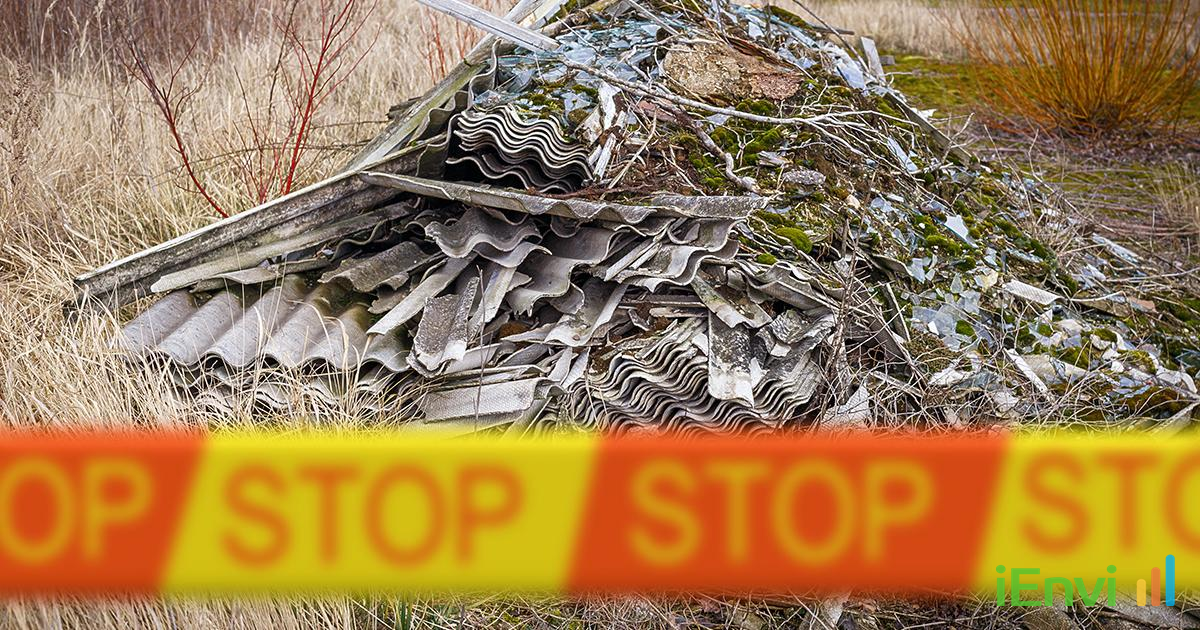
NSW Council EOI Opens for Residential Asbestos Drop-Off Trial
Local Government NSW (LGNSW), working with the NSW Environment Protection Authority (NSW EPA) and SafeWork NSW, has opened a call for Expressions of Interest from NSW councils to trial a residential asbestos waste drop-off programme. The initiative, published on 11 August 2026, invites councils to pilot free or low-cost collection points for small quantities of non-friable bonded asbestos, such as fibro sheeting and asbestos cement products, generated by householders and DIY renovators. The EOI round closes on 10 September 2026, with three-month trials to run across councils during 2026 and 2027.
This matters to environmental professionals because residential bonded asbestos disposal sits at the awkward intersection of household waste behaviour and contaminated land risk. High tip fees and strict acceptance criteria at licensed waste facilities routinely push householders toward kerbside dumping, backyard burial, or mixing fragments into general construction and demolition (C&D) waste. Every one of those pathways eventually becomes a site assessment problem, whether it surfaces during a due diligence investigation, a development site preliminary site investigation (PSI), or a council-managed roadside clean-up.
For developers, councils, planners and legal advisers, this pilot is a practical piece of upstream risk management. It is delivered under Action G7 of the NSW Asbestos Delivery Plan and represents one of the more concrete steps taken in NSW to reduce the volume of illegally disposed bonded asbestos entering soil, fill and public land before it becomes someone else’s remediation liability.
Trial Scope, Timing and Regulatory Framework
The pilot specifically targets non-friable, bonded asbestos, materials such as compressed asbestos cement sheeting where fibres are held firmly within a cement or resin matrix and do not readily release into the air under normal handling. This is a distinct waste category from friable asbestos, which crumbles or can be reduced to powder by hand pressure and carries far higher airborne fibre release risk. The programme is scoped to small volumes typical of a householder replacing a fibro fence panel, removing eaves lining, or undertaking limited internal renovation work themselves, not commercial demolition volumes or friable material, which remain subject to licensed asbestos removalist requirements.
Participating councils will design and run their own three-month trial within the 2026 to 2027 window, giving each local government area flexibility to test drop-off frequency, site location, quantity limits and cost settings against local demand. LGNSW, NSW EPA and SafeWork NSW are positioned as the supporting agencies, meaning councils will need to align trial design with existing state guidance on asbestos handling, transport and disposal rather than developing bespoke protocols from scratch.
The regulatory backbone for the trial sits across several instruments. The Protection of the Environment Operations Act 1997 (NSW) and the POEO (Waste) Regulation 2014 govern the classification, transport and lawful disposal of asbestos waste in NSW, including licensing requirements for waste facilities accepting asbestos-containing material. The Work Health and Safety Regulation 2017 (NSW), specifically Chapter 8 dealing with asbestos, sets the workplace exposure and handling standards that inform how council drop-off points must be operated to protect staff and residents. For environmental practitioners assessing legacy contamination, NEPM 2013 Schedule B1 remains the operative guideline for asbestos in soil, and it is this schedule that gets triggered most often when illegally dumped bonded fragments are later identified during a site investigation.
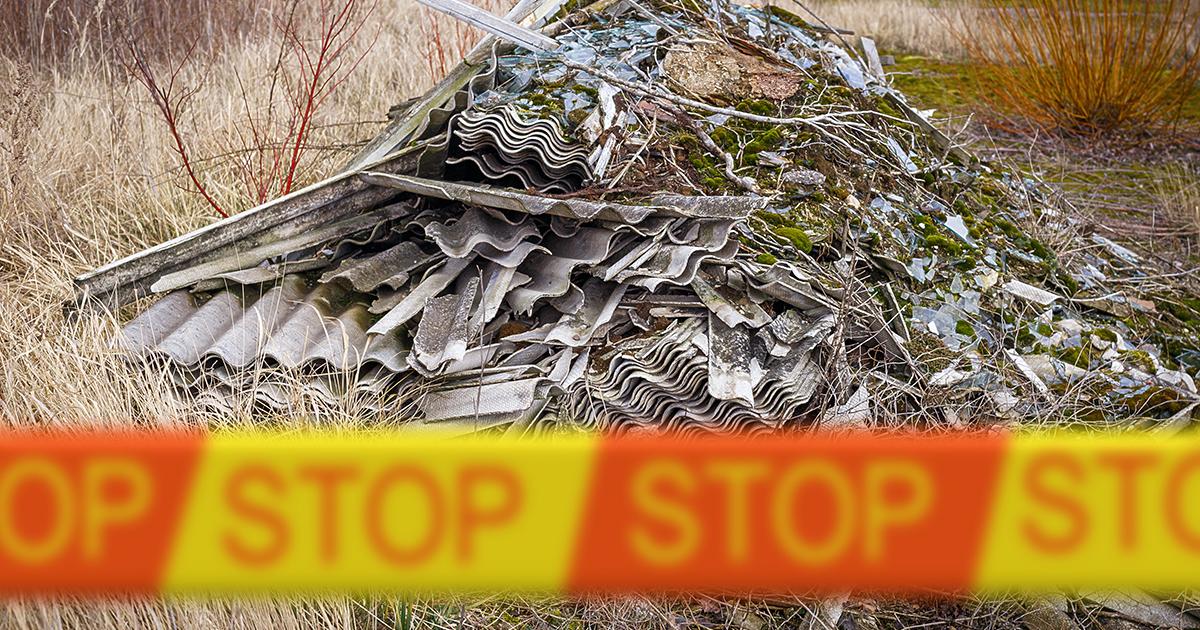
A key operational detail is that bonded asbestos degrades physically over time when exposed to weathering, vehicle traffic, or repeated handling on kerbsides and public land. Fragments break down into smaller pieces that are harder to visually identify and collect completely during remediation, which increases the sampling density and analytical effort required to properly characterise a site under Schedule B1. This physical degradation pathway is the practical reason why unlawful disposal, even of nominally low-risk bonded material, generates disproportionate downstream assessment cost.
NEPM 2013 and NSW asbestos waste regulation implications
For NSW practitioners, this pilot connects directly to the asbestos in soil assessment framework under NEPM 2013 Schedule B1, which sets the investigation levels and reporting triggers used in preliminary and detailed site investigations across the state. Illegally dumped bonded asbestos is one of the most common causes of unexpected asbestos detections during PSI and DSI works on residential and mixed-use redevelopment sites, particularly on older allotments where fibro fencing, garden edging or backyard debris has been buried or scattered over decades.
The trial also sits alongside existing NSW EPA guidance on asbestos waste disposal and the licensing regime under the POEO (Waste) Regulation 2014, which already requires waste facilities to hold appropriate authority to accept asbestos-containing material. What this pilot changes is accessibility, not the underlying legal framework. Councils participating in the trial are not being asked to alter classification or handling standards, they are being asked to lower the practical and financial barriers that currently push householders toward non-compliant disposal.
Other Australian jurisdictions run comparable low-barrier disposal schemes, and NSW councils considering an EOI submission would benefit from reviewing how similar programmes elsewhere have balanced quantity limits, cost recovery and public safety at collection points. The trial’s outcomes, expected through 2026 and 2027, will likely inform whether a permanent, state-funded residential asbestos drop-off scheme is rolled out across NSW.
References and related sources
- Primary source: lgnsw.org.au
- lgnsw.org.au
- insurancebusinessmag.com
- nsw.gov.au
- NSW EPA
How iEnvi can help
iEnvi provides specialist consulting services relevant to this topic. Our team includes CEnvP Site Contamination Specialists with experience across contaminated land, groundwater, remediation, ecology, and regulatory compliance.
- iEnvi remediation services
- iEnvi asbestos services
- iEnvi contaminated land investigation services
- iEnvi expert services and independent review services
This is an iEnvi Machete news summary. Prepared by iEnvi to summarise the source article for contaminated land, groundwater, remediation, approvals and site risk professionals.
Published: 15 Aug 2026
Need advice on this topic? Speak to an iEnvi expert at info@ienvi.com.au or 1300 043 684, or contact us online.
Need advice on this issue? iEnvi provides practical, senior-led environmental consulting across contaminated land, remediation, ecology and environmental risk.
PSI services DSI services Team credentials Contaminated land services Talk to iEnvi