
Overview of the LG–NVIDIA humanoid robot partnership
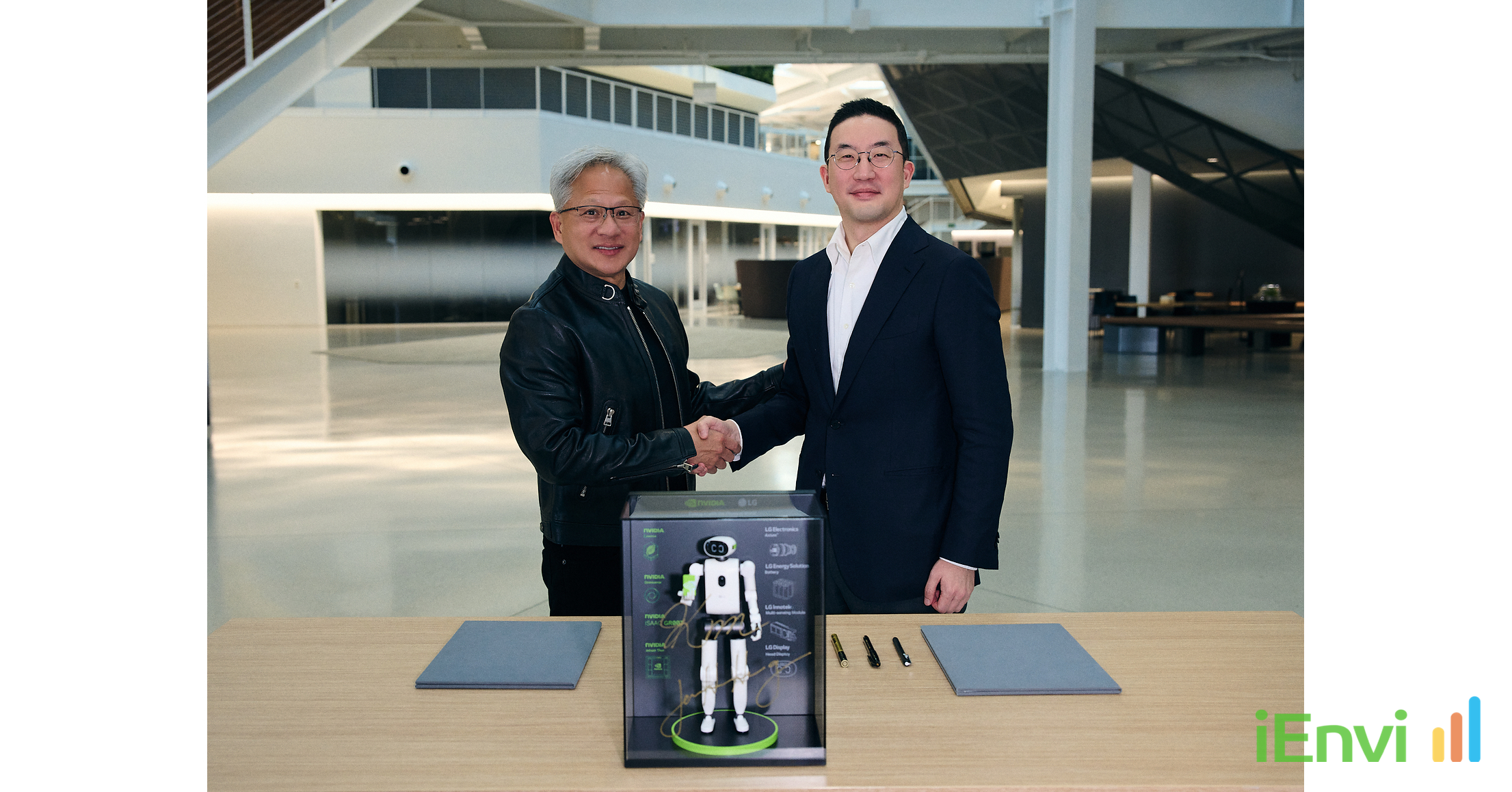
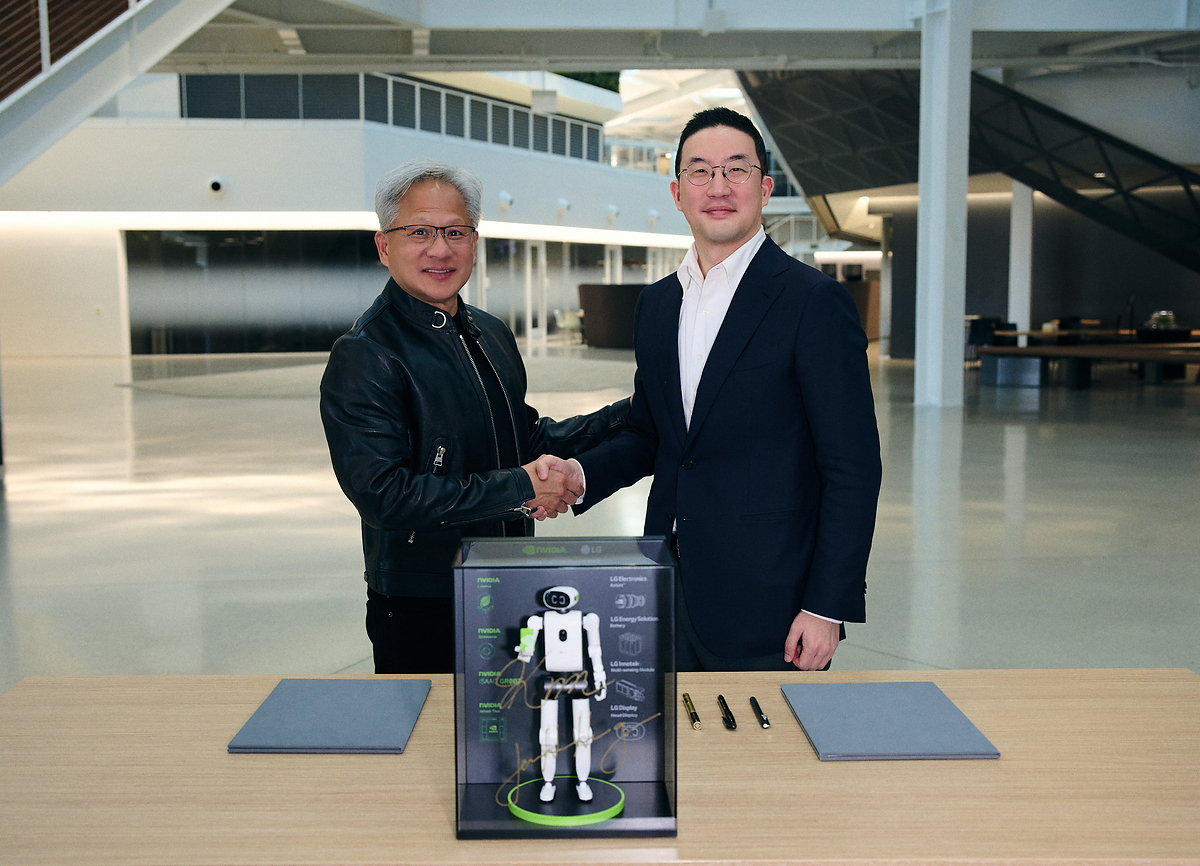
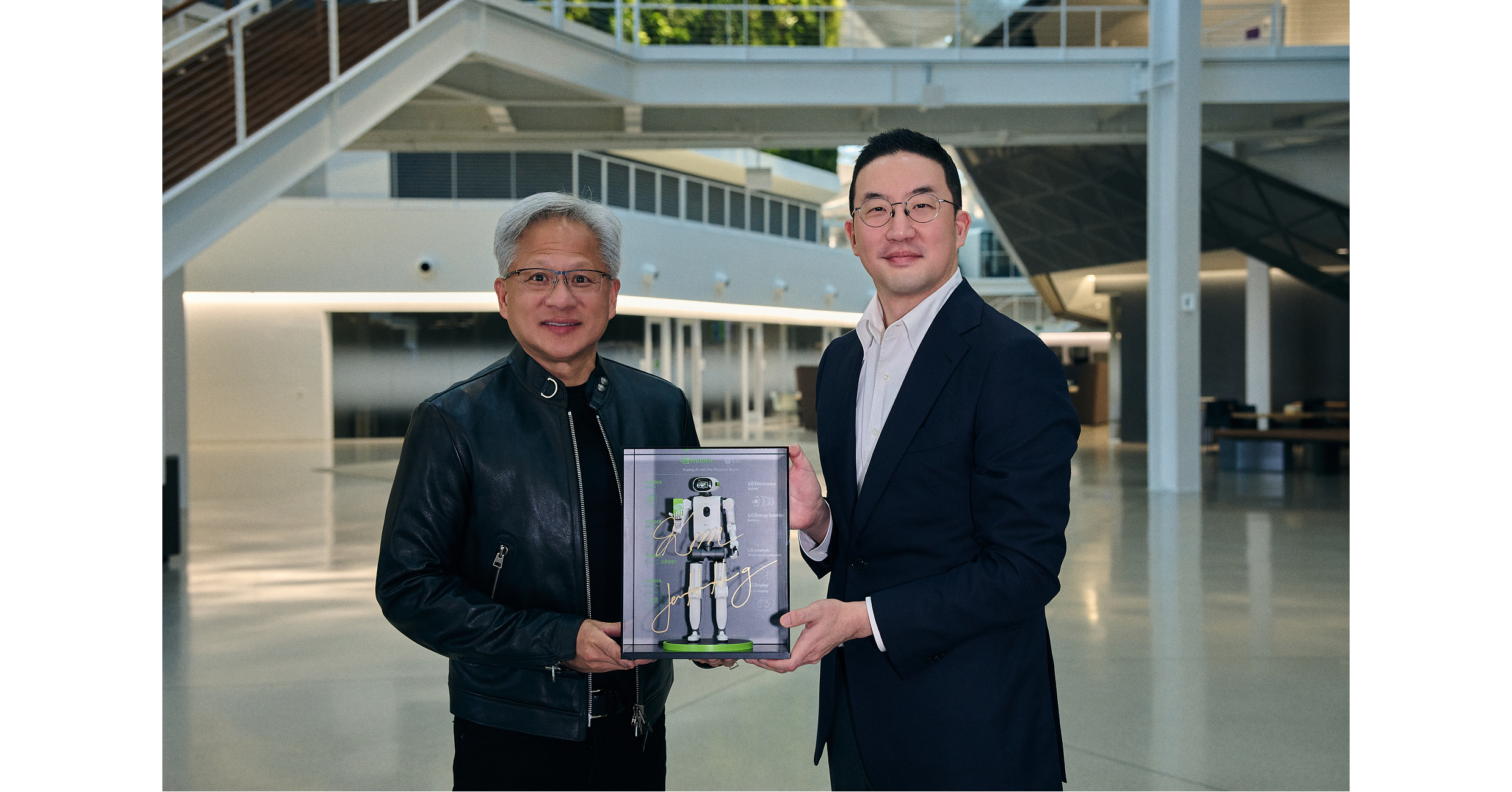
LG Corporation and NVIDIA have signed a multi-year strategic partnership to develop a next-generation bipedal humanoid robot, with a public unveiling targeted for the first quarter of 2027. The agreement was signed by LG Chairman and CEO Kwang Mo Koo and NVIDIA CEO Jensen Huang at NVIDIA’s Santa Clara headquarters on 14 August 2026. The robot will run on NVIDIA’s Isaac GR00T open humanoid foundation model and the Jetson Thor onboard computing platform, marking one of the clearest signals yet that large industrial conglomerates are choosing to build on established chipmaker AI platforms rather than developing proprietary robotics stacks from scratch.
For Australian environmental professionals, this development sits outside the usual regulatory and site assessment news cycle, but it matters because it establishes a dated, named commercial pathway for physical AI moving out of pilot programmes and into manufacturing deployment. Consultants advising clients with manufacturing, logistics or heavy industry operations should understand that the “physical AI” category is now backed by concrete hardware, a named foundation model, and a public delivery date, not just a roadmap slide.
The partnership also matters for professional services firms more broadly, including environmental consultancies, because it demonstrates how quickly foundation model providers are being embedded into physical infrastructure decisions. Where robotics and automated field equipment eventually intersect with site work, whether that is inspection, monitoring or hazardous area access, the underlying technology stack described in this announcement is likely to be the one that gets deployed first at scale.
Key details of the Isaac GR00T bipedal robot agreement
Under the agreement, LG’s bipedal humanoid robot will use NVIDIA Jetson Thor for real-time onboard reasoning and control, meaning spatial awareness and decision-making occur on the machine itself rather than relying on cloud round-trips. The embodied intelligence layer is built on NVIDIA Isaac GR00T, described as an open humanoid foundation model, with safety governance provided through NVIDIA Halos for Robotics.
LG is drawing on what the companies describe as a “One LG” integration approach, combining components from across the group’s subsidiaries. LG Electronics is supplying actuators, LG Innotek is providing optical sensors, and LG Energy Solution is contributing high-density battery cells. This vertical integration across LG’s own supply chain is a deliberate strategy to control hardware quality and cost rather than sourcing components from third-party robotics suppliers.
Ahead of the 2027 bipedal unveiling, LG Electronics will deploy wheel-based CLOiD industrial robots to its washing machine manufacturing line in Tennessee, United States, in late 2026. This deployment is explicitly framed as a proving ground to capture real operational workflow data before the more complex bipedal platform is introduced. On the data and infrastructure side, LG CNS will operate the PhysicalWorks platform for on-site physical AI data collection and synthetic data simulation, while LG and NVIDIA will jointly build AI factory reference sites using the NVIDIA DSX platform and Vera Rubin architecture.
Jensen Huang framed the collaboration in terms of physical AI’s broader purpose, stating that “the defining opportunity of physical AI is to give every machine the ability to understand the real world, reason and act safely alongside people, reshaping everyday life from the home and factory floor to the road.” The timeline disclosed publicly runs from the CLOiD deployment in late 2026 through to the bipedal humanoid unveiling in the first quarter of 2027, giving practitioners and analysts a concrete window to track rather than an open-ended development horizon.
What the LG–NVIDIA deal means for Australian industry
Since this is a technology and industrial partnership rather than an environmental regulatory development, its relevance to Australian practice sits in business and professional services planning rather than in specific legislative frameworks. Australian manufacturers, logistics operators and mining services companies watching automation trends should note that this deal represents a template other conglomerates are likely to follow: pairing heavy industry hardware capability with a chipmaker’s foundation model and edge compute platform, rather than each company building its own AI stack in-house.
For Australian professional services firms, including engineering, environmental and technical consultancies, the practical takeaway is procurement and workforce planning. If physical AI platforms of this kind reach commercial maturity on the stated 2027 timeline, Australian clients operating manufacturing or logistics facilities may begin fielding vendor pitches for similar integrated hardware and foundation model packages well before local regulatory or workplace health and safety frameworks have caught up with autonomous machine deployment on operational sites.
There is no indication in the source material that this partnership currently extends to environmental monitoring, contaminated site work, or field data collection for regulatory purposes. Any application of this technology stack to those areas would be a future development, not a current capability, and Australian practitioners should treat vendor claims about broader applicability with appropriate caution until field performance data is publicly available.
Practical implications for businesses and advisers
Businesses assessing this development should separate announced intent from proven capability. The agreement establishes a dated commercial pathway, but the CLOiD deployment in Tennessee is described as a workflow-capture exercise, not a fully autonomous production line, and the bipedal humanoid remains a 2027 target rather than a delivered product. Procurement teams and technical advisers should build vendor due diligence around demonstrated field performance rather than announcement timelines, and should treat any published results from the Tennessee deployment as the first meaningful evidence of real-world capability.
For now, the sensible course for Australian firms is to monitor the late 2026 CLOiD rollout and the first-quarter 2027 unveiling as fixed checkpoints. If those milestones are met, the case for factoring physical AI into medium-term operational and workforce planning strengthens considerably. If they slip, that delay itself will be useful information about how far the physical AI category still has to travel before it reaches operational sites.
References and related sources
- Primary source: www.prnewswire.com
- techedt.com
- gsmarena.com
- https://www.prnewswire.com/news-releases/lg-to-unveil-its-next-gen-humanoid-robo
How iEnvi can help
iEnvi integrates technology and data-driven approaches into environmental consulting. We monitor AI and technology developments that affect how environmental professionals deliver services to clients.
This is an iEnvi Machete news summary. Prepared by iEnvi to summarise the source article for environmental professionals tracking AI, data, and technology developments that affect consulting and project delivery.
Published: 15 Aug 2026
Need advice on this topic? Speak to an iEnvi expert at info@ienvi.com.au or 1300 043 684, or contact us online.
Need advice on this issue? iEnvi provides practical, senior-led environmental consulting across contaminated land, remediation, ecology and environmental risk.
Contaminated site assessment Environmental due diligence Talk to iEnvi