
Overview
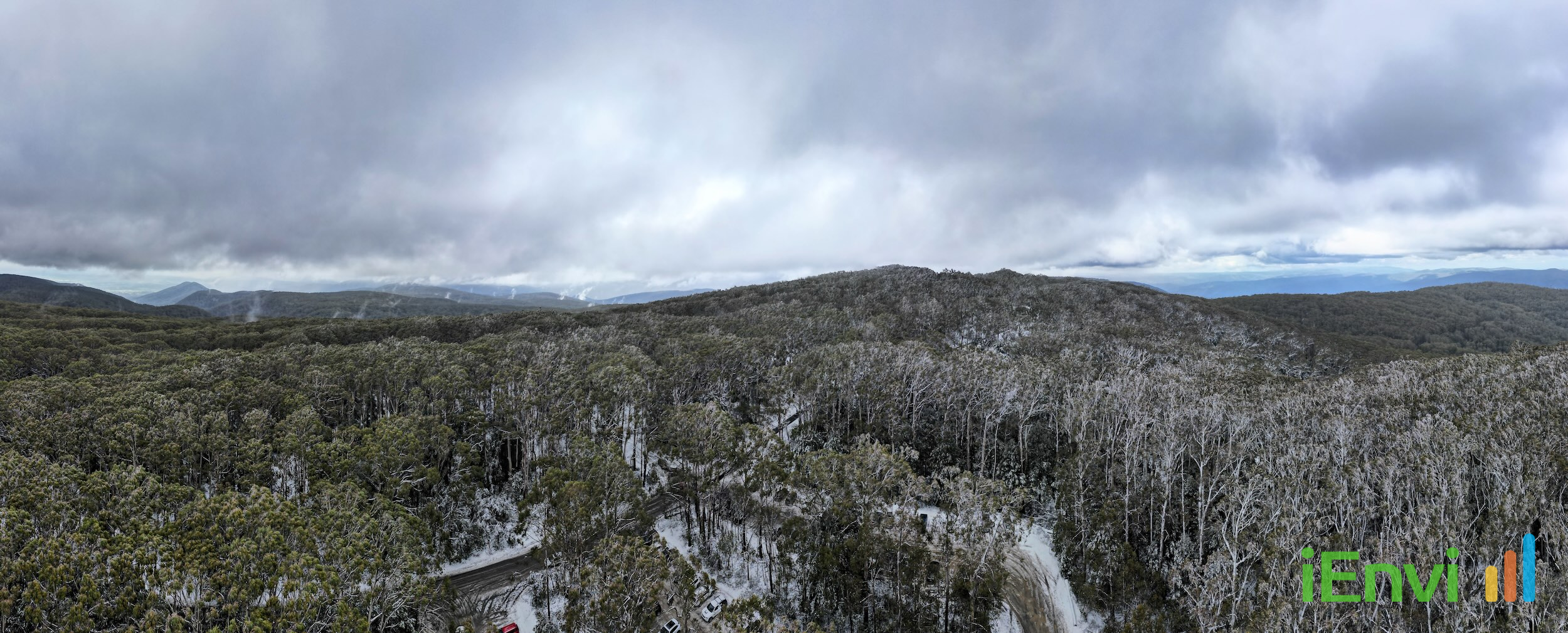
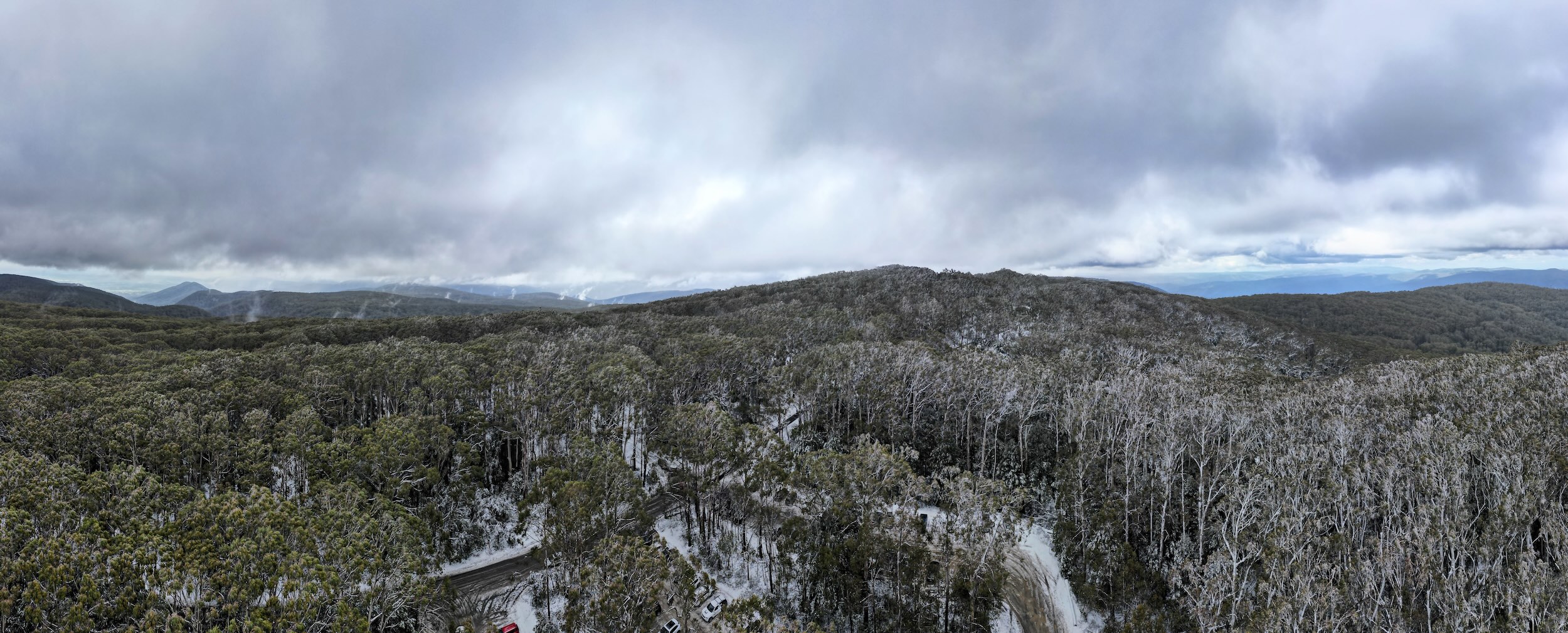
The Australian Government has formally listed mainland alpine ash forests as an endangered ecological community under the Environment Protection and Biodiversity Conservation Act 1999 (Cth), effective 16 April 2026. The listing covers high-elevation forests dominated by Eucalyptus delegatensis across Victoria, New South Wales, and the Australian Capital Territory. For environmental consultants, planners, developers, and legal practitioners working in or near alpine regions, this decision fundamentally changes the regulatory landscape and the cost and complexity of securing approvals for any activity with potential impacts on these forests.
The Department of Climate Change, Energy, the Environment and Water (DCCEEW) confirmed that the listing was not triggered by a reduction in the geographic extent of the community, which distinguishes it from many previous threatened ecological community listings. Instead, the driver is a structural crisis within the ecosystem itself. Repeated and increasingly severe fire intervals have prevented the forests from reaching the biological thresholds necessary for natural regeneration, leaving the community in a state of functional collapse even where individual trees remain standing across a nominally similar footprint. This framing has direct consequences for how assessments must characterise and evaluate project impacts.
The National Threatened Species Scientific Committee reviewed the available evidence and recommended the listing on the basis of continuing decline in ecological condition. The decision sets a significant precedent for how fire-mediated structural decline, rather than land clearing or direct habitat loss, can qualify an ecological community for listing under the EPBC Act. Environmental professionals should treat this as a signal that the assessment criteria for threatened ecological communities are evolving in ways that require updated methodologies and far earlier engagement with ecology at the project feasibility stage.
Key details of the alpine ash endangered ecological community listing
The scale of recent loss within this ecological community is substantial. More than 80,000 hectares of mainland alpine ash forest were destroyed or severely damaged during the 2019 to 2020 bushfire season. That single event, compounded by previous fire events over the preceding decades, has left the structural integrity of the community in a critically compromised state. The DCCEEW has confirmed that more than half of the ecological community is now structurally immature and incapable of natural regeneration under current fire return intervals.
The biological basis for this concern centres on the reproductive biology of Eucalyptus delegatensis. Alpine ash is an obligate seeder, meaning it does not resprout from its base or bark after fire, unlike many other eucalypt species. It relies entirely on seed stored in canopy-held capsules for post-fire regeneration. Critically, alpine ash trees only reach reproductive maturity at approximately 20 years of age, at which point they begin producing viable seed in meaningful quantities. When a fire burns through a stand that has not yet reached 20 years of age, there is no seed bank available to drive recovery. The result is either a failed regeneration event or a shift to a structurally different vegetation community. Successive fire events occurring at intervals shorter than 20 years therefore have a compounding and potentially irreversible effect on the community’s capacity to persist.
The listing documentation establishes a clear assessment hierarchy for proponents under the EPBC Act framework. Avoidance of impact is the primary requirement. Where avoidance is demonstrated to be genuinely impractical, proponents must then fully mitigate unavoidable impacts before seeking to offset residual harm. However, and this is the critical departure from standard practice for many project types, simple equivalence offsetting is no longer sufficient. Proponents must now demonstrate a net gain outcome through their offset package, meaning the ecological benefits delivered by the offsets must tangibly outweigh the harm caused by the project. This is a materially higher standard than offset equivalence, and it applies specifically because the community has been listed as endangered, not merely vulnerable.
Finding suitable offsets for this community presents an acute practical problem. The pool of land supporting mainland alpine ash forest is geographically restricted to high-elevation areas in three jurisdictions. A substantial proportion of that land is already within national parks or reserves and is therefore unavailable as offset area. Of the remaining private or leasehold land that could theoretically support offset arrangements, much of it is currently in a state of structural immaturity following recent fires. An offset site in a structurally immature state does not satisfy net gain criteria, because it cannot demonstrate an improvement in condition relative to the impacted site. Consultants will need to identify offset sites that are structurally mature, under active threat from fire, and capable of being secured through legally binding offset agreements, a combination that is rare in the current landscape.
Australian context: EPBC Act threatened ecological communities and alpine assessment frameworks
Under the EPBC Act, a listed threatened ecological community triggers a referral obligation for any action that is likely to have a significant impact on the community. Practitioners should note that the significance threshold does not require certainty of impact. The Significant Impact Guidelines issued under the EPBC Act provide a framework for assessing likelihood, and the precautionary principle applies where uncertainty exists. With this new listing, any project in high-elevation Victoria, [ARTICLE INCOMPLETE]
References and related sources
- Primary source: news.mongabay.com
- climateandeconomy.com
- EPBC Act
How iEnvi can help
iEnvi provides specialist consulting services relevant to this topic. Our team includes CEnvP Site Contamination Specialists with experience across contaminated land, groundwater, remediation, ecology, and regulatory compliance.
- iEnvi contaminated land investigation services
- iEnvi remediation and validation services
- iEnvi expert services and independent review services
This is an iEnvi Machete news summary. Prepared by iEnvi to summarise the source article for contaminated land, groundwater, remediation, approvals and site risk professionals.
Published: 20 Apr 2026
Need advice on this topic? Speak to an iEnvi expert at info@ienvi.com.au or 1300 043 684, or contact us online.
Need advice on this issue? iEnvi provides practical, senior-led environmental consulting across contaminated land, remediation, ecology and environmental risk.
Team credentials Contaminated land services Remediation services Groundwater services Talk to iEnvi