
Overview
The international MAR2PROTECT consortium has presented its M-AI-R Decision Support System at the TIAC 2026 symposium, demonstrating how machine learning and continuous sensor networks can provide real-time contamination prediction for Managed Aquifer Recharge (MAR) schemes. The system integrates predictive algorithms with live water quality monitoring to identify contamination trends before regulatory thresholds are breached, offering a significant advance over traditional grab-sampling approaches for protecting receiving aquifers during recharge operations.
Key details
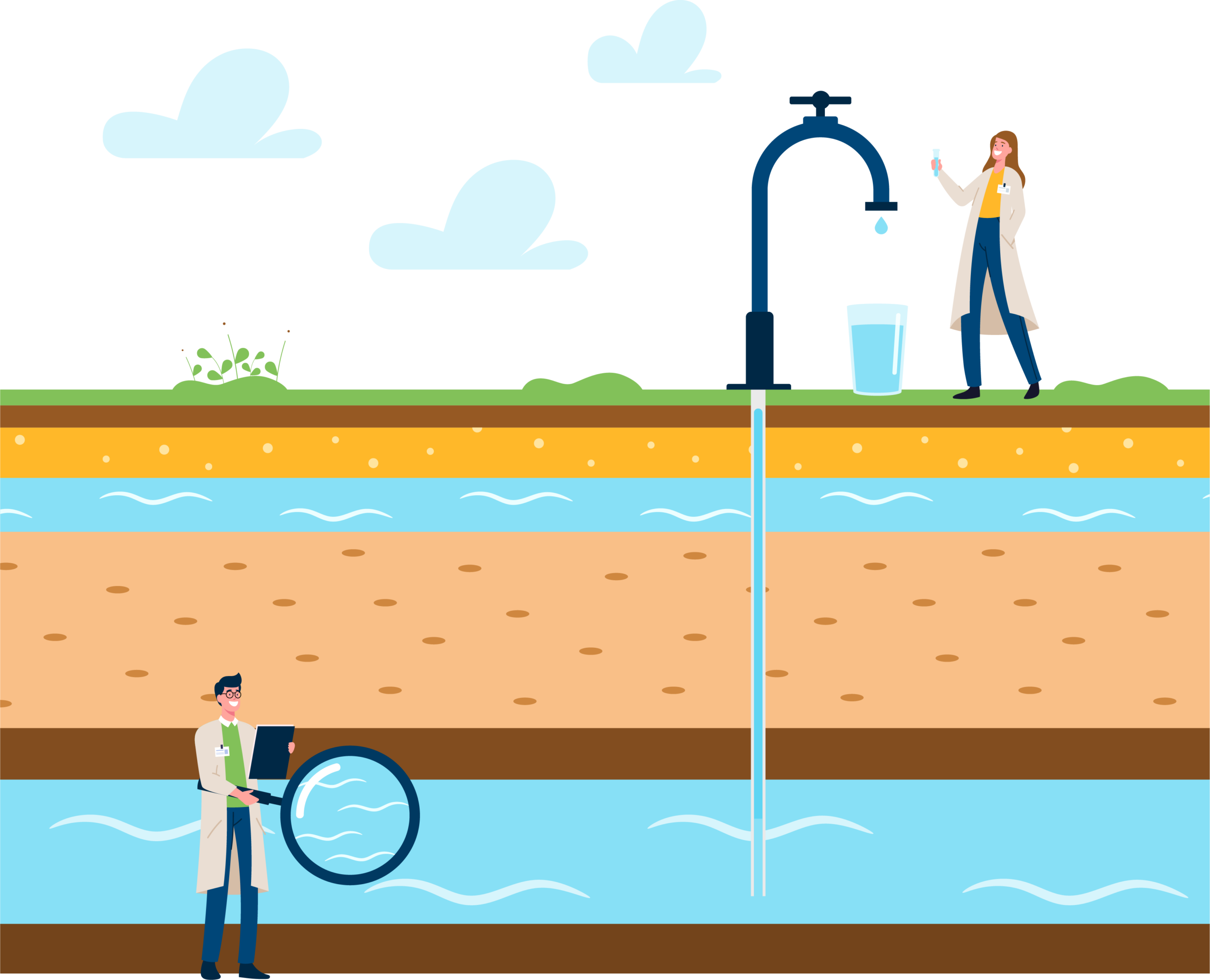
Managed Aquifer Recharge involves the intentional injection or infiltration of water into aquifer systems for later recovery or to augment groundwater supplies. MAR is used globally to address water scarcity, manage stormwater, and provide drought resilience. However, MAR schemes carry inherent risk: if the source water quality degrades unexpectedly, contaminants can be introduced directly into the receiving aquifer, potentially compromising drinking water supplies and environmental values.
Traditional monitoring of MAR schemes relies on scheduled grab samples collected at predetermined intervals. This approach creates blind spots. Contamination spikes caused by heavy rainfall, industrial runoff events, or upstream incidents can occur between sampling rounds and go undetected until the next scheduled collection. By that point, contaminants may have already migrated into the aquifer.
The M-AI-R Decision Support System addresses this gap by combining continuous sensor feeds with machine learning algorithms trained on historical water quality data. The system identifies patterns and trends that indicate emerging contamination risks, providing early warning to operators. This allows MAR scheme operators to halt or modify recharge activities before contaminants enter the aquifer, rather than reacting after the fact.
The predictive modelling capability also supports long-term planning. By analysing correlations between weather events, land use changes, and water quality fluctuations, the system can forecast periods of elevated risk and recommend adjusted recharge schedules or enhanced pre-treatment measures.
Australian context
Australia has one of the most developed MAR sectors in the world. Significant schemes operate in South Australia, Western Australia, Victoria, and Queensland, supporting urban water supply, agricultural irrigation, and environmental flow management. The Australian Guidelines for Water Recycling: Managed Aquifer Recharge, published under the National Water Quality Management Strategy, set rigorous requirements for source water quality, aquifer characterisation, and ongoing monitoring.
Under these guidelines, MAR proponents must demonstrate that recharge operations will not compromise the environmental values of the receiving aquifer. This requires detailed hydrogeological modelling, water quality risk assessment, and an ongoing monitoring program. State-specific frameworks add further requirements. The NSW Aquifer Interference Policy, for example, requires proponents to assess impacts on connected surface water systems and neighbouring bore users. Victoria’s Environmental Reference Standards for groundwater set chemical thresholds that must not be exceeded.
The challenge for many Australian MAR operators is that climate variability and urban development are changing source water quality profiles. Increasingly intense rainfall events mobilise sediments and pollutants from urban catchments, creating contamination spikes that traditional monitoring programs may not capture. The M-AI-R approach, with its continuous monitoring and predictive capability, offers a potential solution for Australian operators seeking to maintain compliance under changing conditions.
Practical implications
Groundwater specialists and environmental consultants should consider the following:
- MAR scheme designs should evaluate the feasibility of integrating continuous water quality sensors and real-time data platforms as part of the monitoring framework, supplementing rather than replacing scheduled grab sampling.
- Predictive modelling using machine learning can strengthen regulatory approval applications by demonstrating a proactive approach to contamination risk management.
- Existing MAR schemes undergoing review or renewal should assess whether current monitoring programs are adequate to detect contamination events associated with changing land use and climate patterns in their source catchments.
- The M-AI-R framework provides a model for how Australian guidelines may evolve, with regulators potentially requiring real-time monitoring and predictive analytics as standard practice for new MAR approvals.
- Consultants preparing conceptual site models for MAR schemes should consider how machine learning tools can enhance the identification of contamination pathways and improve the accuracy of fate and transport modelling.
References and related sources
- MAR2PROTECT: M-AI-R Decision Support System (primary source)
- iEnvi LinkedIn discussion on this topic
How iEnvi can help
iEnvi provides specialist groundwater and hydrogeological consulting services, including support for Managed Aquifer Recharge scheme design, monitoring, and regulatory compliance. Our team can assist with aquifer characterisation, water quality risk assessment, and the development of monitoring programs that incorporate emerging technologies.
Our relevant services include contaminated land and groundwater assessment for MAR sites, remediation support for aquifer systems impacted by contamination, and expert witness services for groundwater-related disputes.
This is an iEnvi Machete news summary. Prepared by iEnvi to summarise the source article for contaminated land, groundwater, remediation, approvals and site risk professionals.
Need advice on this topic? Speak to an iEnvi expert at info@ienvi.com.au or 1300 043 684, or contact us online.
Need advice on this issue? iEnvi provides practical, senior-led environmental consulting across contaminated land, remediation, ecology and environmental risk.
Contaminated land services Remediation services Groundwater services Expert witness services Talk to iEnvi