
Addressing the Wildlife Camera Trap Data Bottleneck
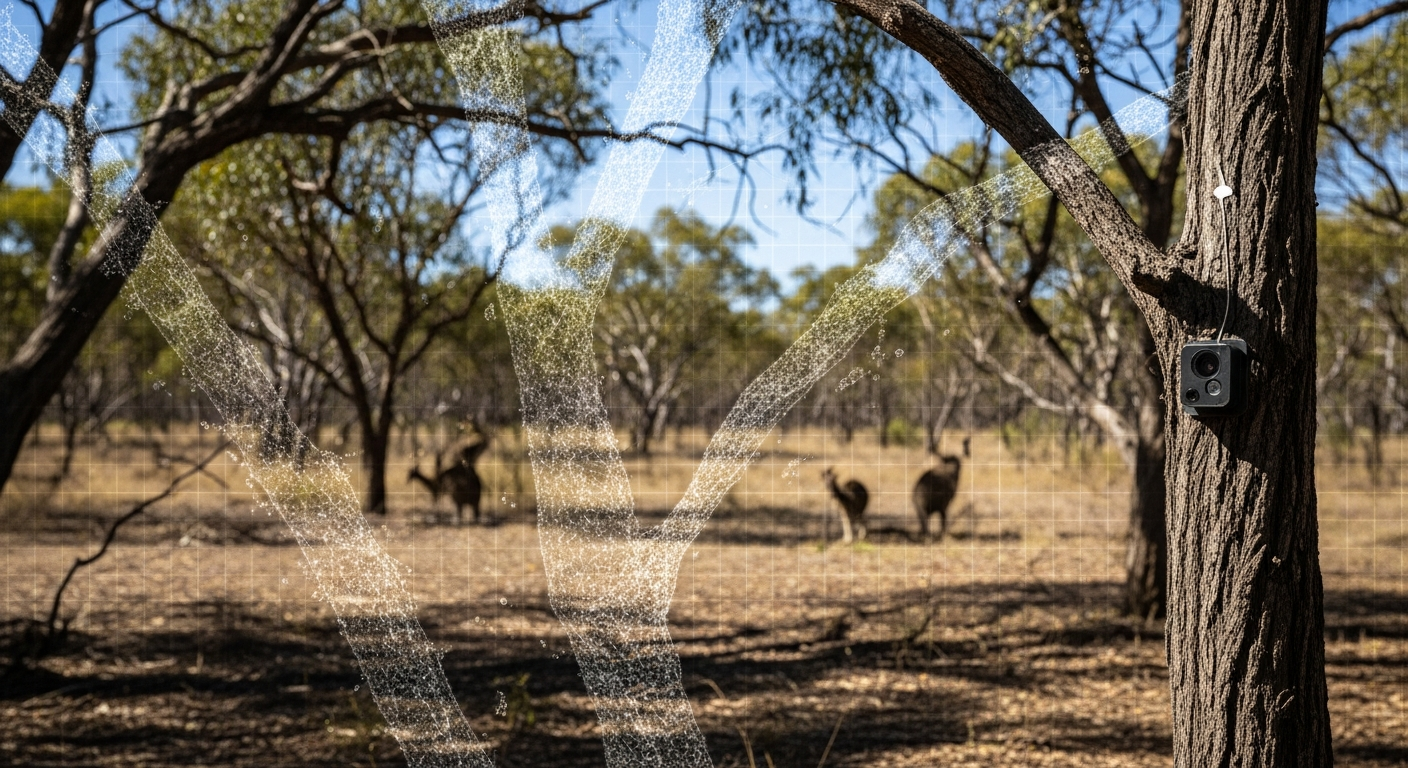
The practice of ecological assessment in Australia has long been constrained by a persistent data bottleneck. Remote camera traps are now a standard tool for baseline biodiversity surveys, environmental impact statements, and compliance monitoring. However, their widespread adoption has created a significant administrative burden. Environmental consultants, resource developers, and planning authorities regularly find themselves managing millions of high-resolution images. Historically, processing this volume of data required months of manual, frame-by-frame review by experienced ecologists, a process that is both costly and prone to human error. This data processing lag often delays project timelines, slows down regulatory approvals, and leaves valuable ecological evidence siloed on isolated local hard drives.
To address this critical bottleneck, Australia has launched a national artificial intelligence platform purpose-built for wildlife camera trap data. Known as WildObs, the platform was officially launched on 1 June 2026. The system represents a major collaborative effort between the University of Queensland, QCIF Digital Research, the Australian Research Data Commons, and the Terrestrial Ecosystem Research Network. By combining advanced machine learning with standardised data management practices, the platform enables environmental professionals to process, analyse, and store ecological imagery up to ten times faster than traditional manual sorting methods. For those managing development approvals, infrastructure projects, or conservation programmes, this development represents a major shift in how baseline ecological data is gathered, verified, and integrated into environmental assessments.
For environmental consultants and their clients, the significance of this platform extends beyond mere time savings. Modern planning and regulatory environments increasingly demand transparent, auditable, and repeatable scientific evidence to support development applications and compliance reports. By offering a coordinated, cloud-based infrastructure, the platform establishes a structured pathway for handling vast imagery datasets. This ensures that ecological findings are backed by a verifiable data trail that can withstand close regulatory and legal scrutiny. As Australian planning authorities and environmental protection agencies continue to tighten documentation standards, the ability to rapidly convert raw field imagery into clean, standardised, and analysis-ready datasets becomes a critical operational advantage.
How the WildObs AI Platform Processes Ecological Imagery
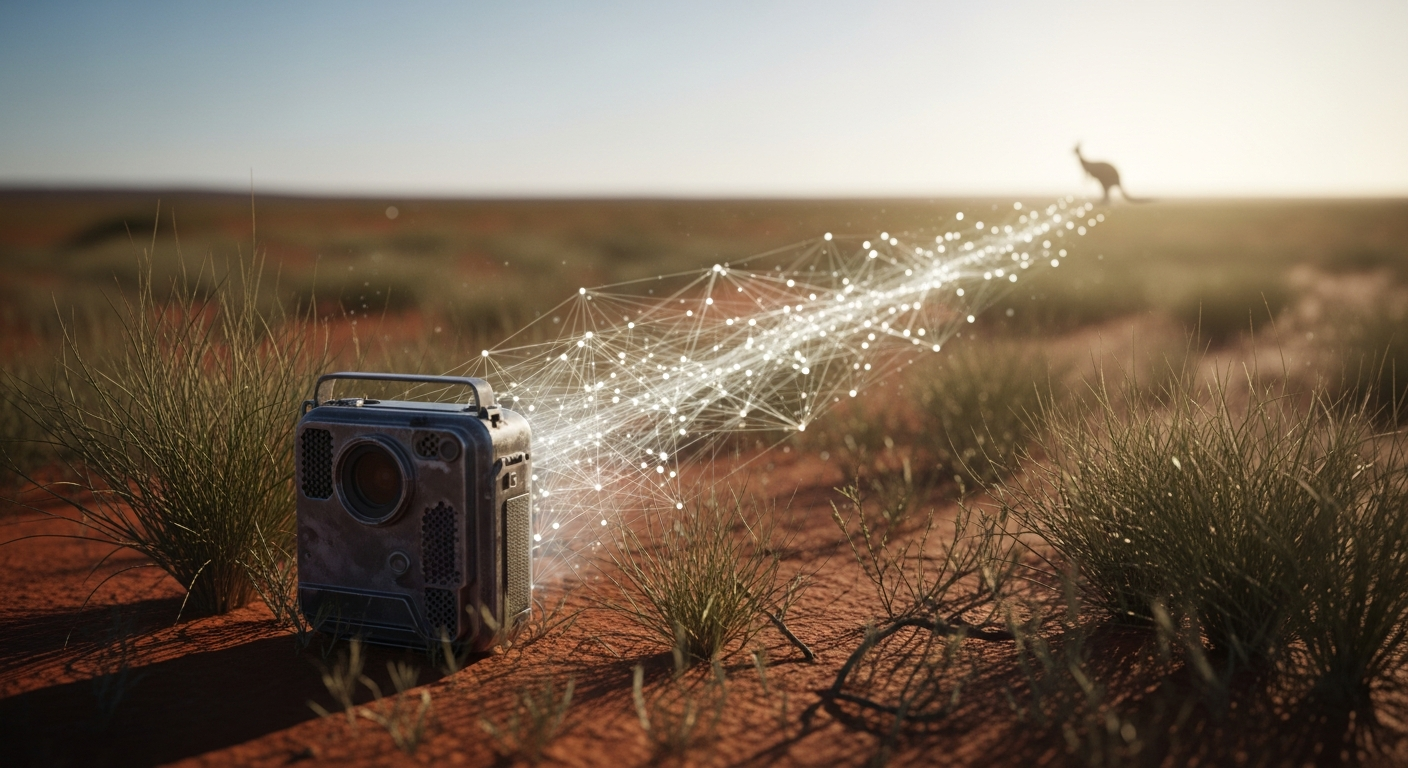
The core technological innovation of the WildObs platform lies in its ability to accelerate data workflows while maintaining high scientific accuracy. By utilising cloud-based processing power, the system achieves a processing speed up to ten times faster than manual review. It accomplishes this through the integration of sophisticated computer vision models. The platform uses Google SpeciesNet, a well-established global wildlife recognition model, alongside highly specialised regional classifiers developed by local ecologists. This hybrid approach allows the platform to automatically filter out empty frames, such as those triggered by wind-blown vegetation or shifting shadows, which frequently account for more than seventy percent of camera trap imagery. It then flags frames containing fauna and assists the user by predicting the species present with a calculated confidence threshold.
Crucially, the platform does not rely on a closed-source or static model. It is designed as an open, collaborative framework where practitioners and researchers can upload and host their own specialised regional classifiers. This capability means that as more data is ingested, the accuracy of local species detection models will continuously improve over time. Ecologists working in specific Australian bioregions, such as the arid interior, temperate woodlands, or tropical savannahs, can train and share models tailored to the unique behaviours and camouflaging of local fauna. This collaborative refinement process reduces the occurrence of false negatives and false positives, particularly for cryptic, nocturnal, or threatened species that are notoriously difficult for generic global models to identify.
Data standardisation is another key technical feature of the platform. Rather than generating proprietary or unstructured outputs, the system adopts the international Camera Trap Data Package standard, commonly known as CamtrapDP. This metadata standard ensures that all uploaded imagery and associated metadata are structured in strict alignment with the FAIR data principles, meaning that the information is Findable, Accessible, Interoperable, and Reusable. The CamtrapDP format systematically links three core components: the deployment details, such as camera coordinates, height, and active period; the media files, including images and video segments; and the taxonomic observations, including species identifications and abundance counts. This structured metadata model allows practitioners to easily export complete, self-contained data packages that can be directly ingested into statistical software packages such as R or Jupyter Notebooks for advanced ecological modelling.
The automated workflow of the platform follows a structured sequence designed to maintain scientific integrity. Upon uploading raw imagery, the platform runs the selected machine learning models to pre-screen the data. The system categorises images into high-confidence detections, low-confidence detections, and empty frames. Ecologists can then bypass the empty frames entirely and focus their highly paid expertise solely on verifying the low-confidence detections and confirming rare or threatened species sightings. Once human validation is complete, the platform generates a comprehensive audit trail, documenting which model was used, the confidence levels assigned to each detection, and the human observer who verified the classification.
References and related sources
- Primary source: news.uq.edu.au
- EPBC Act
How iEnvi can help
iEnvi provides specialist consulting services relevant to this topic. Our team includes CEnvP Site Contamination Specialists with experience across contaminated land, groundwater, remediation, ecology, and regulatory compliance.
- iEnvi contaminated land investigation services
- iEnvi remediation and validation services
- iEnvi expert services and independent review services
This is an iEnvi Machete news summary. Prepared by iEnvi to summarise the source article for contaminated land, groundwater, remediation, approvals and site risk professionals.
Published: 17 Jun 2026
Need advice on this topic? Speak to an iEnvi expert at info@ienvi.com.au or 1300 043 684, or contact us online.
Need advice on this issue? iEnvi provides practical, senior-led environmental consulting across contaminated land, remediation, ecology and environmental risk.
Team credentials Contaminated land services Remediation services Groundwater services Talk to iEnvi