
Overview
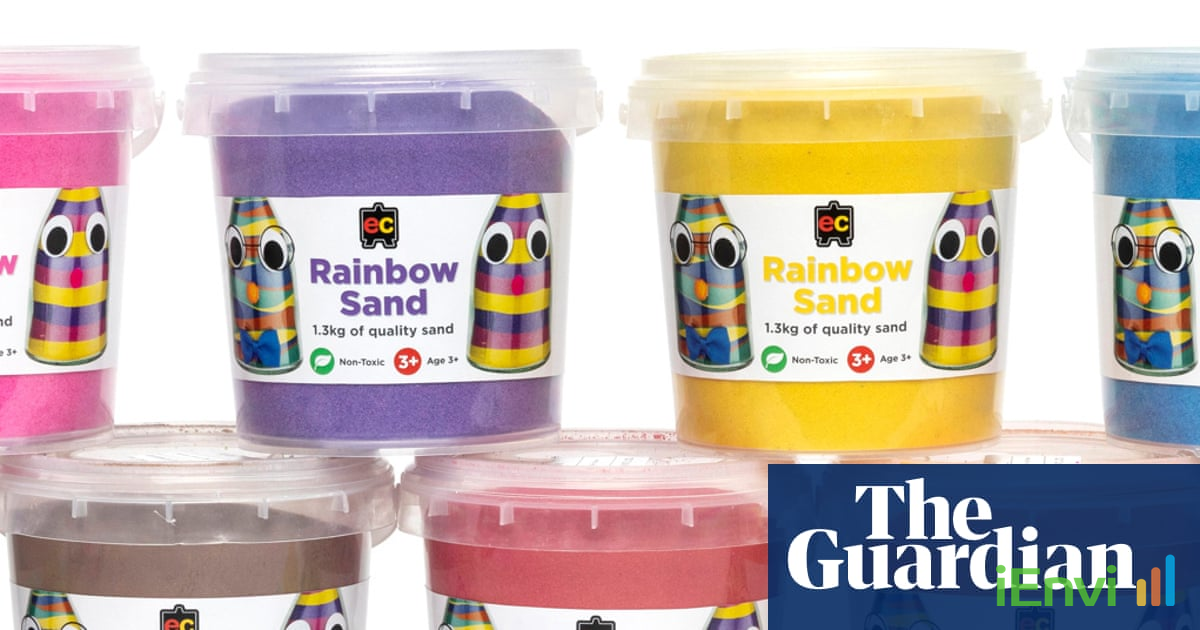
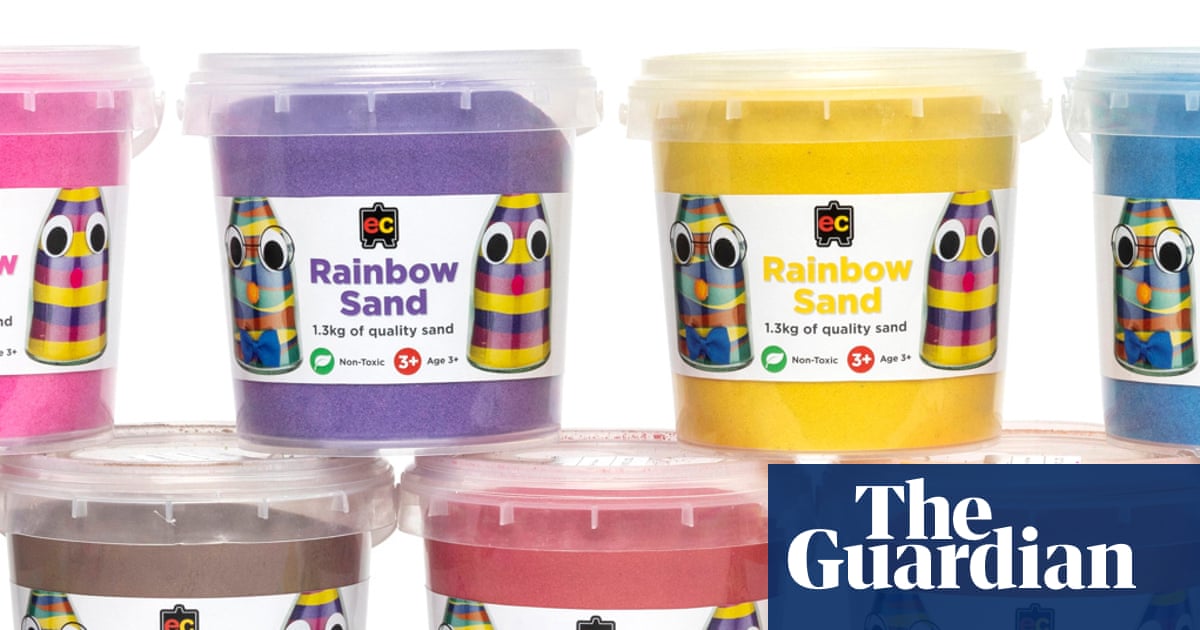
A joint Australian and New Zealand study published in July 2026 has produced findings that directly challenge the “low risk” characterisations issued by regulators during the widespread contaminated play sand recalls that affected schools, childcare centres, and retail outlets across Australia from late 2025 into 2026. The research, led by Associate Professor Terri-Ann Berry of the Auckland University of Technology (AUT), tested eleven samples of “craft” play sand products and found that nine of them released respirable tremolite asbestos fibres when subjected to simulated active play conditions. That result represents a fibre release rate of approximately 82 per cent across the dusty craft sand samples examined.
The significance of this finding extends well beyond the consumer product safety domain. For environmental consultants, site auditors, occupational hygienists, and land managers, the study is a technically grounded challenge to the adequacy of static and passive air monitoring as a standalone risk assessment tool when dealing with dry, fine-grained materials that may contain trace asbestos contamination. The study’s methodology deliberately mimicked the physical actions of children at play, using plastic spoons, toy cars, and small scoops, rather than relying on conventional laboratory or ambient air sampling alone. The outcome was unambiguous: physical disturbance of contaminated dusty sand produces airborne fibres even at low play intensities, and that exposure pathway is simply not captured by static baseline monitoring.
The study lands in a regulatory context already under pressure. National retail recalls and subsequent school closures in the Australian Capital Territory, Tasmania, and South Australia occurred between November 2025 and May 2026 after asbestos contamination was detected in commercially sold play sand products. At the time, both the Australian Competition and Consumer Commission (ACCC) and various health authorities issued public statements characterising the risk as low, partly on the basis that standard testing had not identified respirable fibres. The AUT-led research directly contradicts that basis.
Key details of the AUT play sand asbestos study
The study examined eleven samples of dusty “craft” play sands sourced from Australian and New Zealand retail markets. Of those eleven, nine produced airborne respirable tremolite asbestos fibres under simulated play conditions, giving an 82 per cent positive result rate across the dusty craft sand category. The researchers also tested “moulding” sands that contained clumping additives, and those samples did not produce measurable airborne fibres under the same conditions. This distinction is technically important: the physical properties of the matrix, specifically its dryness, fine particle size distribution, and the absence of binding agents, appear to be the critical variables governing whether disturbance generates a respirable fibre plume.
The asbestos mineral identified in the positive samples was tremolite, an amphibole asbestos variety. Amphibole asbestos fibres are generally regarded by toxicologists and regulators as posing a greater health risk per fibre than chrysotile (serpentine) asbestos, owing to their needle-like biopersistence in lung tissue and their established association with mesothelioma and asbestosis. The detection of respirable tremolite fibres in nine of eleven samples under play simulation is therefore not a marginal finding. It represents a credible inhalation exposure pathway for children engaged in routine sandpit play.
The methodology employed by Associate Professor Berry’s team is noteworthy because it operationalises the concept of Activity-Based Sampling (ABS). Rather than placing passive samplers in ambient air above undisturbed material, the researchers introduced physical disturbance representative of actual use conditions. This is methodologically analogous to the approach recommended in Safe Work Australia’s guidance on asbestos-containing materials in the workplace, where disturbed rather than undisturbed conditions determine the relevant exposure scenario. The finding that standard static air testing during the recall process had not detected respirable fibres, while ABS-equivalent simulation produced fibres in nine of eleven samples, quantifies the gap between these two methodological approaches.
From a regulatory reference standpoint, the ACCC’s jurisdiction over the recall of contaminated play sand products derives from the Competition and Consumer Act 2010 (Cth). The product safety provisions of that Act require risk assessments to account for foreseeable use conditions, which in the case of children’s play sand plainly includes active physical disturbance. The study’s findings raise legitimate questions about whether the “foreseeable use” standard was adequately applied in the risk assessments that underpinned the initial “low risk” characterisations issued during the 2025 to 2026 recall period.
Australian regulatory context for asbestos in soil and play materials
The National Environment Protection (Assessment of Site Contamination) Measure 2013 (NEPM 2013) is the primary national framework governing the assessment of asbestos-contaminated land in Australia. Under Schedule B1, Section 4, and Schedule B2, Section 11, the NEPM 2013 establishes health screening levels for asbestos fines and fibrous asbestos (AF/FA) in soil at 0.001 per cent weight for weight (w/w). This threshold is deliberately conservative and applies to residential land use scenarios where incidental ingestion, dermal contact, and inhalation are all recognised exposure pathways. The AUT study validates the scientific basis for that conservatism: even trace concentrations of asbestos in a dry, fine matrix can generate a respirable fibre exposure pathway under the kinds of physical disturbance that occur during active children’s play.
References and related sources
- Primary source: www.theguardian.com
- 163.com
- theguardian.com
- theguardian.com
- bsky.app
- NEPM Assessment of Site Contamination
How iEnvi can help
iEnvi provides specialist consulting services relevant to this topic. Our team includes CEnvP Site Contamination Specialists with experience across contaminated land, groundwater, remediation, ecology, and regulatory compliance.
- iEnvi site investigation services
- iEnvi asbestos services
- iEnvi remediation and validation services
- iEnvi expert services and independent review services
This is an iEnvi Machete news summary. Prepared by iEnvi to summarise the source article for contaminated land, groundwater, remediation, approvals and site risk professionals.
Published: 11 Jul 2026
Need advice on this topic? Speak to an iEnvi expert at info@ienvi.com.au or 1300 043 684, or contact us online.
Need advice on this issue? iEnvi provides practical, senior-led environmental consulting across contaminated land, remediation, ecology and environmental risk.
Team credentials Contaminated land services Remediation services Groundwater services Talk to iEnvi