

Key Implications of the NSW EPA Licensing Reform
The NSW Environment Protection Authority has initiated a major restructuring of its environment protection licensing framework since the Protection of the Environment Operations Act 1997 (NSW) (POEO Act) commenced operations. As reported in a regulatory update published 31 March 2026, the EPA is abolishing the traditional Annual Return for the majority of Environment Protection Licence (EPL) holders, replacing it with a near real-time reporting obligation that requires non-compliance notifications to be submitted within 14 days of a licence holder becoming aware of an issue. The legislative foundation for this overhaul is the Environmental Legislation Amendment Act 2025 (NSW), with updated licence conditions being rolled out on a staggered administrative basis through to 2028.
For environmental consultants, industrial facility managers, corporate ESG teams, and their legal advisers, this reform marks the end of a compliance culture built around the annual retrospective review. Under the previous model, EPL holders could compile, contextualise, and present monitoring data once a year, affording time for internal quality assurance, legal review, and strategic framing of exceedances. That buffer no longer exists. The 14-day window is not a target for best practice; it is a hard regulatory deadline tied directly to the substantially increased penalty regime under the amended POEO Act, with Tier 1 penalties reaching up to $10 million for corporations.
The reform extends beyond internal reporting obligations. The EPA is simultaneously developing a new public-facing data platform that will provide the community with near real-time access to environmental monitoring information from licensed premises. This combination of compressed reporting timelines and unprecedented public transparency represents a structural change to the relationship between licensed operators, the regulator, and the communities surrounding industrial facilities. The implications are operational, legal, and reputational, and they demand immediate attention from anyone involved in the management or oversight of EPL-holding sites in New South Wales.
14-Day Reporting Obligations: Understanding the NSW EPA Licensing Reform
The abolition of the Annual Return and the introduction of the 14-day near real-time reporting obligation are the central mechanics of this reform. Under the new licence conditions, EPL holders are required to report any instance of non-compliance through the EPA’s eConnect digital portal within 14 calendar days of becoming aware of that non-compliance. Non-compliance in this context captures the full spectrum of environmental performance failures that an EPL is designed to regulate, including exceedances of discharge limits in licensed water pollution conditions, breaches of air quality emission thresholds, failures in licensed waste management and storage requirements, and departures from noise or odour limits where those matters are captured within licence conditions.
The concept of “becoming aware” is the most legally sensitive trigger in the new framework. Awareness for the purposes of the reporting obligation is not confined to the moment a site manager personally reviews a monitoring result. Under the POEO Act, awareness extends to the corporation as a legal person. If a contracted laboratory issues a preliminary certificate of analysis that shows a result exceeding a licence limit, there is a credible legal argument that the 14-day clock commences from that point, not from when a more senior manager reviews the final certified report. This interpretation is particularly consequential given that standard NATA-accredited laboratory turnaround times for water quality or emissions samples commonly extend to seven to ten business days after sample collection. In a worst case, a site could be left with fewer than four working days between receiving a non-compliant result and the regulatory deadline for notification through eConnect.
The Environmental Legislation Amendment Act 2025 (NSW) is the legislative vehicle underpinning these changes, and the rollout is being implemented administratively through revised EPL conditions rather than through a single commencement date. This staggered approach, running through to 2028, means that different licence holders will transition at different times depending on when their licence conditions are updated by the EPA. Operators cannot assume they are operating under the old Annual Return model simply because they have not yet received a notification from the EPA. Proactive engagement with the EPA’s licensing portal and legal counsel is strongly advisable.
The penalty exposure associated with non-compliance under this new framework is not theoretical. Tier 1 offences under the POEO Act, which include wilful or negligent acts causing material harm to the environment, now attract maximum penalties of up to $10 million for corporations. While a failure to report within 14 days may not automatically constitute a Tier 1 offence, the failure to notify when required is itself a regulatory breach, and it will compound any underlying non-compliance in enforcement proceedings. The EPA retains broad powers under the POEO Act to issue clean-up notices, prevention notices, and penalty infringement notices, all of which can run concurrently with prosecution for notification failures.
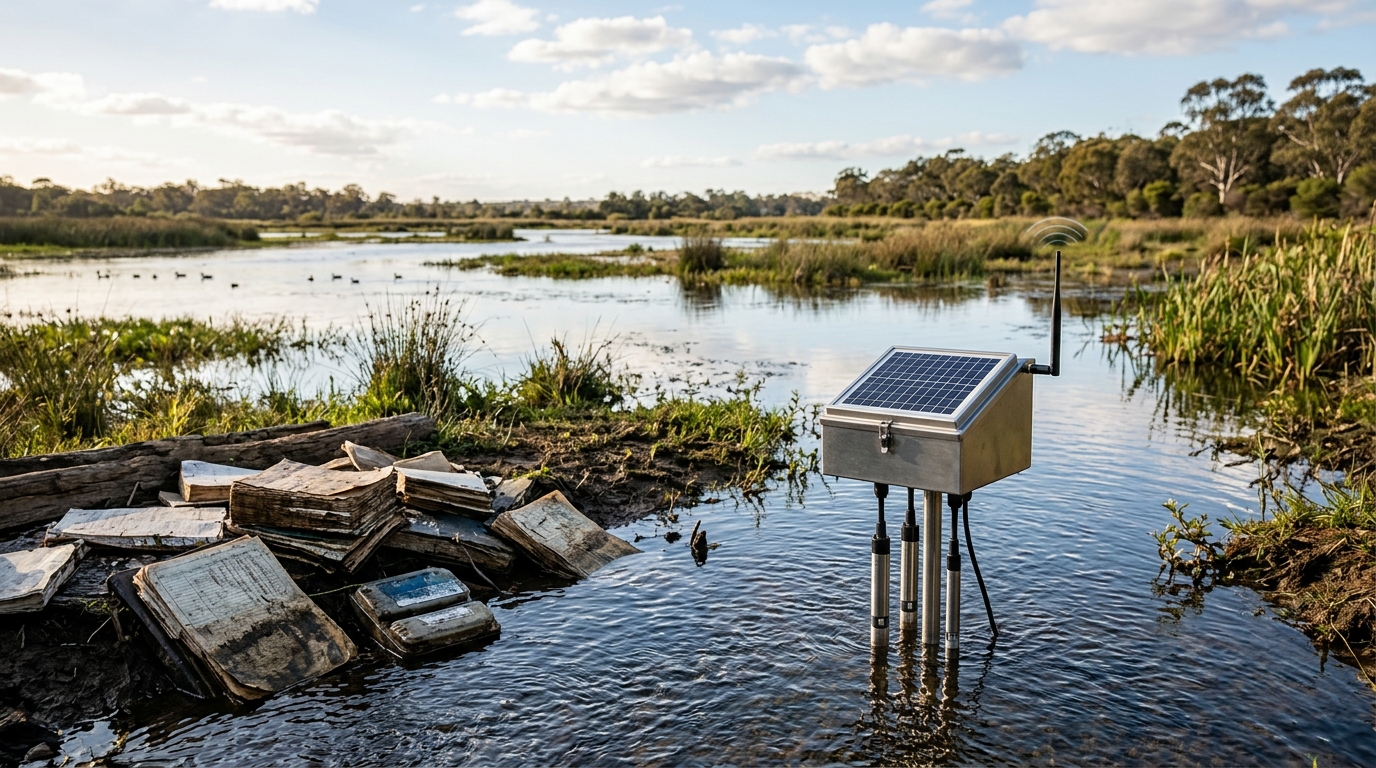
Australian regulatory context: how this reform fits within national and state environmental frameworks
New South Wales is the first Australian jurisdiction to introduce a near real-time reporting obligation of this specificity for environment protection licence holders, but the direction of travel is consistent with regulatory reform occurring across multiple jurisdictions and sectors. The Protection of the Environment Operations Act 1997
References and related sources
- Primary source: www.minterellison.com
- NSW EPA
How iEnvi can help
iEnvi provides specialist consulting services relevant to this topic. Our team includes CEnvP Site Contamination Specialists with experience across contaminated land, groundwater, remediation, ecology, and regulatory compliance.
- iEnvi contaminated land investigation services
- iEnvi remediation and validation services
- iEnvi expert services and independent review services
This is an iEnvi Machete news summary. Prepared by iEnvi to summarise the source article for contaminated land, groundwater, remediation, approvals and site risk professionals.
Published: 05 Apr 2026
Need advice on this topic? Speak to an iEnvi expert at info@ienvi.com.au or 1300 043 684, or contact us online.
Need advice on this issue? iEnvi provides practical, senior-led environmental consulting across contaminated land, remediation, ecology and environmental risk.
Team credentials Contaminated land services Remediation services Groundwater services Talk to iEnvi