
Overview
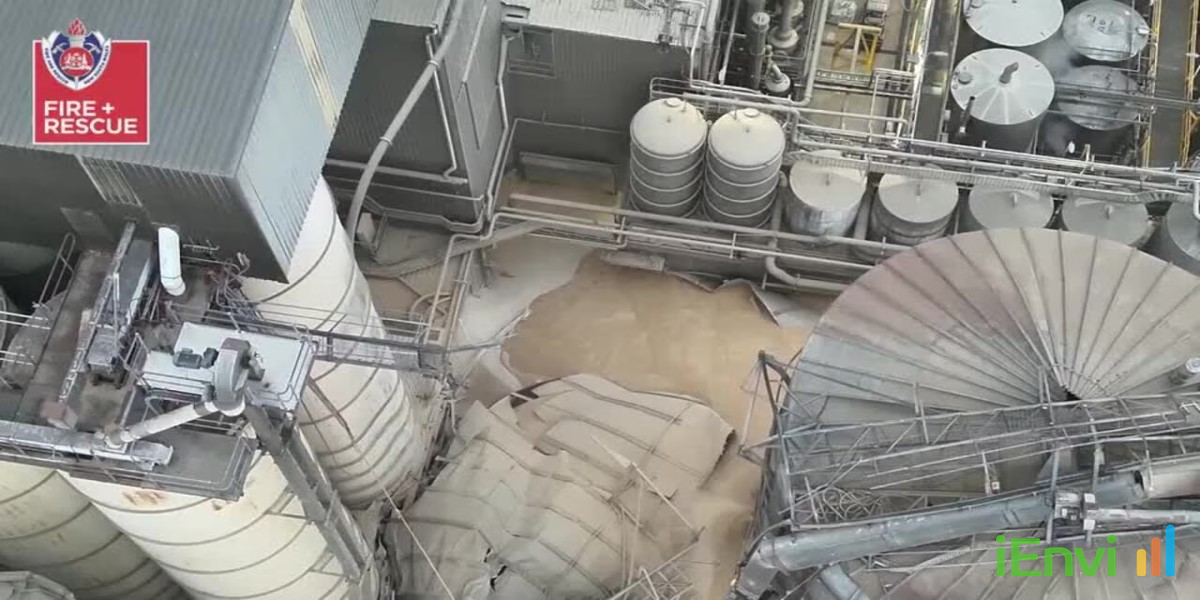
In one of the more significant enforcement actions of 2024-2025, the NSW Environment Protection Authority (EPA) has accepted a $170,000 Enforceable Undertaking from Shoalhaven Starches Pty Ltd following a catastrophic grain silo collapse that released over 2,000 tonnes of wheat into the Shoalhaven River. The incident, which occurred in 2024 at the company’s manufacturing facility near Bomaderry on the NSW South Coast, triggered a major pollution event in a waterway with recognised ecological and community significance. Rather than pursuing prosecution through the courts, the EPA opted for an Enforceable Undertaking, directing funds toward local environmental restoration and mandating a comprehensive Environmental Hazard Analysis of the facility.
Key details
The silo failure resulted in approximately 2,000 tonnes of stored wheat entering the Shoalhaven River, causing significant water quality impacts including elevated biological oxygen demand, turbidity, and nutrient loading. The decomposition of organic material in the waterway had the potential to trigger deoxygenation events harmful to aquatic fauna.
Under the terms of the Enforceable Undertaking, Shoalhaven Starches must:
- Pay $170,000, with funds directed toward environmental restoration projects in the Shoalhaven region rather than consolidated revenue
- Commission an independent Environmental Hazard Analysis (EHA) of the entire facility, assessing all potential pollution pathways arising from structural failures, extreme weather events, and operational incidents
- Implement all recommendations arising from the EHA within agreed timeframes
- Report compliance progress to the NSW EPA at defined milestones
The regulatory response reflects a broader trend in which the NSW EPA increasingly favours Enforceable Undertakings under the Protection of the Environment Operations Act 1997 (POEO Act) as a faster and more outcome-focused alternative to court prosecution. Enforceable Undertakings allow the regulator to secure binding commitments, environmental remediation funding, and systemic operational improvements without the delays and costs of litigation.
Australian context
Enforceable Undertakings have become a preferred enforcement tool across Australian environmental regulators. The NSW EPA, Queensland Department of Environment, Science and Innovation, and the Commonwealth EPA (once fully operational) are all strengthening their use of negotiated compliance mechanisms. The rationale is straightforward: funds are directed to measurable environmental outcomes rather than disappearing into general government revenue through court-imposed fines.
The Shoalhaven River is a sensitive receptor that supports significant aquatic biodiversity, recreational fishing, and downstream water supply interests. The river’s ecological values amplified the seriousness of this incident. Facilities operating near waterways classified as sensitive receiving environments face elevated regulatory scrutiny under EPA risk-based licensing frameworks.
This case also underscores the intersection of ageing industrial infrastructure and environmental risk. Across Australia, many industrial facilities, particularly in the food processing, manufacturing, and resources sectors, operate with infrastructure that predates current structural and environmental design standards. The requirement for a comprehensive Environmental Hazard Analysis signals that regulators expect operators to proactively identify and manage catastrophic failure scenarios, not simply respond to incidents after they occur.
Practical implications
For environmental consultants, facility operators, and site managers, this enforcement action carries several practical lessons:
- Infrastructure risk and environmental liability are inseparable. A structural engineering failure became a major environmental enforcement matter. Environmental management plans and incident response procedures must account for catastrophic infrastructure scenarios, including silo collapses, tank failures, pipeline ruptures, and bund overtopping during extreme weather.
- Environmental Hazard Analysis is becoming a regulatory expectation. The EHA requirement signals that regulators expect a systematic, site-wide evaluation of all credible pollution pathways. This goes beyond standard environmental auditing to include failure mode analysis, extreme weather scenario modelling, and assessment of cumulative risks from co-located hazards.
- Proximity to sensitive receptors elevates enforcement risk. Facilities located near waterways, wetlands, residential areas, or ecologically significant sites should expect heightened regulatory attention. Pre-emptive risk assessments and robust pollution controls are essential.
- Enforceable Undertakings carry binding obligations. Unlike fines, an Enforceable Undertaking creates ongoing compliance obligations. Non-compliance with the terms of an EU can result in further enforcement action, including prosecution for the original offence plus breach of the undertaking.
References and related sources
- Original source article (94.9 Power FM)
- NSW Environment Protection Authority
- Protection of the Environment Operations Act 1997 (NSW)
- Join the discussion on LinkedIn
How iEnvi can help
iEnvi provides specialist environmental consulting services for industrial operators, developers, and government agencies managing complex environmental risks. Our team has extensive experience in:
- Contaminated land assessment and management, including environmental site assessments for facilities with ageing infrastructure and legacy contamination risks
- Remediation planning and implementation for sites affected by pollution incidents, including waterway and soil remediation
- Expert witness services for regulatory proceedings, enforcement matters, and environmental litigation
If your facility requires an Environmental Hazard Analysis, pollution incident response planning, or assistance with regulatory compliance, contact iEnvi for practical, technically rigorous advice.
This is an iEnvi Machete news summary. Prepared by iEnvi to summarise the source article for contaminated land, groundwater, remediation, approvals and site risk professionals.
Need advice on this topic? Speak to an iEnvi expert at info@ienvi.com.au or 1300 043 684, or contact us online.
Need advice on this issue? iEnvi provides practical, senior-led environmental consulting across contaminated land, remediation, ecology and environmental risk.
Soil remediation Environmental management plans Contaminated land services Groundwater services Talk to iEnvi