
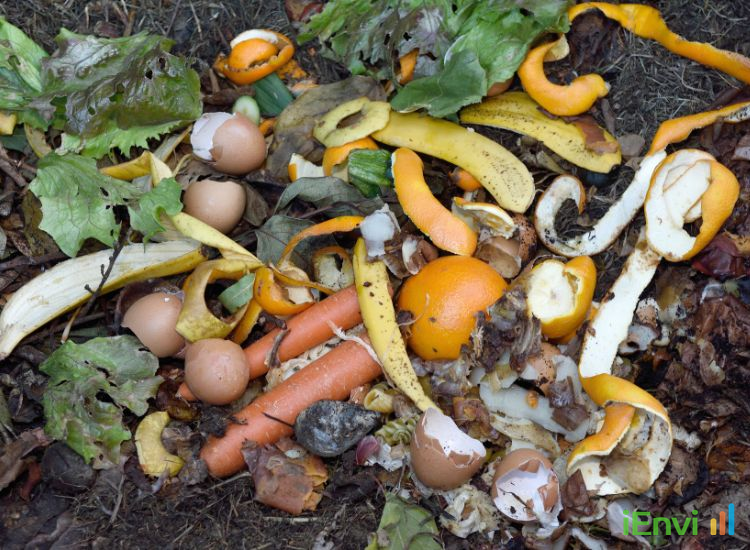
NSW FOGO Business Mandate Commences 1 July 2026: What Commercial Operators and Their Advisers Need to Know
Overview of the NSW FOGO Business Mandate
New South Wales commenced the first phase of its Food Organics and Garden Organics (FOGO) business recycling mandate on 1 July 2026, marking the most significant structural reform to commercial waste regulation in the state in more than a decade. From that date, large supermarkets and large catering businesses that prepare, sell, or provide food are legally required to source-separate food waste from general waste streams. This is not a voluntary sustainability commitment or a transitional arrangement. It is a hard legal requirement backed by enforcement powers under the Protection of the Environment Operations Act 1997 (NSW), with penalties issuable by both local councils and the NSW Environment Protection Authority (EPA).
The mandate is supported by $81 million in NSW Government funding and forms a central pillar of the NSW Waste and Sustainable Materials Strategy 2041 (WaSM). The WaSM sets ambitious targets for diverting organic material from landfill, reducing greenhouse gas emissions from the waste sector, and extending the operational life of Greater Sydney’s constrained landfill network. For environmental consultants, property asset managers, commercial landlords, developers, and institutional facilities managers, the commencement of this mandate creates immediate compliance obligations that cannot be deferred to the next annual review cycle.
The urgency is compounded by the fact that Greater Sydney’s landfill network is on a trajectory to exhaust capacity by approximately 2030. Organic waste, including food scraps and garden organics, constitutes a disproportionately large share of the commercial and industrial waste stream by volume and by greenhouse gas impact. The FOGO mandate is, in effect, the NSW Government’s highest-priority operational lever for buying time on the landfill capacity crisis while simultaneously driving down methane emissions from decomposing organics in anaerobic landfill conditions.
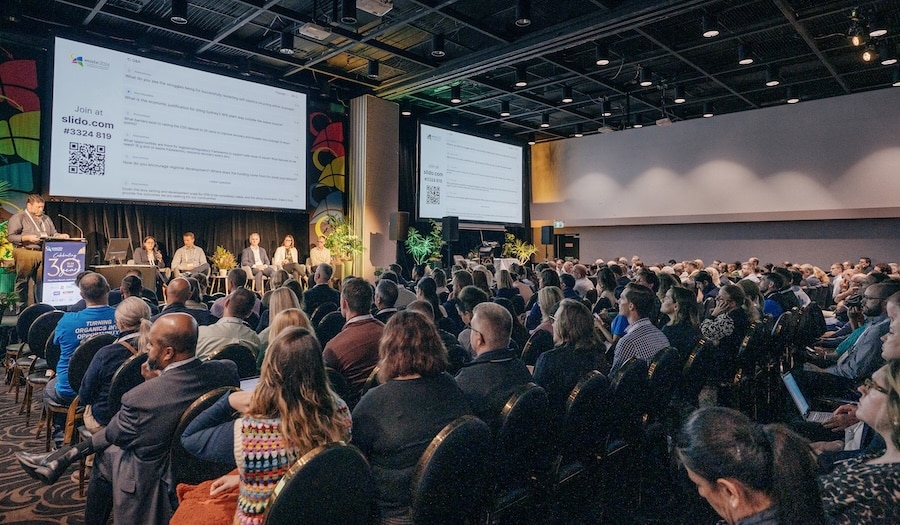
Key details of the NSW FOGO mandate thresholds, rollout phases, and reporting obligations
The 1 July 2026 phase applies to commercial premises and institutions that generate and send approximately 4,000 litres or more of general waste to landfill each week. To put that threshold in physical terms, 4,000 litres is equivalent to roughly two standard skip bins or 16 standard 240-litre wheelie bins disposed of per week. Any commercial operator at or above that volume is now legally obligated to have a compliant source-separated organics collection system operating. There is no grace period beyond 1 July 2026 for businesses that were already generating waste above this threshold before the commencement date.
Large supermarkets carry an additional and distinct compliance obligation under the mandate that goes beyond physical separation of food waste. They must track and formally report their food donation volumes. This reporting requirement is designed to ensure that edible surplus food is redirected to food rescue charities and community organisations rather than being commingled with inorganic waste or sent to composting as a first resort. The policy intent is a food rescue hierarchy: surplus edible food is redirected to people first, then to animals where appropriate, and composting or organics processing represents the last resort before disposal.
The mandate follows a legislated three-phase rollout. The first phase, now operative, targets large waste generators above the 4,000-litre-per-week threshold. The second phase, commencing 1 July 2028, will extend mandatory food organics separation to smaller commercial waste generators. The third and final phase, commencing 1 July 2030, will mandate weekly household FOGO collections across all NSW local councils, bringing residential organics collection into uniform regulatory alignment statewide. This staged approach reflects both the infrastructure investment lead times required by councils and waste processors and the need for the organics processing industry to scale capacity ahead of the household rollout.
Enforcement authority sits with both local councils and the NSW EPA under the Protection of the Environment Operations Act 1997. Penalty notices can be issued to businesses found not to be meeting source-separation requirements. The specific penalty amounts applicable to large corporations under the POEO Act can be substantial, and infringement notices represent only the first level of enforcement response available to regulators. Continued or systemic non-compliance can attract prosecution and court-imposed penalties at a significantly higher order of magnitude than infringement notices alone.
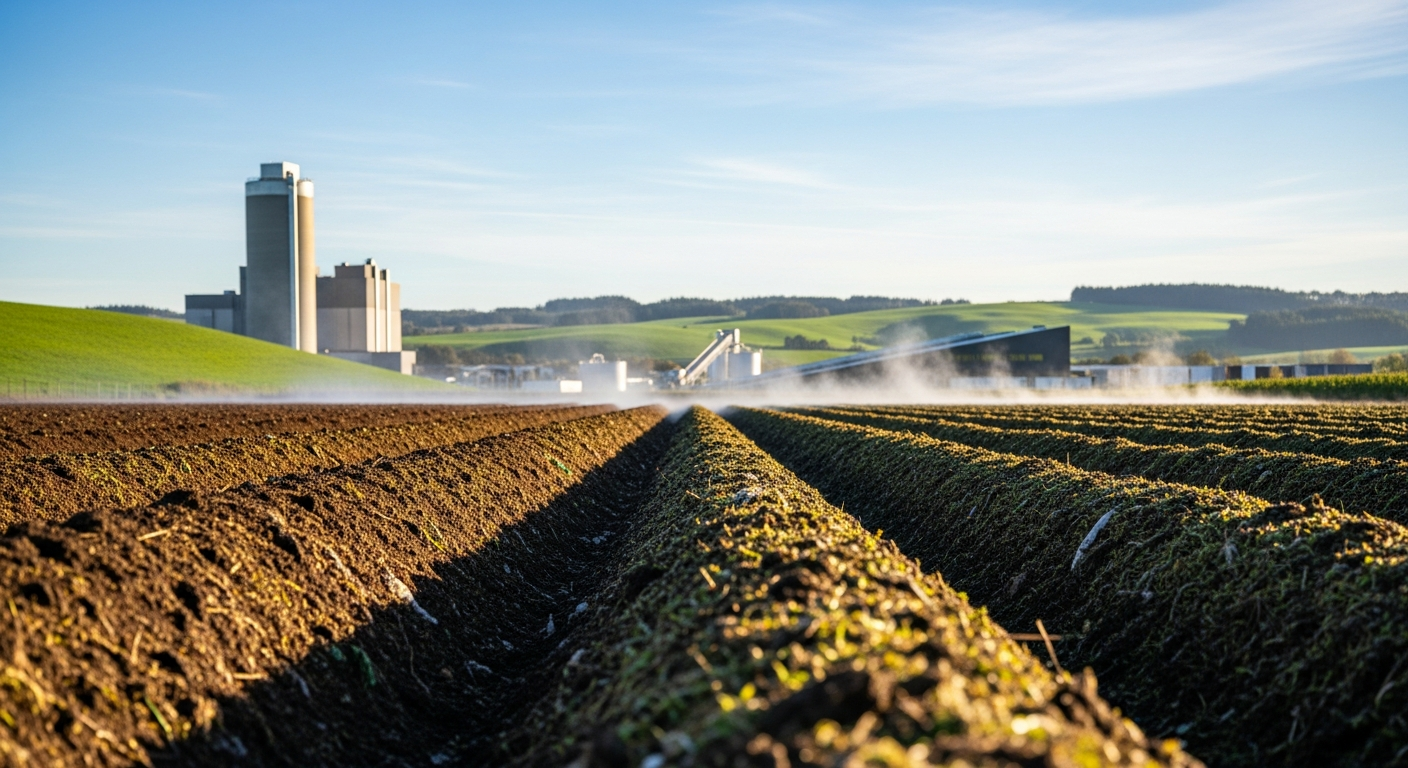
Australian context: how the NSW FOGO mandate sits within national waste and emissions frameworks
The NSW FOGO mandate does not operate in regulatory isolation. It intersects with Australia’s National Waste Policy Action Plan 2019, which sets a target of halving food waste by 2030 relative to 2017 levels, and with the National Food Waste Strategy developed through the Commonwealth Department of Climate Change, Energy, the Environment and Water. NSW is the first Australian jurisdiction to impose legally binding commercial food waste separation requirements of this scale, making it a regulatory model that Queensland, Victoria, South Australia, and Western Australia are actively observing as they develop their own organics diversion strategies. Victoria’s Recycling Victoria policy and South Australia’s longstanding organics collection infrastructure have previously led national practice, but the NSW mandate is the first to impose enforceable commercial thresholds at this level of specificity.
The greenhouse gas dimension of food waste diversion is directly relevant to Australia’s emissions reporting architecture. Methane generated by decomposing organic material in landfill is counted within Australia’s national greenhouse gas inventory, and reductions in landfill-derived methane contribute to Australia’s progress against its emissions reduction targets under the Climate Change Act 2022. For larger commercial operators already subject to the National Greenhouse and Energy Reporting (NGER) scheme, improved organics diversion data may also have relevance to corporate emissions disclosures as mandatory climate-related financial reporting requirements continue to expand across the Australian economy.
References and related sources
- Primary source: www.epa.nsw.gov.au
- nsw.gov.au
- nsw.gov.au
- nsw.gov.au
- nsw.gov.au
How iEnvi can help
iEnvi provides specialist consulting services relevant to this topic. Our team includes CEnvP Site Contamination Specialists with experience across contaminated land, groundwater, remediation, ecology, and regulatory compliance.
- iEnvi ESG services
- iEnvi contaminated land investigation services
- iEnvi remediation and validation services
- iEnvi expert services and independent review services
This is an iEnvi Machete news summary. Prepared by iEnvi to summarise the source article for contaminated land, groundwater, remediation, approvals and site risk professionals.
Published: 02 Jul 2026
Need advice on this topic? Speak to an iEnvi expert at info@ienvi.com.au or 1300 043 684, or contact us online.
Need advice on this issue? iEnvi provides practical, senior-led environmental consulting across contaminated land, remediation, ecology and environmental risk.
Team credentials Contaminated land services Remediation services Groundwater services Talk to iEnvi