
Overview
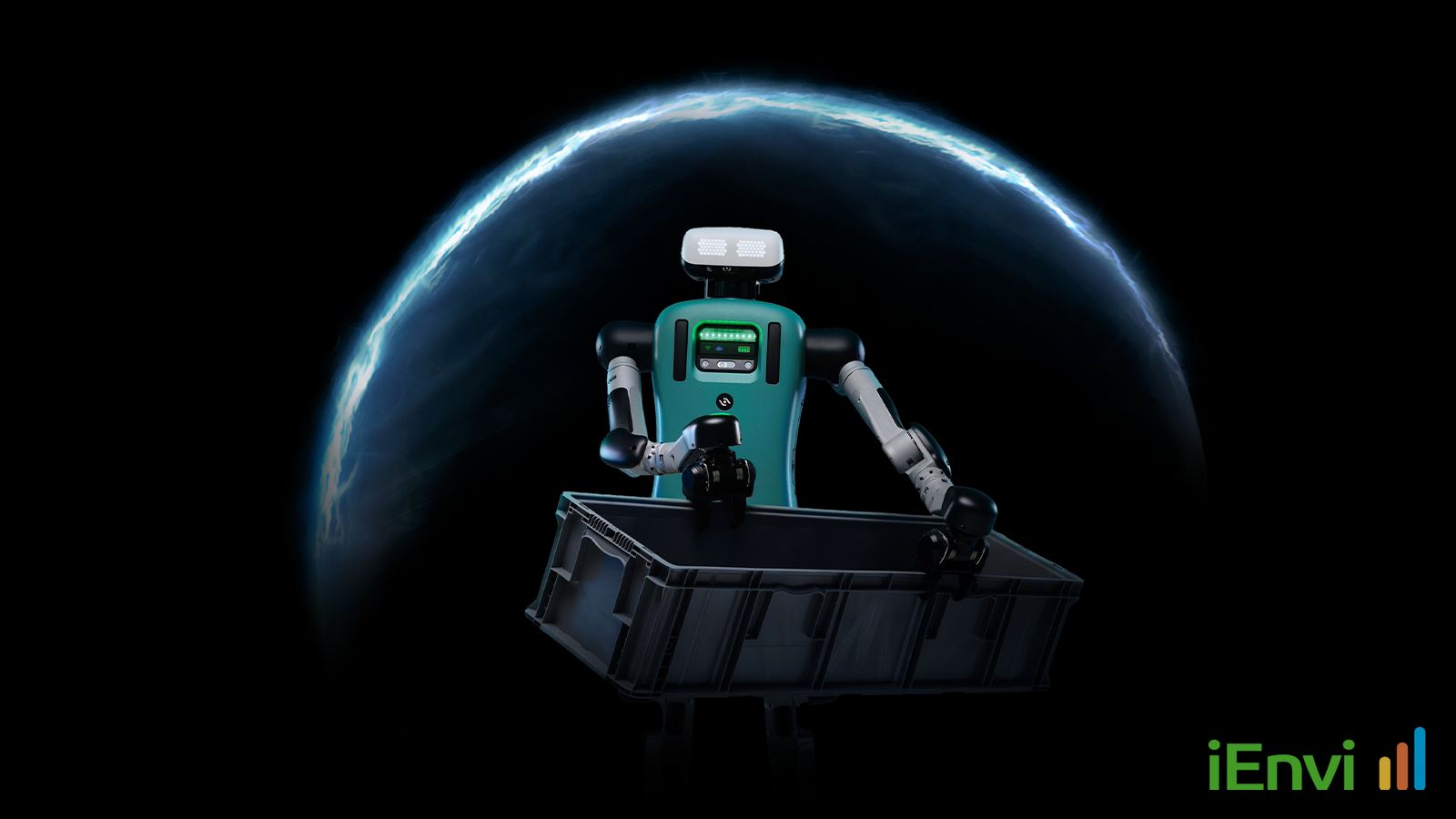
On 22 June 2026, NVIDIA announced Halos for Robotics at the Automate 2026 conference in Chicago, marking the release of what the company describes as the industry’s first full-stack, open safety system designed specifically for physical AI and robotics. The platform adapts safety architecture originally developed for autonomous vehicles and applies it to collaborative robots, autonomous mobile robots (AMRs), and humanoid systems intended to work alongside human workers in industrial environments. Agility Robotics was named as the inaugural partner, with the company integrating elements of Halos for Robotics into its Digit humanoid robots, which are already active in factory and logistics pilots for enterprise clients including Amazon, GXO, Schaeffler, and Toyota Motor Manufacturing Canada.
The announcement addresses what has consistently been the primary bottleneck to scaling physical AI in production environments: not the cognitive or computational capability of the machines, but the functional safety and compliance frameworks needed to certify that robots can operate reliably and safely in spaces shared with human workers. Traditional onboard sensor systems force robots to stop or dramatically slow their operations whenever a person enters a defined proximity zone, creating throughput limitations that make high-volume industrial deployment economically unattractive. Halos for Robotics introduces an “outside-in” perception model that coordinates onboard robot sensors with external worksite cameras and AI agents, allowing real-time trajectory adjustments without mandatory stops.
For business leaders, operations managers, and technology consultants, the significance of this launch is the shift from fragmented, proprietary safety implementations toward a standardised, certifiable architecture. The platform is backed by an ecosystem of more than 40 companies spanning real-time operating system providers, hardware manufacturers, and third-party safety certification bodies. This breadth of industry support suggests Halos for Robotics is positioned as infrastructure rather than a single vendor product, with implications for how industrial automation is procured, validated, and regulated across multiple sectors.
Key details of the NVIDIA Halos for Robotics platform and its three-layer safety architecture
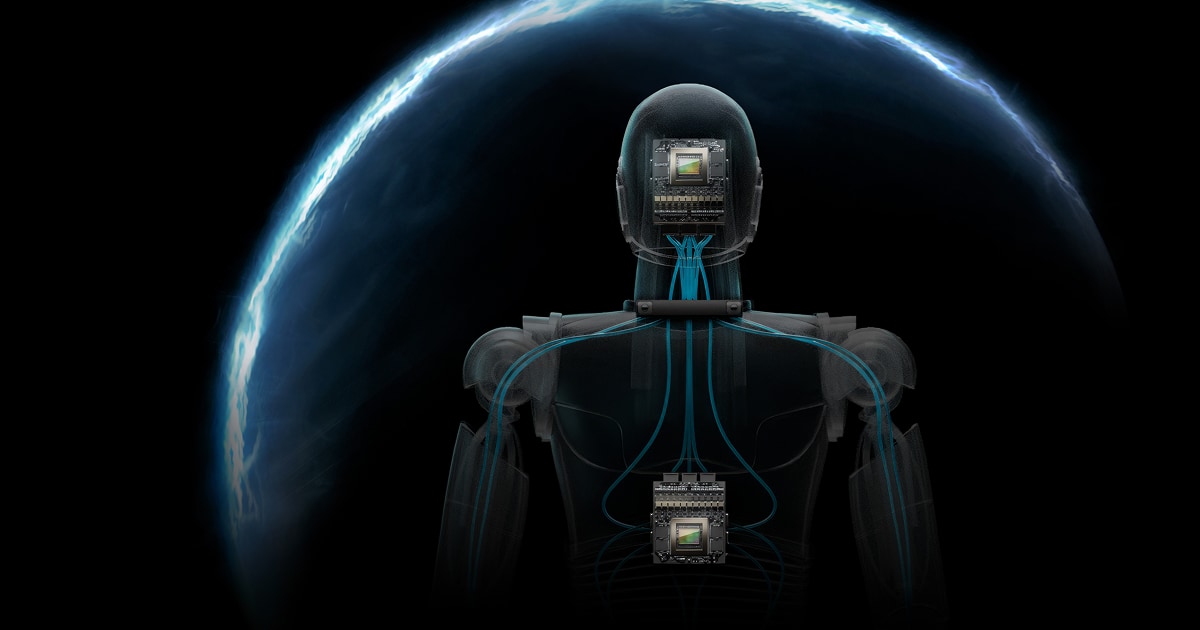
The Halos for Robotics system is structured across three distinct layers: hardware platform safety, software safety, and validation and inspection. At the hardware level, the platform runs on the industrial-grade NVIDIA IGX Thor computing platform, which includes a dedicated Functional Safety Island (FSI). This FSI is designed to meet IEC 61508 SIL 3 safety integrity level standards, which represent a high level of risk reduction for safety instrumented functions in hazardous environments. The platform also incorporates the NVIDIA Holoscan Sensor Bridge (HSB), which manages sensor data ingestion and processing at the edge.
The software layer is built on Halos OS, which runs on the IGX Thor platform and includes a component called Halos Core for developing safety applications. The defining feature of this layer is the open-source NVIDIA Halos Outside-In Safety Blueprint, which coordinates data from onboard robot sensors with feeds from external worksite cameras and AI agents distributed through the facility. This outside-in model represents a departure from conventional inside-out robotics safety, where the robot’s own sensors carry the entire perceptual burden. By integrating environmental perception from fixed infrastructure, the system can maintain awareness of worker positions and trajectories across a wider area and adjust robot movements dynamically rather than defaulting to a full stop.
The third layer is the NVIDIA Halos AI Systems Inspection Lab, which the company states is the world’s first ANSI National Accreditation Board (ANAB)-accredited programme for functional and AI safety in physical AI. This accreditation provides a structured pathway for third-party safety certification through established bodies including TUV Rheinland, UL Solutions, and TUV SUD. The relevant certification standards include IEC 61508 (functional safety of electrical and electronic systems), ISO 13849 (safety of machinery and safety-related control systems), and ISO/IEC TR 5469, which addresses functional safety and AI systems. The existence of an accredited inspection programme is significant because it removes a major regulatory friction point: previously, companies deploying advanced robotics in shared workspaces had to navigate certification processes that were highly fragmented and inconsistent between jurisdictions and assessors.
The partner ecosystem supporting the launch spans more than 40 organisations. Real-time operating system providers contributing to the platform include QNX and FreeRTOS. Hardware manufacturers involved include Advantech and NexCOBOT. Safety specialists such as FORT Robotics are demonstrating live outside-in safety integrations as part of the launch programme. This ecosystem approach is deliberate: NVIDIA is establishing Halos for Robotics as an open platform rather than a closed system, which reduces the risk of vendor lock-in for enterprise adopters and allows safety components to be validated independently by the relevant certification bodies.
Australian context: how NVIDIA Halos for Robotics relates to industrial AI adoption and workplace safety regulation in Australia
Australia does not yet have a dedicated national regulatory framework for autonomous robots operating in shared human workspaces, but the functional safety standards underpinning Halos for Robotics are directly relevant to Australian industrial operations. IEC 61508, ISO 13849, and their derivative standards are incorporated by reference into Australian Standard AS 61508 and related machinery safety standards adopted across Australian jurisdictions.
References and related sources
- Primary source: nvidianews.nvidia.com
- nvidia.com
- nvidia.com
- axios.com
- automate.org
How iEnvi can help
iEnvi integrates technology and data-driven approaches into environmental consulting. We monitor AI and technology developments that affect how environmental professionals deliver services to clients.
This is an iEnvi Machete news summary. Prepared by iEnvi to summarise the source article for environmental professionals tracking AI, data, and technology developments that affect consulting and project delivery.
Published: 24 Jun 2026
Need advice on this topic? Speak to an iEnvi expert at info@ienvi.com.au or 1300 043 684, or contact us online.
Need advice on this issue? iEnvi provides practical, senior-led environmental consulting across contaminated land, remediation, ecology and environmental risk.
Contaminated land advice Remediation services Discuss your site Talk to iEnvi