

UQ researchers engineer adaptive fungi to detoxify mining tailings and recover critical minerals
Fungal Bioremediation of Mining Waste
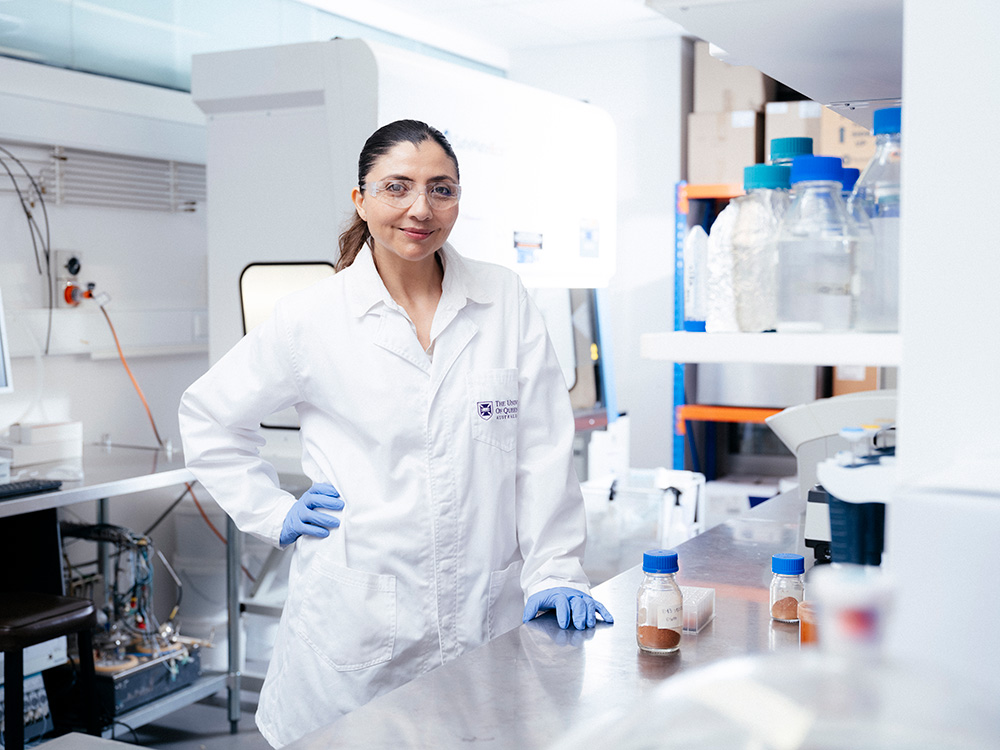
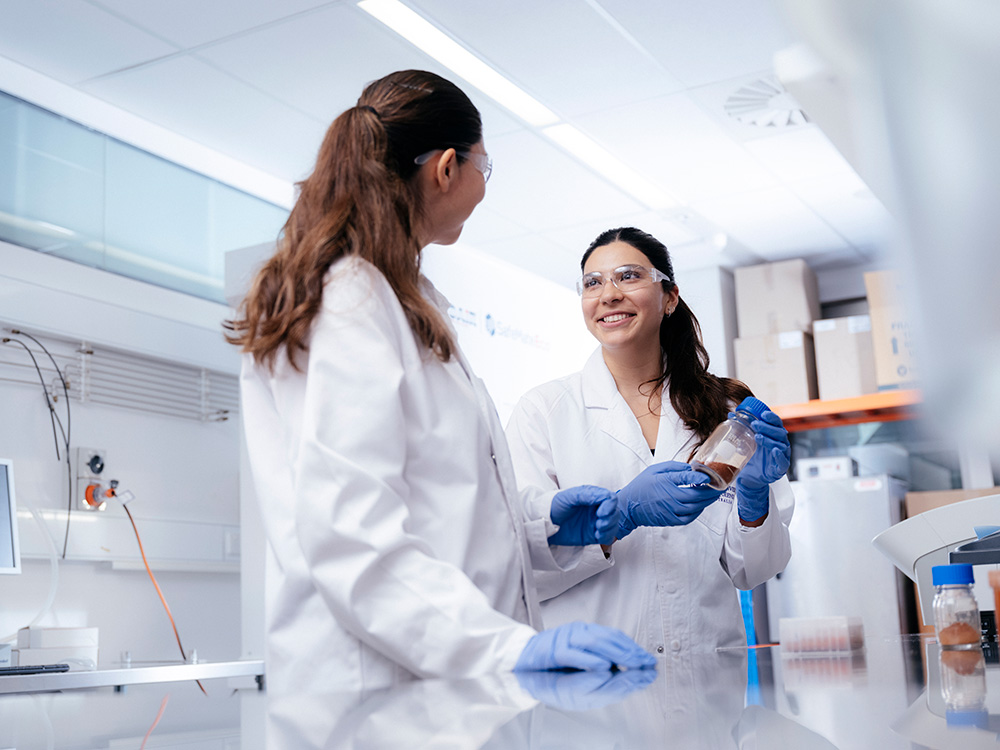
Researchers at the University of Queensland’s Biosustainability Hub, operating within the Australian Institute for Bioengineering and Nanotechnology (AIBN), published findings on 23 June 2024 detailing a significant advance in biological remediation of mining waste. Led by Dr Denys Villa-Gomez and PhD candidate Fernanda Soto-Montandon, the team has developed and successfully tested specialised fungal strains capable of detoxifying highly contaminated mining tailings in laboratory bioreactor conditions. Critically, the same biological process simultaneously extracts and concentrates high-value critical minerals, including vanadium and scandium, from the waste material during treatment.
The method, known as bioleaching, works by exploiting the natural metabolic activity of fungi that have been deliberately evolved in the laboratory to withstand extreme metal toxicity. Rather than applying industrial-grade acids or chemical solvents to dissolve mineral structures in tailings, these adapted organisms produce organic acids as metabolic byproducts, which break down the mineral matrix and liberate trapped metals into solution for subsequent recovery. The technique is positioned as a direct, lower-impact alternative to conventional hydrometallurgical acid leaching, which carries significant environmental risks associated with chemical storage, reagent handling, and residual waste streams.
For environmental professionals, remediation engineers, and mining operators working across Queensland, New South Wales, Victoria, and South Australia, this development is worth tracking closely. The convergence of passive biological detoxification and critical mineral recovery addresses two of the most persistent and expensive challenges in modern mine site management: long-term tailings liability and the escalating demand for battery-critical and technology metals. The research team has confirmed active engagement with industry partners to move the technology from laboratory bioreactors toward field-scale deployment at operational mine sites.
Key details of the UQ bioleaching research and methodology
The core scientific technique underpinning this work is adaptive laboratory evolution, a process by which fungal cultures are exposed to progressively more toxic and hostile growth environments over successive generations. Only the most resilient individuals survive each stage of exposure, and over time the population evolves strains with substantially elevated tolerance to heavy metals and metalloids present in mining tailings. This is not genetic modification in the conventional sense; it is an accelerated, directed selection process using conditions that mirror the hostile geochemistry of real mine waste environments. The result is what the research team describes as “super fungi” strains that are uniquely suited to operating in environments that would be lethal to unmodified organisms.
In the laboratory bioreactor trials, these evolved strains are provided with a carbon feedstock to sustain their metabolic activity. As a byproduct of that metabolism, the fungi excrete natural organic acids. These acids interact with the mineral lattice of the tailings, destabilising the crystalline structure and solubilising trapped metal species, including vanadium and scandium. Both elements are classified as critical minerals under Australian and international frameworks due to their indispensable role in vanadium redox flow batteries, high-strength steel alloys, solid oxide fuel cells, and specialist electronics manufacturing. The ability to recover these specific elements from waste streams rather than primary ore extraction carries substantial commercial and strategic significance.
Vanadium and scandium are present in many tailings deposits associated with base metal and iron ore mining, often at concentrations that are sub-economic for conventional extraction but meaningful when recovery costs are reduced through biological processing. Traditional acid leaching of tailings to recover such metals typically requires sulfuric acid concentrations sufficient to cause severe and persistent soil and groundwater acidification if containment fails. By contrast, the organic acids produced by the fungal strains are biodegradable, present lower secondary contamination risk, and do not require the same high-hazard chemical storage infrastructure. The research team is actively working to transition bioreactor-scale results to in-situ field applications, which would allow biological treatment to occur within the tailings mass or storage facility itself, without the need for excavation and transport of material.
The specific toxicity thresholds that the evolved strains can tolerate have not been disclosed in full in the publicly available summary, but the research confirms successful operation in “highly contaminated” tailings environments. The AIBN publication confirms that the detoxification and mineral recovery functions occur simultaneously within the same treatment process, which is a key differentiator from sequential treatment approaches that require separate unit operations for detoxification and metal extraction.
Australian context: mining tailings regulation, progressive rehabilitation, and NEPM 2013 investigation levels
Mining tailings management in Australia is regulated through a combination of state environmental protection legislation, mining-specific Acts, and national contaminated land frameworks. In Queensland, the primary regulatory instrument is the Environment Protection Act 1994 (Qld), which requires resource activity operators to hold and comply with an Environmental Authority (EA) issued by the Department of Environment and Science. Progressive rehabilitation of disturbed land, including tailings storage facilities (TSFs), is a statutory obligation under this framework, requiring operators to rehabilitate land progressively as mining activities advance rather than deferring all remediation to mine closure. TSFs are subject to ongoing geotechnical and environmental monitoring requirements, and operators must demonstrate that rehabilitation outcomes meet agreed post-mining land use standards, including targets for revegetation, erosion control, and containment integrity.
References and related sources
- Primary source: aibn.uq.edu.au
- uq.edu.au
- uq.edu.au
How iEnvi can help
iEnvi provides specialist consulting services relevant to this topic. Our team includes CEnvP Site Contamination Specialists with experience across contaminated land, groundwater, remediation, ecology, and regulatory compliance.
- iEnvi remediation services
- iEnvi groundwater services
- iEnvi expert services and independent review services
This is an iEnvi Machete news summary. Prepared by iEnvi to summarise the source article for contaminated land, groundwater, remediation, approvals and site risk professionals.
Published: 24 Jun 2026
Need advice on this topic? Speak to an iEnvi expert at info@ienvi.com.au or 1300 043 684, or contact us online.
Need advice on this issue? iEnvi provides practical, senior-led environmental consulting across contaminated land, remediation, ecology and environmental risk.
Team credentials Contaminated land services Remediation services Groundwater services Talk to iEnvi