
Overview
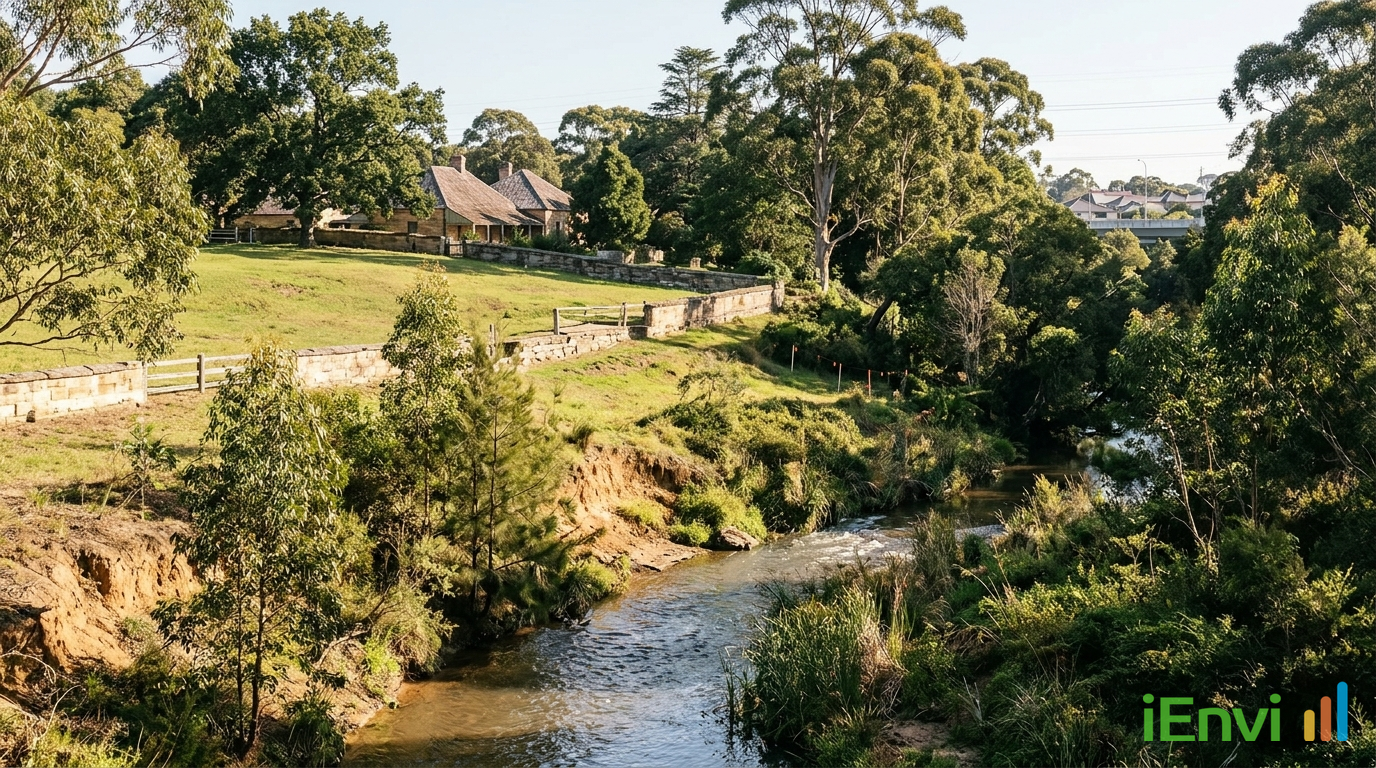
Parramatta’s Colonial Farms were added to Australia’s National Heritage List on 5 November 2026. The announcement was made jointly by the Commonwealth Minister for the Environment and Water, Murray Watt, and the Member for Parramatta, Dr Andrew Charlton. The listing covers Elizabeth Farm, Hambledon Cottage, Experiment Farm Cottage and the Clay Cliff Creek corridor that links the three properties through Harris Park and Rosehill in western Sydney.
The listing makes the precinct a matter of national environmental significance (MNES) under the Environment Protection and Biodiversity Conservation Act 1999 (Cth) (EPBC Act). These places were already recognised at state and local level. They are now also protected by Commonwealth law. Any action likely to have a significant impact on the precinct’s National Heritage values needs Commonwealth approval, in addition to whatever consents are required under NSW planning and heritage legislation.
The change matters to developers, utility owners, councils, lawyers and environmental consultants working in Harris Park, Rosehill and the wider Parramatta area. The listing includes a creek corridor as well as the buildings. As a result, works that change local hydrology, such as bulk excavation, dewatering, stormwater reconfiguration and remediation, may need to be assessed against Commonwealth criteria. Before the listing, the heritage aspects of these works were dealt with under NSW law alone.
Key details: listed places and EPBC Act provisions
The National Heritage listing for Parramatta’s Colonial Farms covers three colonial properties and their surrounding landscape and riparian setting along Clay Cliff Creek. According to the joint media release, the listed components are:
- Elizabeth Farm, built in 1793. It is described as Australia’s oldest surviving colonial dwelling and the place where John and Elizabeth Macarthur established the Australian merino wool industry.
- Hambledon Cottage, a rare surviving colonial bungalow built in 1824 as an extension and guesthouse to the Elizabeth Farm estate.
- Experiment Farm Cottage, on the site of the first European land grant in New South Wales. The grant was made to James Ruse in 1792 to demonstrate that private agriculture could achieve self-sufficiency.
- The Clay Cliff Creek corridor, the hydrological link between the properties. The listing recognises it as a key water source for early agricultural operations.
According to the release, the listing followed a formal nomination and a community campaign that gathered more than 9,000 signatures. The release also states that the National Heritage List now contains more than 120 places across Australia, 32 of them in New South Wales. The listing makes the site’s managers and trustees eligible to apply for funding under the federal Australian Heritage Grants program for restoration and ongoing conservation management.
The enforcement provisions sit in sections 15B and 15C of the EPBC Act:
- Section 15B (civil penalties). A person who takes an action without approval that has, will have or is likely to have a significant impact on the National Heritage values of a National Heritage place is exposed to civil penalties.
- Section 15C (criminal offences). This section creates corresponding offences for the same conduct.
- Section 324C. This section establishes the National Heritage List itself.
The legal test is whether an action significantly impacts the listed values. It does not depend on where the action takes place. Works outside the mapped boundary can therefore still be caught, for example where they alter flows in a creek that forms part of the listed landscape.
Proponents decide whether to refer an action by self-assessing it against the Significant Impact Guidelines 1.1: Matters of National Environmental Significance. The research material accompanying the announcement names the following as activities that may need referral if they could significantly affect the heritage and landscape values, including the hydrology of the Clay Cliff Creek catchment:
- urban development
- utility upgrades
- changes to road corridors
- bulk excavation
- drainage reconfiguration
Referral decisions and compliance oversight sit with the Commonwealth regulator.
Australian context: EPBC Act, NSW planning and contaminated land frameworks
National Heritage listing creates a dual approval track for works in and around Harris Park and Rosehill. The NSW pathways remain in force:
- development consent under Part 4 of the Environmental Planning and Assessment Act 1979 (NSW)
- assessment of public infrastructure activities under Part 5 of the same Act
- permits under the Heritage Act 1977 (NSW)
None of these discharges the EPBC Act obligation. If a referral finds that a proposed action is a controlled action, the proponent needs Commonwealth approval as well as the NSW consents. Each process has its own information requirements and timeframes.
Contaminated land work in NSW is mostly governed by state instruments:
- the Contaminated Land Management Act 1997 (NSW)
- the State Environmental Planning Policy provisions on remediation of land
- the NSW EPA site auditor scheme
- the National Environment Protection (Assessment of Site Contamination) Measure, as amended in 2013 (NEPM 2013), which sets investigation levels and assessment methods
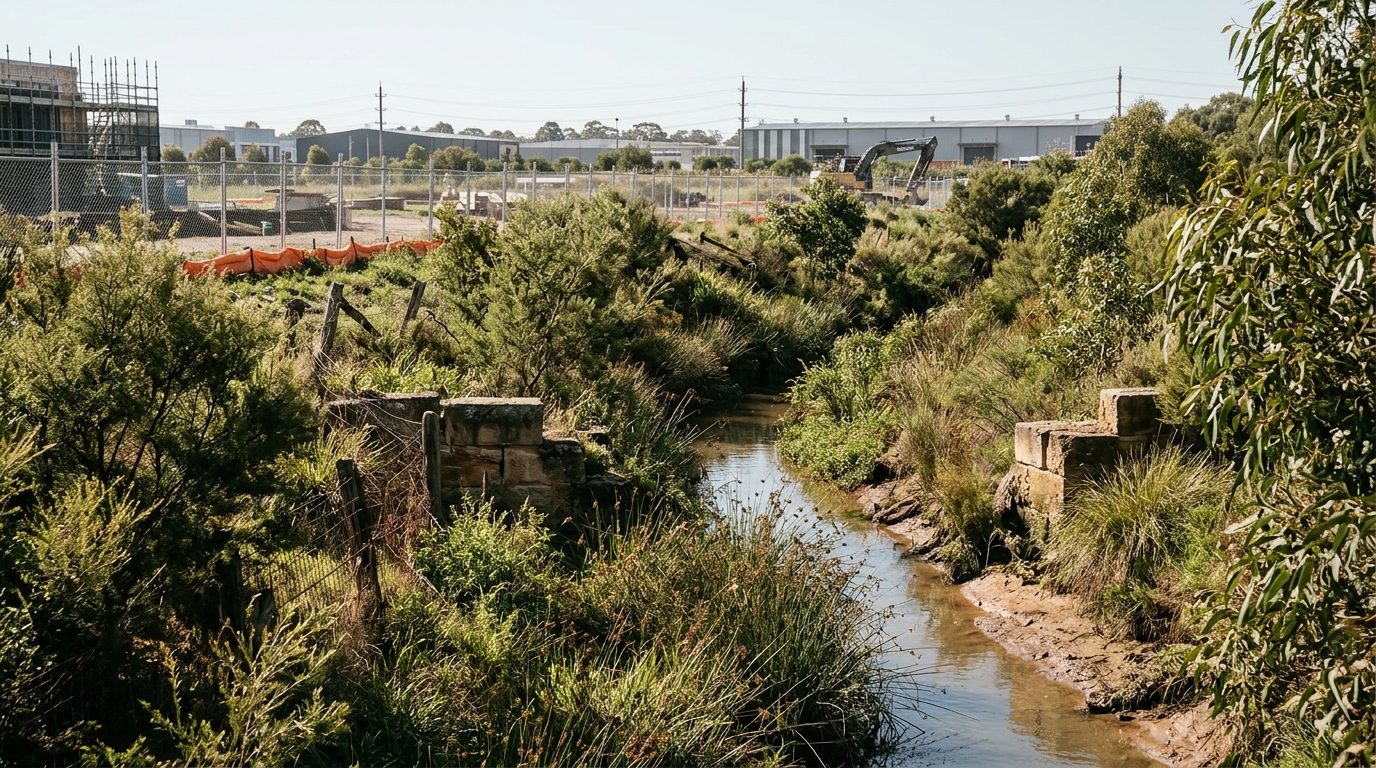
These frameworks deal with risks to human health and the environment from contamination. They do not ask whether remediation or development works could affect Commonwealth-listed heritage values. A remediation action plan that complies fully with NEPM 2013 and has been reviewed under the site auditor scheme may still involve excavation, dewatering or drainage changes that affect Clay Cliff Creek or the setting of the listed properties. Where those works are likely to have a significant impact on the National Heritage values, they need to be considered for referral under the EPBC Act, regardless of their status under NSW contaminated land law.
What this means for projects in Harris Park and Rosehill
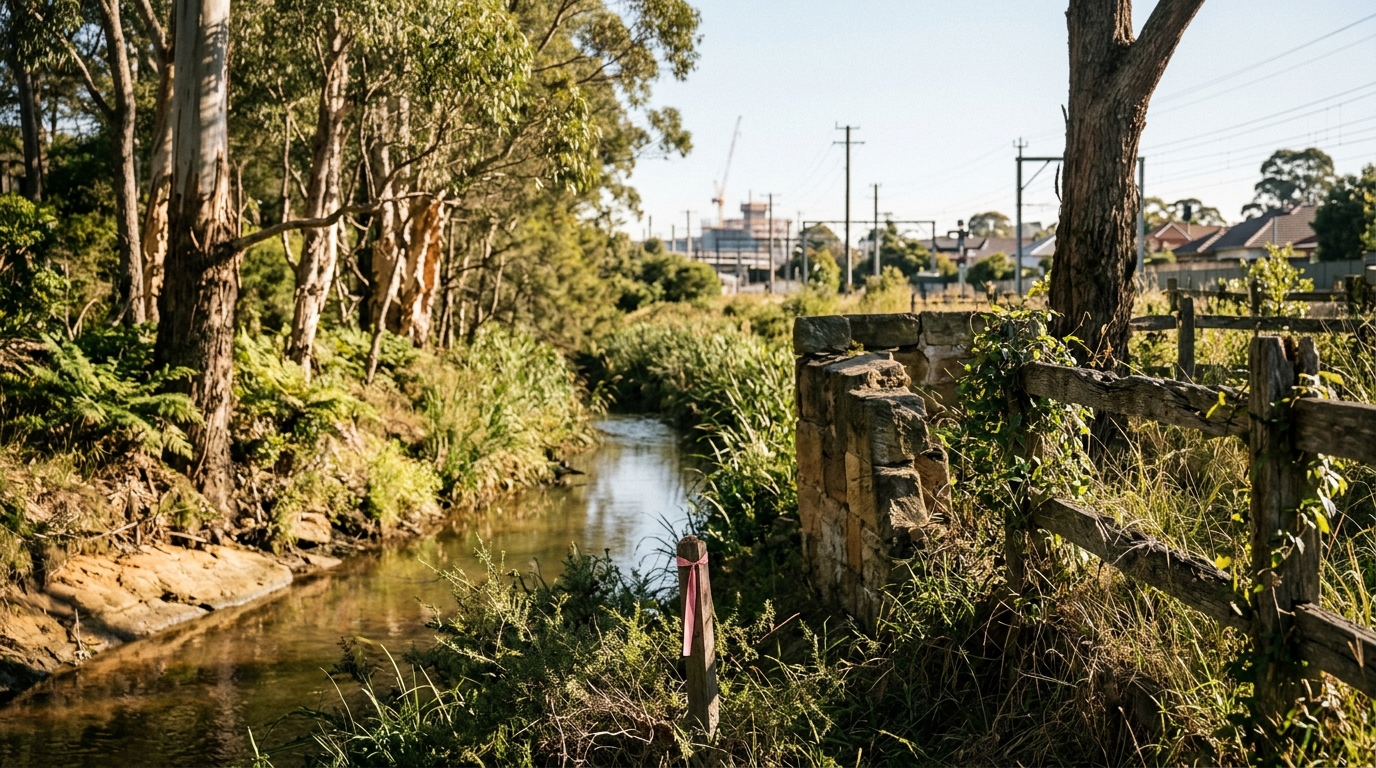
For proponents and consultants working near the precinct, the listing adds a Commonwealth check to project planning. Practical steps include:
- confirming whether a site is within or near the listed boundary, or within the Clay Cliff Creek catchment
- identifying works that could change creek flows, groundwater levels, drainage or the setting of the listed properties
- self-assessing those works against the Significant Impact Guidelines 1.1 early in the design stage and keeping a record of the reasoning
- allowing for Commonwealth referral and assessment timeframes in project programs, alongside NSW consents
Where it is unclear whether an action is likely to have a significant impact, proponents can seek legal advice or refer the action to the Commonwealth for a decision.
References and related sources
- Primary source: ozarab.media
- https://minister.dcceew.gov.au/watt/media-releases/joint-media-release-parramatt
- NEPM Assessment of Site Contamination
- EPBC Act
How iEnvi can help
iEnvi provides specialist consulting services relevant to this topic. Our team includes CEnvP Site Contamination Specialists with experience across contaminated land, groundwater, remediation, ecology, and regulatory compliance.
- iEnvi contaminated land services
- iEnvi remediation services
- iEnvi expert services and independent review services
This is an iEnvi Machete news summary. Prepared by iEnvi to summarise the source article for contaminated land, groundwater, remediation, approvals and site risk professionals.
Published: 06 Nov 2026
Need advice on this topic? Speak to an iEnvi expert at info@ienvi.com.au or 1300 043 684, or contact us online.
Need advice on this issue? iEnvi provides practical, senior-led environmental consulting across contaminated land, remediation, ecology and environmental risk.
Team credentials Contaminated land services Remediation services Groundwater services Talk to iEnvi