
Queensland Financial Provisioning Scheme Review: What the 2026 Reform Push Means for Mine Rehabilitation Liability
Overview of the Queensland Financial Provisioning Scheme (FPS)
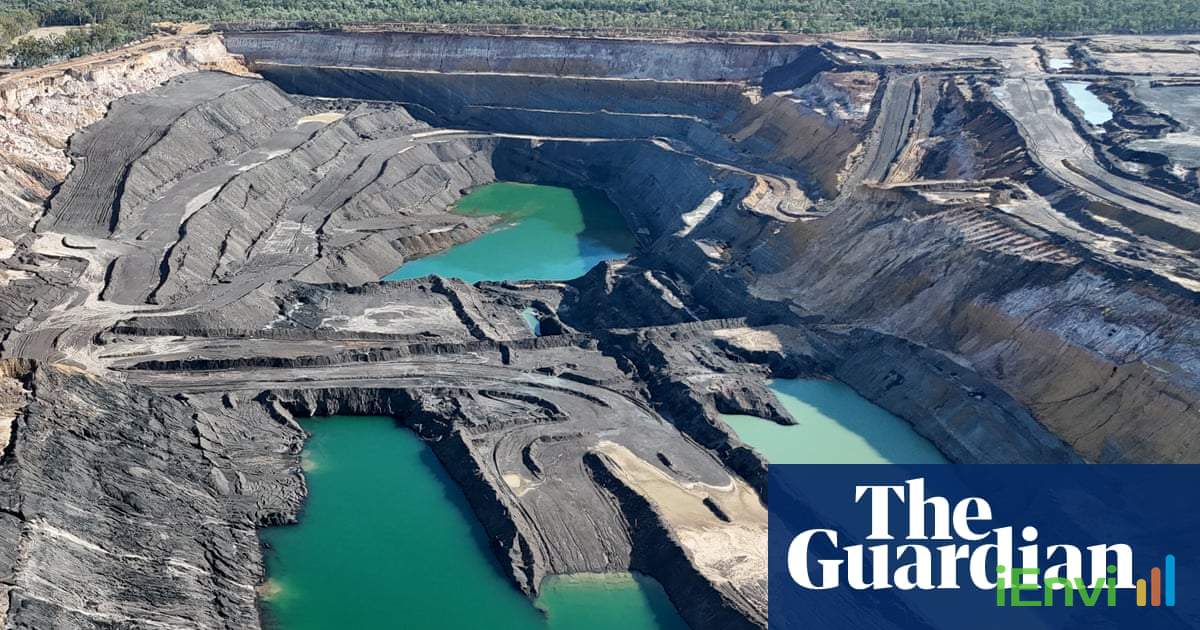
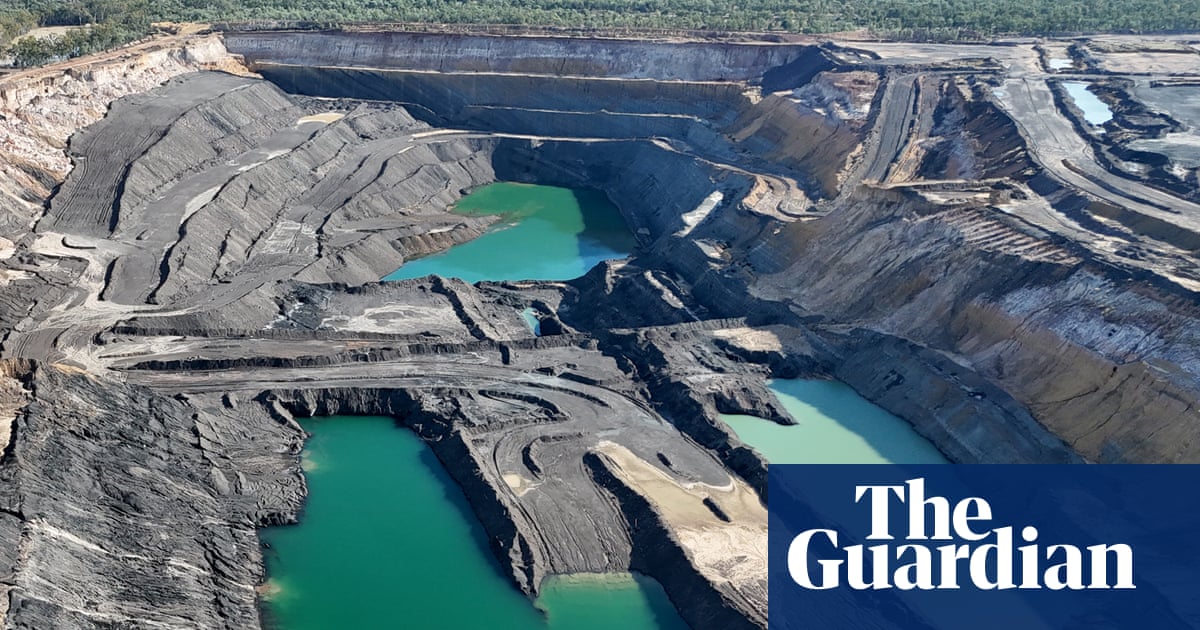
The Queensland Government formally launched a targeted review of the state’s Financial Provisioning Scheme (FPS) in July 2026, with Treasurer David Janetzki and Mining Minister Dale Last jointly announcing the initiative. The stated objective is to re-evaluate the policy settings and administrative arrangements governing how resource companies provide financial security for site rehabilitation, with a particular emphasis on reducing barriers for junior miners and explorers operating in the critical minerals space. The review sits against a deeply concerning backdrop: un-rehabilitated mined land in Queensland grew by 12 per cent between 2019 and 2024, a figure that highlights the scale of the legacy liability challenge the scheme was designed to prevent.
The FPS operates under the Mineral and Energy Resources (Financial Provisioning) Act 2018 (Qld) and requires resource companies to either provide individual financial surety, contribute to a collective government-managed fund, or satisfy a combination of both obligations. The fundamental purpose of the scheme is to ensure that the financial burden of mine site rehabilitation does not fall on Queensland taxpayers when an operator fails, is abandoned, or becomes insolvent. Announced in the context of a broader push to stimulate resources investment, the review has attracted sharply divergent responses: the Queensland Resources Council (QRC) has welcomed the initiative as a mechanism to unlock capital for critical minerals projects, while the Lock the Gate Alliance and agricultural groups have warned that relaxing financial provisioning requirements could expose landholders and the public to significant uncompensated rehabilitation costs.
For environmental professionals, contaminated land practitioners, and the developers, financiers, and legal advisers who rely on their work, this review is not a peripheral policy exercise. The FPS directly governs how estimated rehabilitation costs are calculated, how financial assurance is structured in resource asset transactions, and how progressive rehabilitation and closure planning obligations are discharged. Any material change to the scheme’s risk-category allocations, surety thresholds, or fund contribution rates will flow directly into project economics, transaction warranties, and long-term environmental liability assessments across Queensland’s resource sector.
Key details of the Queensland FPS review and its regulatory foundations
The Financial Provisioning Scheme was established under the Mineral and Energy Resources (Financial Provisioning) Act 2018 (Qld) and is administered in conjunction with the Environmental Protection Act 1994 (Qld), which governs the underlying rehabilitation obligations attached to resource authorities. Under the current framework, each resource company is assigned to a risk category that determines the proportion of its Estimated Rehabilitation Cost (ERC) it must cover through individual surety instruments, such as bank guarantees or bonds, versus contributions to the collective scheme fund. Higher-risk operators are typically required to hold a greater proportion of their ERC in direct surety. The ERC is a legislatively defined estimate of the full cost to rehabilitate a site to an approved standard if the operator were to cease operations immediately.
The 12 per cent growth in un-rehabilitated mined land between 2019 and 2024 is a specific and measurable indicator that progressive rehabilitation obligations have not been met consistently across the industry during that period. This figure is particularly significant because it occurred under the existing FPS framework, suggesting that the scheme’s current settings have not been sufficient to prevent the accumulation of deferred rehabilitation liability. The Lock the Gate Alliance has specifically highlighted that smaller operators, including junior miners and explorers, represent the highest risk of site abandonment, given their typically limited balance sheets, dependence on commodity price cycles, and reduced capacity to maintain surety instruments through periods of low activity or financial stress.
The review announced by Treasurer Janetzki and Minister Last is described as targeted, meaning it is intended to focus on specific policy levers rather than a wholesale overhaul of the legislative architecture. The identified areas of examination include the administrative arrangements for managing scheme contributions, the settings that determine risk-category allocation, and the overall regulatory burden on smaller operators. No specific proposed changes to ERC methodology or surety thresholds have been formally published at the time of writing, but the directional intent, reducing barriers for junior miners, signals that the recalibration is likely to favour reduced upfront financial provisioning requirements for lower-capitalised operators, which is precisely the cohort identified as the highest abandonment risk.
Under the Environmental Protection Act 1994 (Qld), resource operators are required to prepare and comply with Progressive Rehabilitation and Closure Plans (PRCPs), which set out milestone-based rehabilitation obligations tied to the operational life of the resource authority. The PRCP framework is designed to ensure that rehabilitation progresses concurrently with disturbance, rather than being deferred entirely to the end of mine life. The FPS provides the financial backstop for those obligations. Any weakening of the financial provisioning settings without a corresponding strengthening of PRCP compliance and monitoring would, in practical terms, increase the risk exposure borne by the Queensland government and ultimately by taxpayers.
References and related sources
- Primary source: www.theguardian.com
- hopgoodganim.com.au
- business.qld.gov.au
- industryqld.com.au
How iEnvi can help
iEnvi provides specialist consulting services relevant to this topic. Our team includes CEnvP Site Contamination Specialists with experience across contaminated land, groundwater, remediation, ecology, and regulatory compliance.
- iEnvi contaminated land services
- iEnvi remediation and validation services
- iEnvi expert services and independent review services
This is an iEnvi Machete news summary. Prepared by iEnvi to summarise the source article for contaminated land, groundwater, remediation, approvals and site risk professionals.
Published: 06 Jul 2026
Need advice on this topic? Speak to an iEnvi expert at info@ienvi.com.au or 1300 043 684, or contact us online.
Need advice on this issue? iEnvi provides practical, senior-led environmental consulting across contaminated land, remediation, ecology and environmental risk.
Team credentials Contaminated land services Remediation services Groundwater services Talk to iEnvi