
Overview
The recent legislative shift in Queensland represents a significant divergence in Australian energy and environmental policy. By repealing the legislated renewable energy targets, which previously mandated an 80 percent renewable energy contribution by 2035, and formalising the extension of state-owned coal-fired power stations to at least 2046, the newly elected state government has fundamentally altered the regulatory landscape for developers, environmental planners, and infrastructure financiers. This sudden policy pivot introduces immediate challenges for project planning, environmental compliance, and long-term corporate decarbonisation strategies in what remains Australia’s highest-emitting jurisdiction.
For environmental consultants, legal counsel, and municipal authorities, this pivot highlights the volatility of state-level climate policies and the risk of regulatory divergence across Australia. While other states continue to accelerate their transition towards renewable energy grid integration, Queensland’s decision to maintain its coal fleet creates a highly bifurcated national market. The policy change directly impacts how developers model project viability, how legal advisors draft due diligence covenants, and how local councils assess large-scale energy and industrial proposals.
Furthermore, this regulatory turnaround has profound implications for corporate carbon accounting and environmental, social, and governance compliance. In an era where commercial enterprises face increasing pressure to demonstrate progress toward net-zero targets, the prolonged reliance on coal-fired generation in Queensland will keep the state’s grid emissions intensity high. Consequently, businesses operating within Queensland will find it increasingly difficult to rely on passive grid decarbonisation to meet their Scope 2 emissions reduction targets, necessitating a more proactive, capital-intensive approach to energy procurement and environmental compliance.
Key details
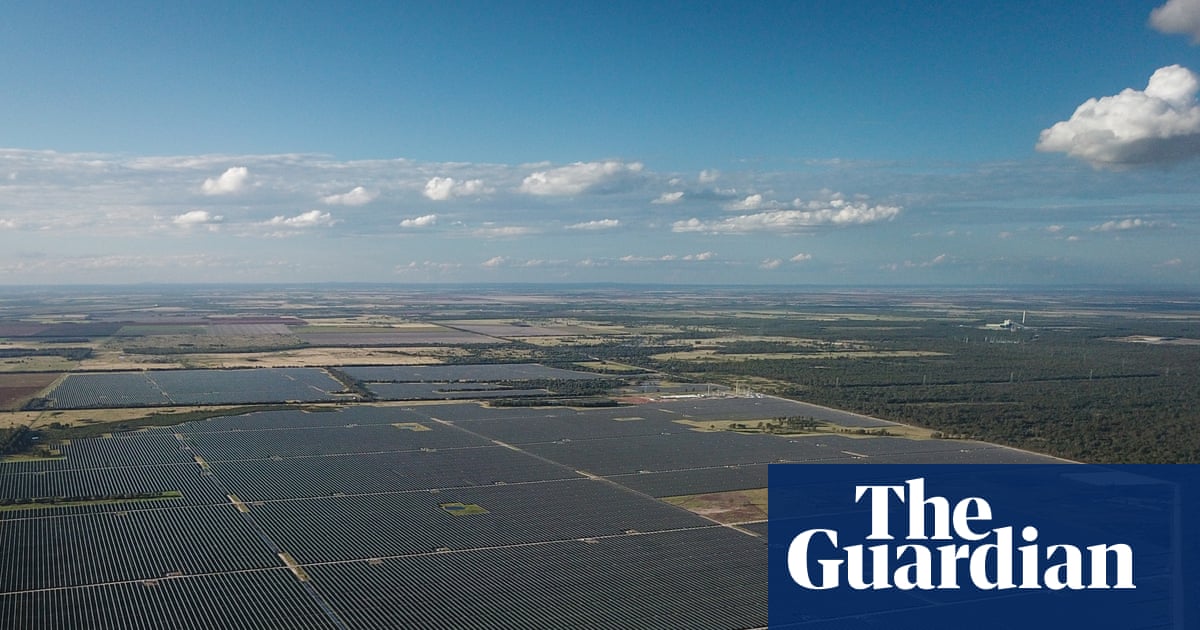
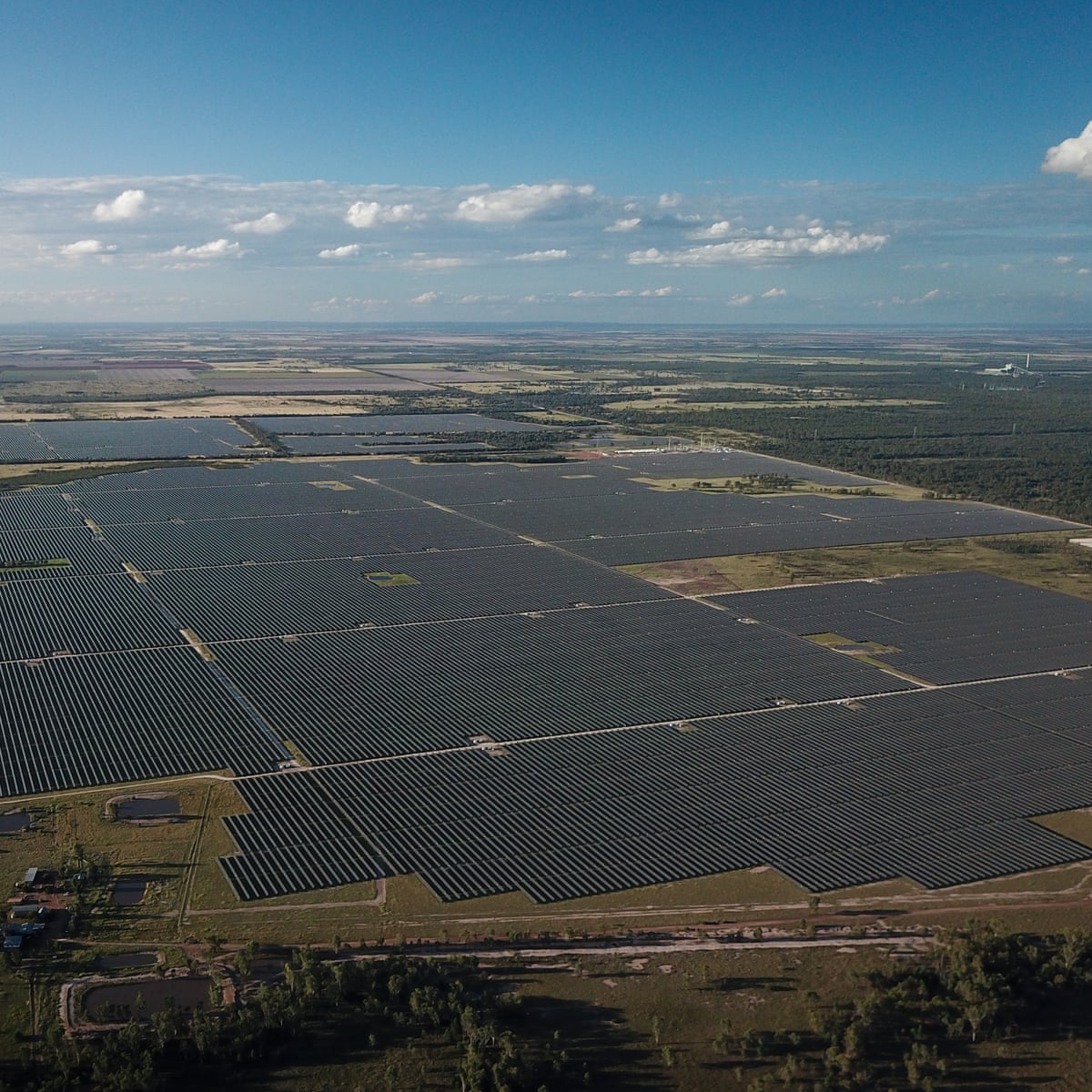
To understand the scale of this policy shift, one must examine the underlying data and technical specifics of Queensland’s energy market. The state’s renewable energy capacity addition has experienced a sharp contraction, with committed or commissioned large-scale projects falling from 3,202 megawatts to just 510 megawatts. This dramatic decline reflects a broader capital flight as investors and developers react to the sudden removal of legislated state support and the introduction of policy uncertainty. The decision to extend the operational life of state-owned coal assets to 2046 means that ageing thermal generation will remain the cornerstone of the state’s electricity network for the next two decades, directly competing against unsubsidised clean energy projects and altering the economic calculations for grid-connected operations.
The environmental implications of this decision are closely tied to Queensland’s greenhouse gas emissions profile. Queensland currently contributes approximately one-fifth of Australia’s total national greenhouse gas emissions, making it the highest-emitting state in the country. Although official state datasets indicate a 34 percent reduction in total emissions between the baseline year of 2005 and 2023, a granular analysis reveals that this decrease is almost entirely attributable to changes in Land Use, Land-Use Change, and Forestry (LULUCF) accounting, specifically reduced land clearing rates and increased forest cover. When LULUCF figures are excluded from the carbon accounting matrix, emissions across Queensland’s transport, industrial, energy, and mining sectors have actually increased over the same 2005 to 2023 period, highlighting a lack of systemic decarbonisation in industrial processes.
Adding to these domestic policy shifts is a persistent bottleneck in federal environmental approvals under the Environment Protection and Biodiversity Conservation Act 1999 (EPBC Act). Approximately 75 percent of all Queensland renewable energy projects referred under the EPBC Act since 2021 remain stuck in the federal assessment system. This administrative backlog, combined with the state-level repeal of the 80 percent renewable target by 2035, has created a compounding barrier for clean energy developers. Projects that are delayed at the federal level must now also contend with a state grid that will remain dominated by subsidised coal generation, eroding the financial assumptions and grid-connection priorities that underwrote initial project feasibility studies.
Australian context
The policy changes in Queensland present a striking contrast to the federal environmental policy framework and the regulatory directions of other Australian states. Under the federal Climate Change Act 2022, Australia is committed to a legislated target of a 43 percent reduction in greenhouse gas emissions below 2005 levels by 2030, alongside a net-zero target by 2050. Queensland’s extension of coal power to 2046 and the abandonment of its interim state renewable targets complicate the national strategy, as the federal government relies heavily on rapid grid transition across all major states to meet its international obligations under the Paris Agreement. This creates a regulatory friction point between state-level generation policies and federal emissions reduction mandates.
This divergence is also highly relevant to the implementation of Australia’s new mandatory climate-related financial disclosure regime, introduced under the Treasury Laws Amendment (Financial Market Infrastructure and Other Measures) Act 2024. Under this framework, large Australian corporations, including many site developers, resources companies, and major energy consumers, must progressively report their Scope 1, Scope 2, and material Scope 3 emissions, alongside climate-related risks and opportunities. Because Queensland’s grid emissions intensity is projected to remain high, corporate energy buyers operating in the state will face greater challenges meeting their Scope 2 reduction targets and will need to pursue direct renewable procurement, such as power purchase agreements, to demonstrate credible progress under the new disclosure rules.
References and related sources
- Primary source: www.theguardian.com
- NEPM Assessment of Site Contamination
- EPBC Act
How iEnvi can help
iEnvi provides specialist consulting services relevant to this topic. Our team includes CEnvP Site Contamination Specialists with experience across contaminated land, groundwater, remediation, ecology, and regulatory compliance.
- iEnvi contaminated land investigation services
- iEnvi remediation and validation services
- iEnvi expert services and independent review services
This is an iEnvi Machete news summary. Prepared by iEnvi to summarise the source article for contaminated land, groundwater, remediation, approvals and site risk professionals.
Published: 17 Jun 2026
Need advice on this topic? Speak to an iEnvi expert at info@ienvi.com.au or 1300 043 684, or contact us online.
Need advice on this issue? iEnvi provides practical, senior-led environmental consulting across contaminated land, remediation, ecology and environmental risk.
Team credentials Contaminated land services Remediation services Groundwater services Talk to iEnvi