
Overview
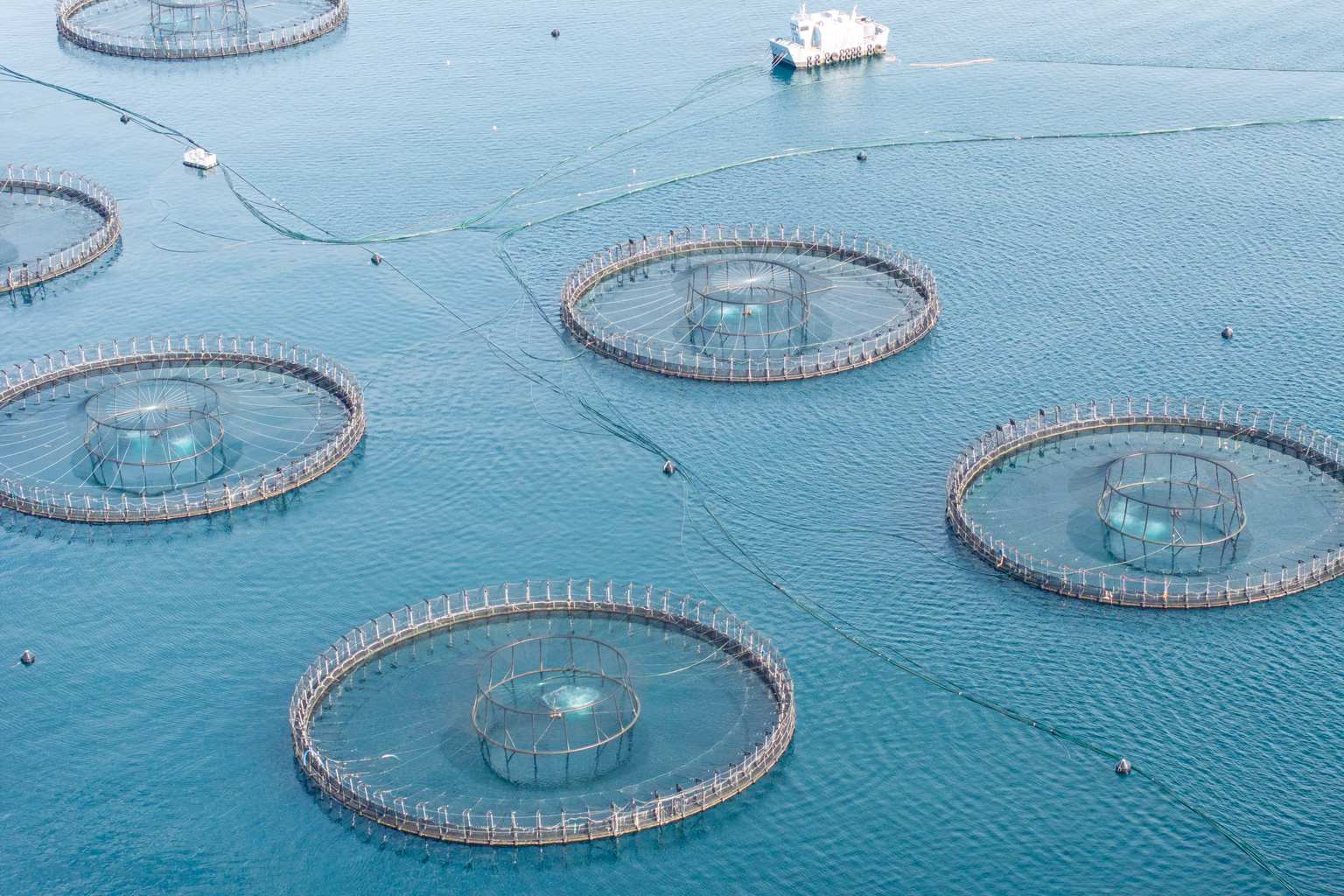
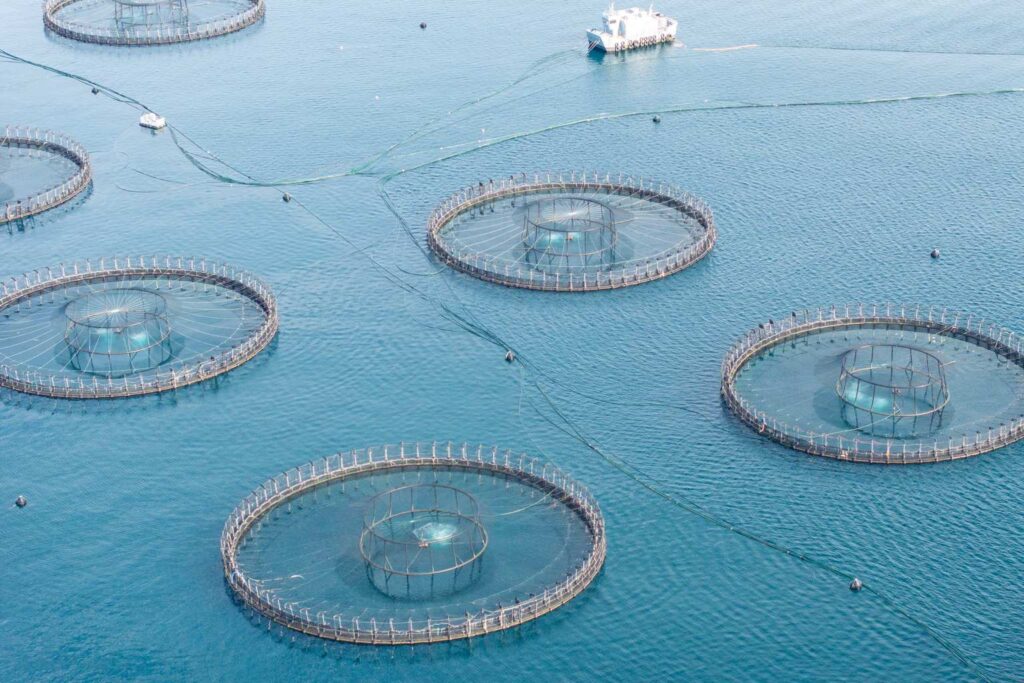
The release of data by the Environment Protection Authority of Tasmania on 17 April 2026 has exposed a severe biological and environmental crisis in the state’s open-water aquaculture sector. According to the official monthly figures, more than 9,000 tonnes of farmed Atlantic salmon died in sea pens during the first three months of 2026. This scale of mortality represents approximately 12 per cent of the entire Tasmanian salmon industry’s annual production volume. The fatalities occurred despite the extensive deployment of veterinary pharmaceuticals, specifically the broad-spectrum antibiotic florfenicol, under emergency permits designed to arrest the spread of endemic bacterial pathogens.
For Australian environmental consultants, regulators, planning lawyers, and coastal developers, this is a significant development in marine environmental management. The scale of the biosecurity failure, coupled with the subsequent regulatory intervention by federal authorities, signals a profound shift in how open-water agricultural activities will be assessed and monitored. Historically, the environmental regulation of marine farming has focused predominantly on organic loading, nutrient enrichment, and localised dissolved oxygen depletion. The Q1 2026 data, however, highlights the complex interface between intensive animal husbandry, pathogen dynamics, and chemical pollution in public waterways.
As political and community scrutiny intensifies, the regulatory framework governing coastal aquaculture is undergoing rapid transformation. Practitioners must recognise that traditional compliance paradigms, which relied heavily on routine water column monitoring and reactive veterinary intervention, are no longer sufficient to satisfy statutory obligations or community expectations. The intersection of mass biological mortality with the off-target detection of treatment chemicals requires a more sophisticated, ecosystem-based approach to environmental impact assessment and operational risk management.
Key details
The temporal distribution of the mortalities during the first quarter of 2026 reveals a highly anomalous epidemiological pattern. The Environment Protection Authority data indicates that 2,025 tonnes of salmon died in January, rising to 3,356 tonnes in February, and peaking at 3,816 tonnes in March. Under normal operational conditions, Tasmanian salmon mortality rates peak during the height of summer in December and January, when elevated water temperatures induce physiological stress and lower dissolved oxygen levels. As autumn approaches and water temperatures decline, mortality rates typically subside. The progressive increase in deaths through February and March 2026 indicates that environmental temperature stress was not the sole or primary driver of the event, pointing instead to a virulent, systemic disease outbreak within the containment pens.
The primary biological driver of this mortality event was the endemic bacterium Piscirickettsia salmonis, the causative agent of piscirickettsiosis. To combat this pathogen, operators secured emergency permits for the administration of florfenicol, a fluorinated derivative of thiamphenicol. Florfenicol is a potent veterinary antibiotic that inhibits bacterial protein synthesis by binding to the 50S ribosomal subunit. Because open-water sea pens are porous structures, the administration of antibiotics via medicated feed inevitably results in the release of active chemical compounds into the surrounding marine environment through uneaten feed pellets and fish faeces.
In response to the escalating chemical footprint, the Australian Pesticides and Veterinary Medicines Authority took decisive action in February 2026 by suspending the emergency permit for florfenicol. This regulatory suspension was triggered by empirical monitoring data showing detectable levels of florfenicol residues in the marine water column, benthic sediments, and wild, non-target marine species outside the designated aquaculture lease zones. The environmental persistence of florfenicol in marine sediments is highly dependent on local physical and chemical conditions. Under anaerobic, low-temperature conditions typical of the benthic boundary layer beneath high-density sea pens, the half-life of florfenicol can extend significantly, presenting a prolonged exposure risk to benthic invertebrates and microbial communities.
The suspension of the emergency permit highlights the inherent risks of relying on chemical interventions to manage systemic biological failures. When the primary chemical defence pathway was removed, mortality rates escalated, culminating in the 3,816 tonnes of losses recorded in March. This sequence of events demonstrates the fragile nature of high-density aquaculture systems operating at or near the ecological carrying capacity of their receiving environments, where the withdrawal of a single regulatory concession can lead to catastrophic operational and environmental outcomes.
Australian context
The events in Tasmania carry profound implications for the interpretation and enforcement of environmental protection legislation across Australia. In Tasmania, the primary legislative instrument is the Environmental Management and Pollution Control Act 1994, which places a statutory duty on operators to prevent or minimise environmental harm. The detection of veterinary pharmaceutical residues in non-target wild species outside of lease boundaries constitutes a potential breach of licence conditions and may be interpreted as material environmental harm under the Act. This precedent will undoubtedly influence how state regulators, including the Environmental Protection Authority of Tasmania, draft future licence conditions and environmental protection notices.
Nationally, the management of water quality is guided by the Australian and New Zealand Guidelines for Fresh and Marine Water Quality (ANZG 2018), which provide the default benchmarks for assessing the ecological condition of receiving waters and informing licence conditions for discharges from aquaculture operations.
References and related sources
- Primary source: pulsetasmania.com.au
How iEnvi can help
iEnvi provides specialist consulting services relevant to this topic. Our team includes CEnvP Site Contamination Specialists with experience across contaminated land, groundwater, remediation, ecology, and regulatory compliance.
- iEnvi contaminated land investigation services
- iEnvi remediation and validation services
- iEnvi expert services and independent review services
This is an iEnvi Machete news summary. Prepared by iEnvi to summarise the source article for contaminated land, groundwater, remediation, approvals and site risk professionals.
Published: 17 Jun 2026
Need advice on this topic? Speak to an iEnvi expert at info@ienvi.com.au or 1300 043 684, or contact us online.
Need advice on this issue? iEnvi provides practical, senior-led environmental consulting across contaminated land, remediation, ecology and environmental risk.
Team credentials Contaminated land services Remediation services Groundwater services Talk to iEnvi