
Open-weight AI policy debate: what the “Open Weights and American AI Leadership” letter means for professional services
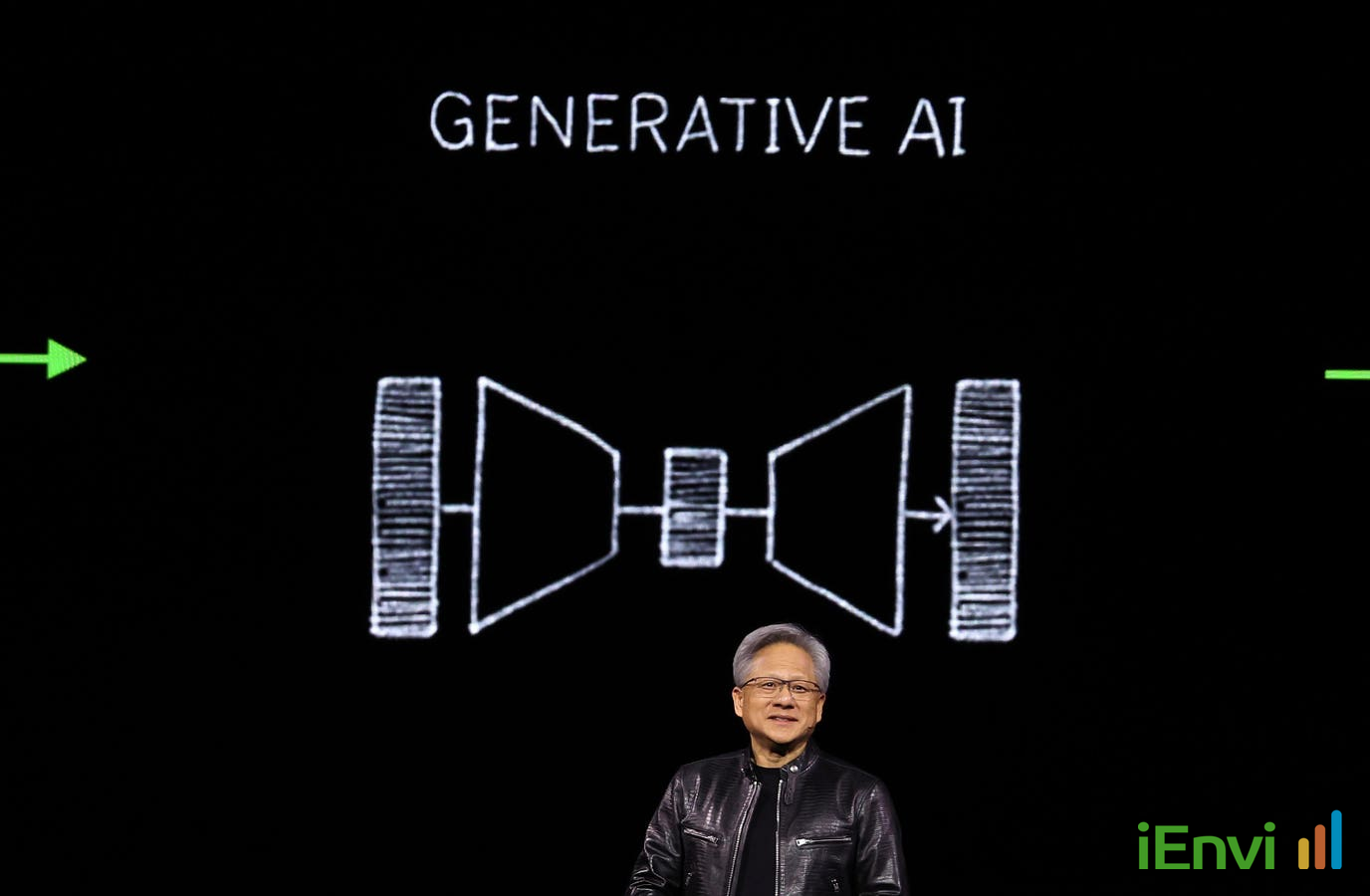
On 24 July 2026, a coalition of fifty major technology companies published a joint policy statement titled “Open Weights and American AI Leadership”, urging Washington to refrain from imposing restrictions on downloadable, open-weight artificial intelligence models. The letter was championed by NVIDIA CEO Jensen Huang, who used what was reportedly his first post on X (formerly Twitter) to share and endorse the statement. The signatory list doubled from 25 to 50 organisations within 24 hours, ultimately including NVIDIA, Meta, Microsoft, Google, AMD, Cisco, Cloudflare, Palantir, Mistral, and Hugging Face, alongside OpenAI. The speed and breadth of that mobilisation signals that this is not an organic grassroots movement but a coordinated industry response to what signatories perceive as an imminent regulatory threat.
The central argument of the letter is that restricting open-weight models would harm American technological competitiveness, reduce rather than improve safety outcomes, and hand market dominance to a handful of closed-model providers. Critically, two of the most prominent names in enterprise AI, Anthropic and Amazon, are absent from every version of the letter. That absence is not accidental. It reflects a genuine and deepening ideological divide between those who believe AI safety is best achieved through transparency and public auditability, and those who argue that proprietary guardrails and regulatory oversight are the more responsible path.
For professional services firms, including those operating in technical, regulated, and data-sensitive fields such as environmental consulting, engineering, law, and planning, this debate has immediate and practical consequences. The outcome will shape which AI tools organisations are legally and commercially able to deploy, how they manage client data sovereignty, and whether they remain dependent on unpredictable external API pricing models. Understanding the distinction between open-weight and closed-model AI is no longer an IT procurement question. It is a risk management and professional liability question.
Key details of the open-weight AI policy statement
Open-weight AI models are systems in which the trained parameters of a neural network, the numerical values that encode the model’s learned behaviour, are made publicly available for download. Organisations can run these models on their own servers or private cloud infrastructure without transmitting data to an external provider. This is technically and legally distinct from closed-model APIs, where a user sends a query to a third-party server, the model processes it remotely, and the response is returned. The policy letter centres on preserving the legal right to distribute and use models in this open-weight format without mandatory government licensing, reporting requirements, or outright prohibition.
The coalition framed open-weight models as a national security asset rather than a liability, drawing explicit parallels to the role open-source software played in building the secure backbone of the modern internet and the infrastructure of the United States military. The letter argues that public access to model weights enables a global community of researchers to audit systems, identify vulnerabilities, and develop decentralised defences more rapidly than any single closed-model laboratory could achieve internally. This “safety through transparency” argument directly counters the position held by Anthropic and other proponents of regulated, closed systems, who argue that unrestricted access to powerful model weights creates unacceptable proliferation risks.
The geopolitical dimension is central to the coalition’s case. Signatories cited the rapid development of international open-weight competitors, specifically referencing Chinese open-weight models such as those produced by Moonshot AI in its Kimi model line, as evidence that restrictions on American open-weight development would not reduce global access to these technologies. It would simply transfer leadership. Policymakers in Washington are actively weighing export controls and domestic restrictions on open-source AI models, making the timing of this letter deliberate. Jensen Huang’s public statement captured the coalition’s position directly: “AI will transform every industry, power every company, and be built by every country. Open models strengthen safety and cybersecurity, accelerate innovation and diffusion, and enable sovereignty. The world needs both frontier closed models and frontier open models.”
One significant caveat that critics have raised is what has been described informally as the “Paragraph Nine catch.” While the letter champions open weights, the primary organiser of the campaign, NVIDIA, continues to maintain strict proprietary control over CUDA, its software layer that sits between AI model code and the physical graphics processing units (GPUs) that run the computations. This means that even where model weights are freely available, the actual deployment capacity of those models remains dependent on a tightly controlled hardware and software ecosystem. The openness being advocated for is therefore partial. Enterprises adopting open-weight models must still navigate hardware consolidation, chip access constraints, and proprietary software dependencies that the letter does not address. Separately, Anthropic’s absence from the letter follows its reported decision to walk away from a USD 200 million Department of Defense contract extension because the military demanded the removal of Claude’s autonomous safety guardrails, a decision that illustrates the depth of the philosophical differences at play.
Australian context: data sovereignty, professional services, and the open AI debate
Australia does not currently have a direct equivalent to the United States legislative proposals targeting open-weight AI models. However, Australian organisations operating in regulated sectors are already navigating the practical consequences of this debate. The choice between open-weight and closed-model AI tools carries direct implications for compliance with the Privacy Act 1988, obligations under state and federal environmental legislation, and the data handling requirements embedded in professional indemnity frameworks. Firms that transmit client data to offshore closed-model APIs face a different risk profile to those running locally hosted open-weight models, and the regulatory trajectory in Washington will increasingly influence what options remain commercially and legally viable in the Australian market.
References and related sources
- Primary source: www.forbes.com
- nvidia.com
- indiatimes.com
- primexbt.com
- valueaddvc.com
How iEnvi can help
iEnvi integrates technology and data-driven approaches into environmental consulting. We monitor AI and technology developments that affect how environmental professionals deliver services to clients.
This is an iEnvi Machete news summary. Prepared by iEnvi to summarise the source article for environmental professionals tracking AI, data, and technology developments that affect consulting and project delivery.
Published: 26 Jul 2026
Need advice on this topic? Speak to an iEnvi expert at info@ienvi.com.au or 1300 043 684, or contact us online.
Need advice on this issue? iEnvi provides practical, senior-led environmental consulting across contaminated land, remediation, ecology and environmental risk.
Contaminated land advice Remediation services Discuss your site Talk to iEnvi