
AI-designed bacteriophages and biosecurity risks
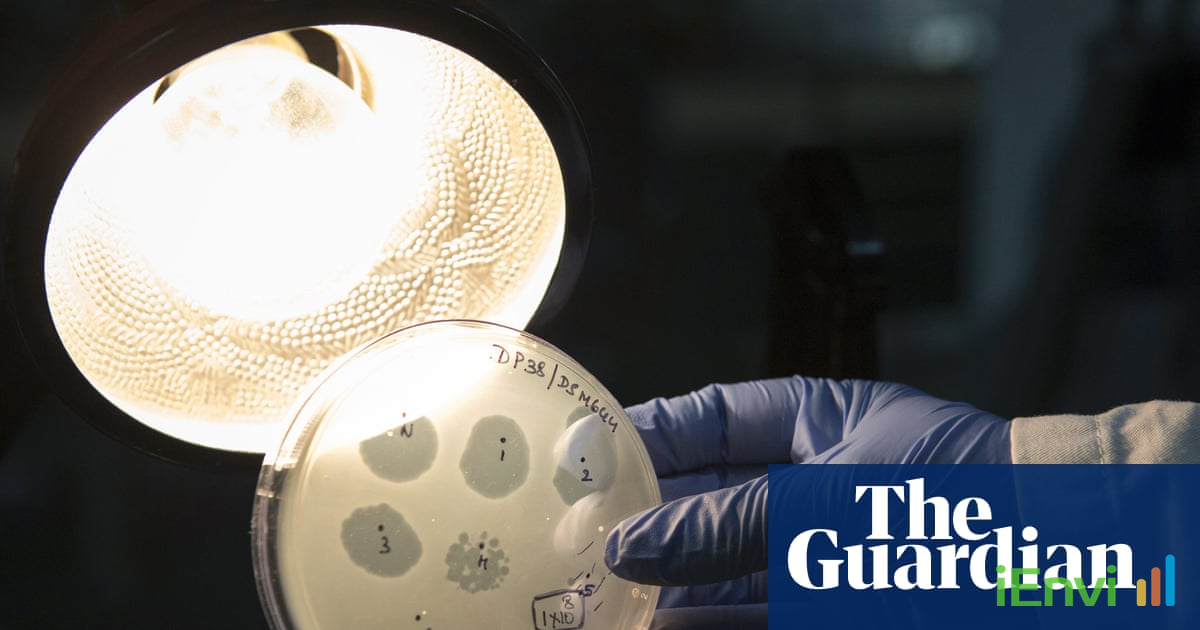
A team led by Stanford University chemical engineer Dr Brian Hie has published research in the journal Science describing the first functioning viruses designed entirely by generative artificial intelligence. The researchers used custom genomic language models, named Evo1 and Evo2, to write complete synthetic genomes for bacteriophages, which are specialised viruses that infect and destroy bacteria rather than human or animal cells. When these AI-generated genetic sequences were chemically synthesised in the laboratory, the resulting phages successfully eradicated strains of E. coli that had already developed resistance to both natural bacteriophages and conventional antibiotics.
This matters well beyond the medical research community. Environmental professionals, biotechnology firms, laboratory operators, and regulators are all watching how generative AI is moving from software and text generation into the physical design of living organisms. For consultancies and legal teams advising biotech tenants, laboratory landlords, and research facilities, the milestone signals that dual-use biosecurity risk has shifted from a theoretical governance discussion to an operational compliance question with immediate consequences.
The research was accompanied by a commentary in Science from Professor Tom Inglesby and Dr Moritz Hanke of the Johns Hopkins Center for Health Security, who framed the core tension plainly: the ability to compose viral genomes using generative AI now exists, but the governance to safely steer it does not. That gap between technical capability and regulatory readiness is the central issue for anyone whose work touches laboratory compliance, biosecurity risk assessment, or environmental due diligence involving biological hazards.
Synthetic biology capabilities and compliance implications
Evo1 and Evo2 are large generative models trained on extensive biological sequence datasets covering DNA, RNA, and protein structures across many species and taxa. Rather than predicting the next word in a sentence, as conventional large language models do, these systems treat genetic code as a biological language and generate complete, functional genomic sequences designed to perform a specified biological role. In this case, the target function was bacteriophage activity against a defined bacterial host.
The workflow described in the Science paper involved in silico design followed by physical validation. The AI models generated candidate genomes computationally, without any requirement for field sampling, environmental isolate collection, or the trial-and-error screening that traditionally underpins phage discovery. Researchers then chemically synthesised the designed genomes in a wet laboratory and tested them directly against drug-resistant E. coli. The resulting phage cocktail demonstrated complete viral replication and targeted bacterial destruction, confirming that the AI-authored sequences were not just plausible on paper but biologically functional.
Antimicrobial resistance, the broader problem this research is aimed at addressing, is projected to cause more than 10 million deaths annually by 2050 if current trends continue. Bacteriophage therapy has long been proposed as an alternative to antibiotics for resistant infections, but natural phage discovery is slow and often produces treatments that are effective against only a narrow range of bacterial strains. The Stanford result demonstrates that generative AI can compress years of discovery work into a design cycle measured in a fraction of that time, at least for this class of target organism.
The governance concern raised by Inglesby and Hanke is specific and technical rather than speculative. Their commentary notes that generative AI tools capable of composing functional viral genomes already exist in a usable form, while screening protocols at commercial DNA synthesis facilities, oversight of open-source biological foundation models, and international biosecurity frameworks have not kept pace. The practical risk they identify is that the same modelling approach used to design a beneficial phage could, in principle, be redirected to design sequences with harmful intent, and current safeguards were not built with this capability in mind.
Australian context: what this means for professional services and compliance
This is an international development rather than an Australian regulatory change, so there is no NEPM, state EPA guideline, or ANZG amendment to point to directly. Its relevance to Australian practice sits in the professional services and biosecurity compliance space rather than in contaminated land legislation. Australian biotechnology firms, university research laboratories, and firms operating under the Gene Technology Act 2000 and associated biosafety committee arrangements will need to consider how generative AI design tools interact with existing containment and approval frameworks that were largely written before this capability existed.
Laboratories and facilities that handle synthetic biology work, including those co-located with or adjacent to sites managed by environmental consultancies for unrelated contamination or planning purposes, will increasingly need documented protocols covering AI-assisted genome design, not just physical containment and waste handling. Commercial DNA synthesis providers operating in or servicing the Australian market are a key focus area for screening controls, mirroring the call from Johns Hopkins researchers for mandatory synthesis screening internationally.
For environmental and technical due diligence teams, the more immediate relevance is procedural rather than legislative. Any due diligence or facility risk assessment involving a laboratory, biotech tenancy, or research campus should now ask whether the operator uses generative genomic design tools, and if so, what biosecurity controls and approvals govern that work.
References and related sources
- Primary source: www.theguardian.com
- theguardian.com
- theguardian.com
How iEnvi can help
iEnvi integrates technology and data-driven approaches into environmental consulting. We monitor AI and technology developments that affect how environmental professionals deliver services to clients.
This is an iEnvi Machete news summary. Prepared by iEnvi to summarise the source article for environmental professionals tracking AI, data, and technology developments that affect consulting and project delivery.
Published: 08 Aug 2026
Need advice on this topic? Speak to an iEnvi expert at info@ienvi.com.au or 1300 043 684, or contact us online.
Need advice on this issue? iEnvi provides practical, senior-led environmental consulting across contaminated land, remediation, ecology and environmental risk.
Contaminated land services Environmental due diligence Talk to iEnvi