
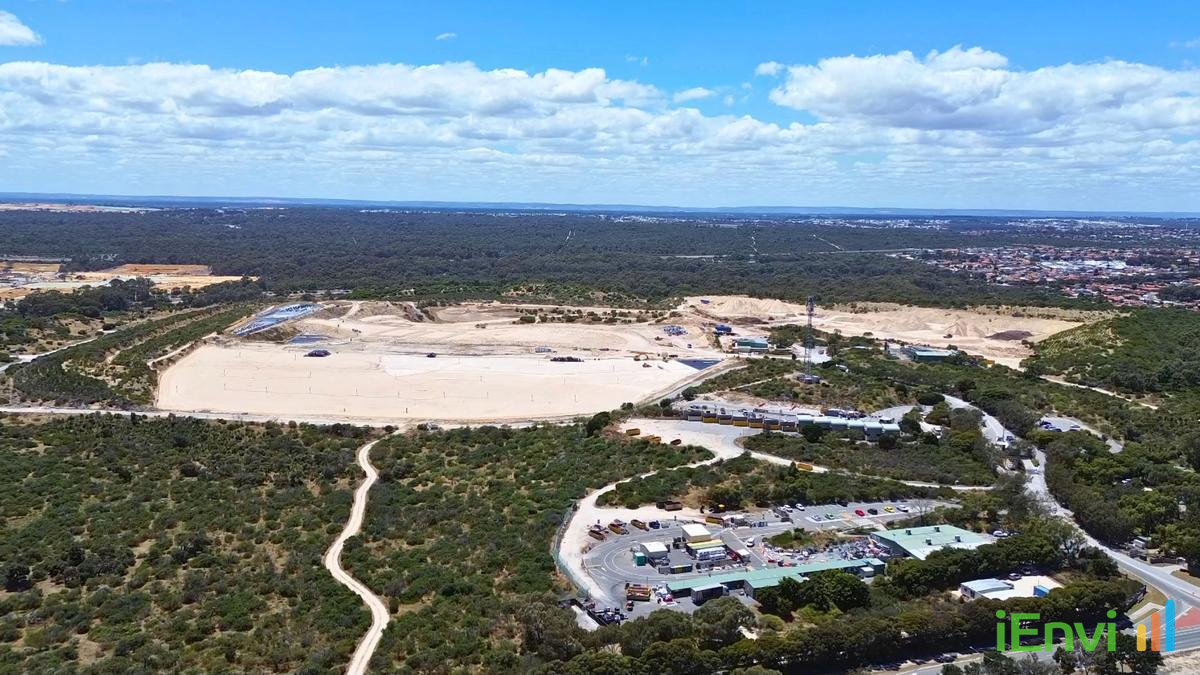
Overview of the Tamala Park Landfill Dispute
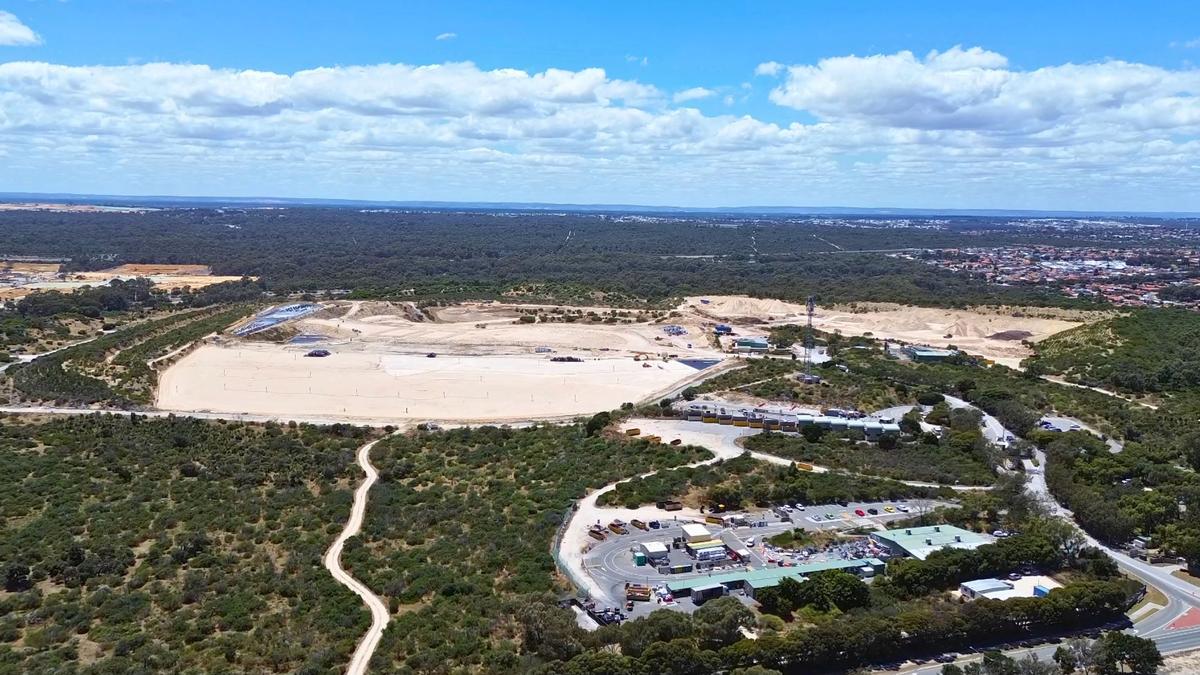
Perth’s Tamala Park Landfill is at the centre of an escalating governance and environmental dispute that cuts to the heart of how regional waste authorities manage the final years of large landfill assets. On 14 July 2024, the Town of Victoria Park formally called on the Western Australian State Government to expedite a decision on a works application submitted by the Mindarie Regional Council (MRC), the operator of the Tamala Park facility. That application has been sitting with the Department of Water and Environmental Regulation (DWER) for over a year without a determination. The application proposes the construction of a piggyback landfill cell and a dedicated leachate management area, works that are considered essential to allow the site to operate to its full licensed capacity before closure, now estimated to occur in 2028 to 2029.
The term “piggyback cell” refers to the construction of a new engineered barrier system, typically a composite liner, placed directly over the existing unlined waste mass. This approach is used to extend operational life within an existing footprint while simultaneously limiting rainwater infiltration through the underlying waste body. Without this intervention, increased leachate generation and the potential for groundwater contamination become more acute as the site nears its final configuration. The delay in regulatory approval is not a minor administrative inconvenience. For the member councils of MRC, which include Cities of Wanneroo, Joondalup, Stirling, and several others, the uncertainty creates cascading problems around waste diversion, post-closure financial provisioning, and long-term environmental liability.
The dispute is further complicated by the fact that not all member councils are aligned. Cities of Wanneroo and Joondalup have separately been pushing to fast-track the complete closure of Tamala Park, a position that directly conflicts with the approach advocated by four other member councils who support proceeding with the works. This split has drawn considerable attention because the outcome will shape not just the immediate operational future of Tamala Park, but the broader waste management strategy for Perth’s northern corridor for at least the next decade. For contaminated land professionals, local government planners, developers with landholdings near the site, and legal practitioners advising on environmental liability, the Tamala Park situation is an instructive case study in what happens when regulatory timelines, engineering risk, and inter-council governance collide.
Key details of the Tamala Park works application and regulatory delay
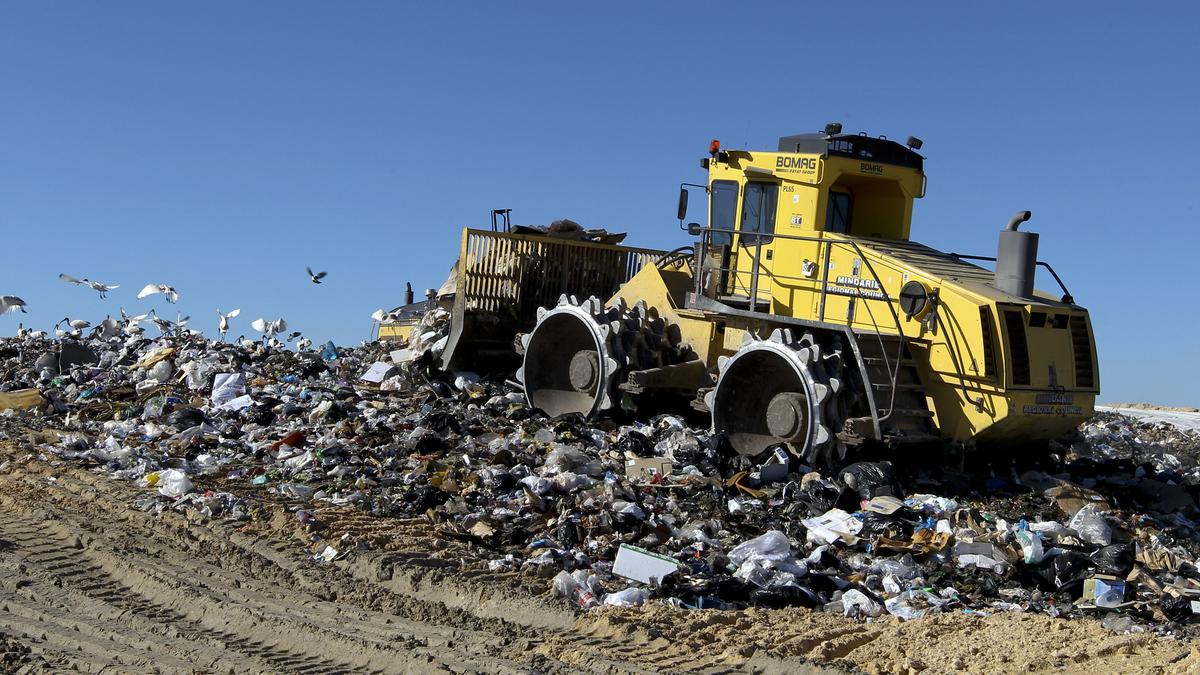
The Tamala Park Landfill is operated by the Mindarie Regional Council, a regional local government authority established specifically to manage waste for its member councils across Perth’s northern suburbs. The facility has been in operation for decades and is now approaching the upper limit of its licensed waste volume. The site is currently operating without the piggyback cell in place, meaning that rainfall continues to percolate through sections of the exposed and unlined legacy waste mass, generating leachate that requires ongoing collection, treatment, and disposal. The proposed works application before DWER seeks approval to install a modern engineered composite liner system over the existing waste footprint, creating a new operating cell that would function both as a cap for the legacy waste below and as an active disposal area for incoming waste streams.
A piggyback cell design presents specific geotechnical and environmental engineering challenges that DWER would need to assess carefully before granting approval. Differential settlement is a primary concern. The underlying waste mass at an older landfill is typically heterogeneous in composition and degree of decomposition, meaning that the rate at which different zones compress and settle under the new liner load will vary considerably. Uneven settlement creates tensile stress in the liner membrane, which can propagate tears or compromise seam integrity. If the liner is breached, leachate from the active new cell can migrate downward into the older, unlined waste zone, potentially mobilising a broader suite of contaminants toward the underlying groundwater. This is precisely the scenario that the leachate management area, the other component of the works application, is designed to intercept and control.
The Town of Victoria Park’s statement of 14 July 2024 noted that the application has been with DWER for over 12 months without a determination. In parliamentary records from 16 June 2024, the matter was raised in the Western Australian Parliament, indicating that the regulatory delay had already escalated to a point where elected members were seeking answers. The four member councils supporting the works have argued that without approval, the site faces a premature closure scenario that would leave the region without adequate waste disposal capacity while alternative infrastructure is still years away from being operational. Premature closure would also trigger immediate post-closure obligations under the MRC’s environmental licence, including long-term groundwater monitoring, landfill gas management, and leachate collection, costs that would be borne by member councils well ahead of their financial planning cycles.
By contrast, Wanneroo and Joondalup’s position to fast-track closure reflects a different risk calculus. Their argument, at least in part, is that continuing to operate the site expands the ultimate footprint of contamination risk and that earlier closure, paired with prompt post-closure capping and monitoring, may reduce long-term liability. The tension between these two positions is not unique to Tamala Park. It is a well-recognised dilemma in landfill asset management globally, where the costs and risks of continued operation must be weighed against the financial and environmental consequences of an earlier, potentially disorderly exit from service.
References and related sources
- Primary source: www.victoriapark.wa.gov.au
- parliament.wa.gov.au
- perthnow.com.au
- perthnow.com.au
How iEnvi can help
iEnvi provides specialist consulting services relevant to this topic. Our team includes CEnvP Site Contamination Specialists with experience across contaminated land, groundwater, remediation, ecology, and regulatory compliance.
- iEnvi remediation services
- iEnvi groundwater services
- iEnvi expert services and independent review services
This is an iEnvi Machete news summary. Prepared by iEnvi to summarise the source article for contaminated land, groundwater, remediation, approvals and site risk professionals.
Published: 15 Jul 2026
Need advice on this topic? Speak to an iEnvi expert at info@ienvi.com.au or 1300 043 684, or contact us online.
Need advice on this issue? iEnvi provides practical, senior-led environmental consulting across contaminated land, remediation, ecology and environmental risk.
Team credentials Contaminated land services Remediation services Groundwater services Talk to iEnvi