
Tasmanian Legislation Repeals Legacy Mt Lyell Act
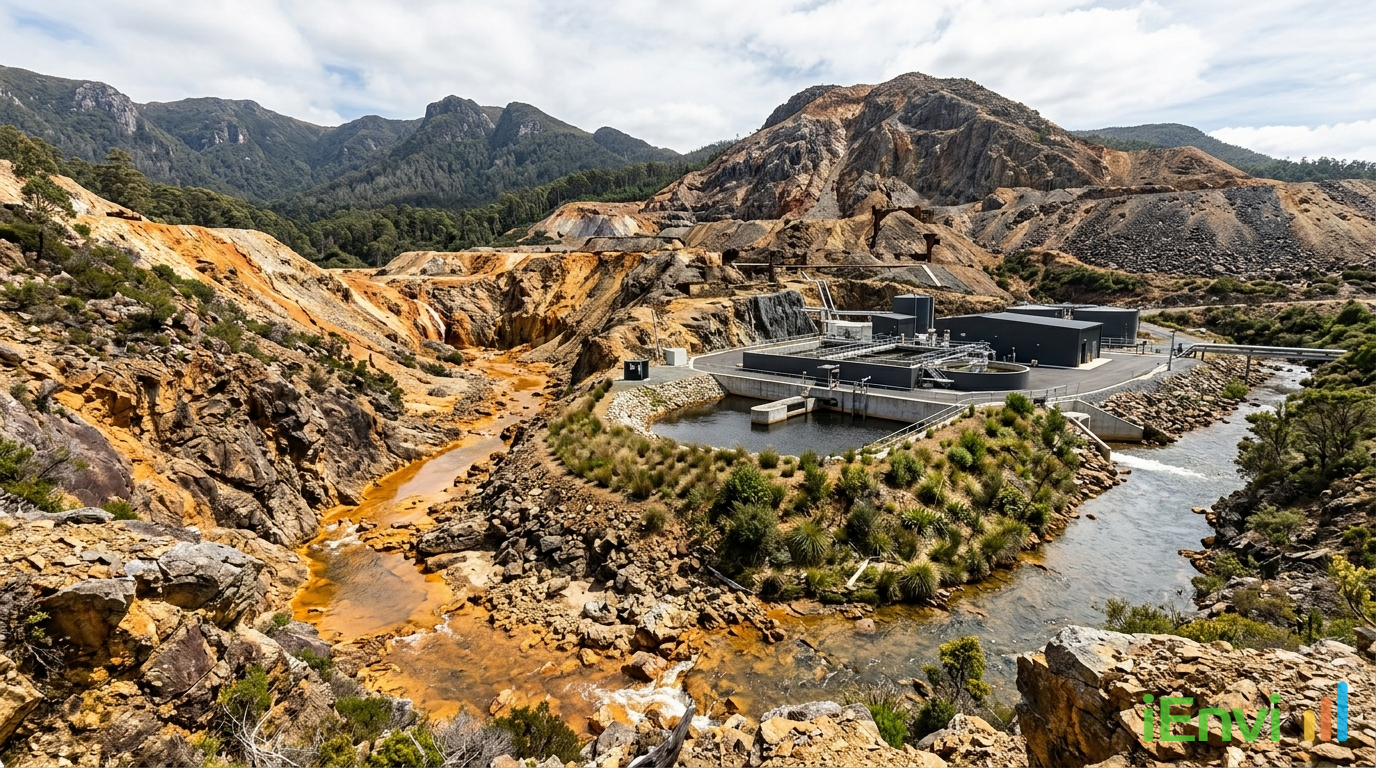
On 13 August 2026, the Tasmanian Parliament passed the Mt Lyell Acid Drainage Reduction (Repeal) Bill 2025, removing the standalone legislative framework that had governed acid mine drainage management at the historic Mt Lyell copper mine near Queenstown for decades. The repeal clears a regulatory pathway for a potential commercial restart of mining operations at the site, with environmental oversight transferring to EPA Tasmania under the Environmental Management and Pollution Control Act 1994 (EMPCA).
This matters well beyond Tasmania’s West Coast. Mt Lyell is one of Australia’s most studied and most severe legacy acid rock drainage sites, with over a century of mining activity leaving the Queen River, King River, and Macquarie Harbour carrying elevated dissolved copper, iron and sulphate loads under persistently low pH conditions. For environmental consultants, mining proponents, and lawyers advising on legacy contamination liability, the shift represents a live case study in using commercial site restart as the funding and delivery mechanism for remediation that public expenditure alone has not achieved at scale.
For Australian developers and site owners carrying historical mining or industrial contamination liabilities, the Mt Lyell precedent is instructive on a structural level. It demonstrates a state government deliberately dismantling bespoke legacy legislation in favour of standard, enforceable EPA licensing conditions, effectively normalising active treatment obligations as a condition of resuming or continuing operations on a contaminated legacy site.
Transition from Passive Discharge to Active EPA Licensing
The Mt Lyell Acid Drainage Reduction (Repeal) Bill 2025 repeals the site-specific statutory arrangements previously governing acid mine drainage management at Mt Lyell, replacing them with regulation under EMPCA and EPA Tasmania’s standard environmental licensing framework. This is a legislative mechanism change rather than a change to the underlying environmental problem. The prior legacy Act had effectively fixed a management regime for passive AMD discharge that predated modern licensing conditions and did not require active treatment.
Under the new arrangement, any resumption of mining activity at Mt Lyell will require an EPA Tasmania environmental licence with enforceable discharge conditions rather than reliance on historical exemptions. This is a material distinction for practitioners: discharge limits under an EMPCA licence are subject to ongoing review, adaptive management conditions, and enforcement action, in contrast to fixed statutory arrangements that offered limited scope for regulatory tightening over time.
The environmental problem being addressed is significant. Mt Lyell has generated acid rock drainage affecting the Queen River, King River, and Macquarie Harbour, with historical water quality data showing low pH and elevated dissolved copper and iron concentrations well above levels protective of aquatic ecosystems. Passive drainage from waste rock dumps and underground workings has continued largely unmanaged for generations, contributing to documented ecological degradation in the receiving waterways and harbour system.
Active containment and treatment under the new licensing framework is expected to target these parameters directly, with operational discharge criteria expected to reference contemporary water quality guideline frameworks including the ANZG 2018 default guideline values for the protection of freshwater and marine aquatic ecosystems. This represents a shift from decades of passive, unmonitored discharge to a regime requiring continuous monitoring, adaptive water treatment, and demonstrable compliance against modern numeric criteria.
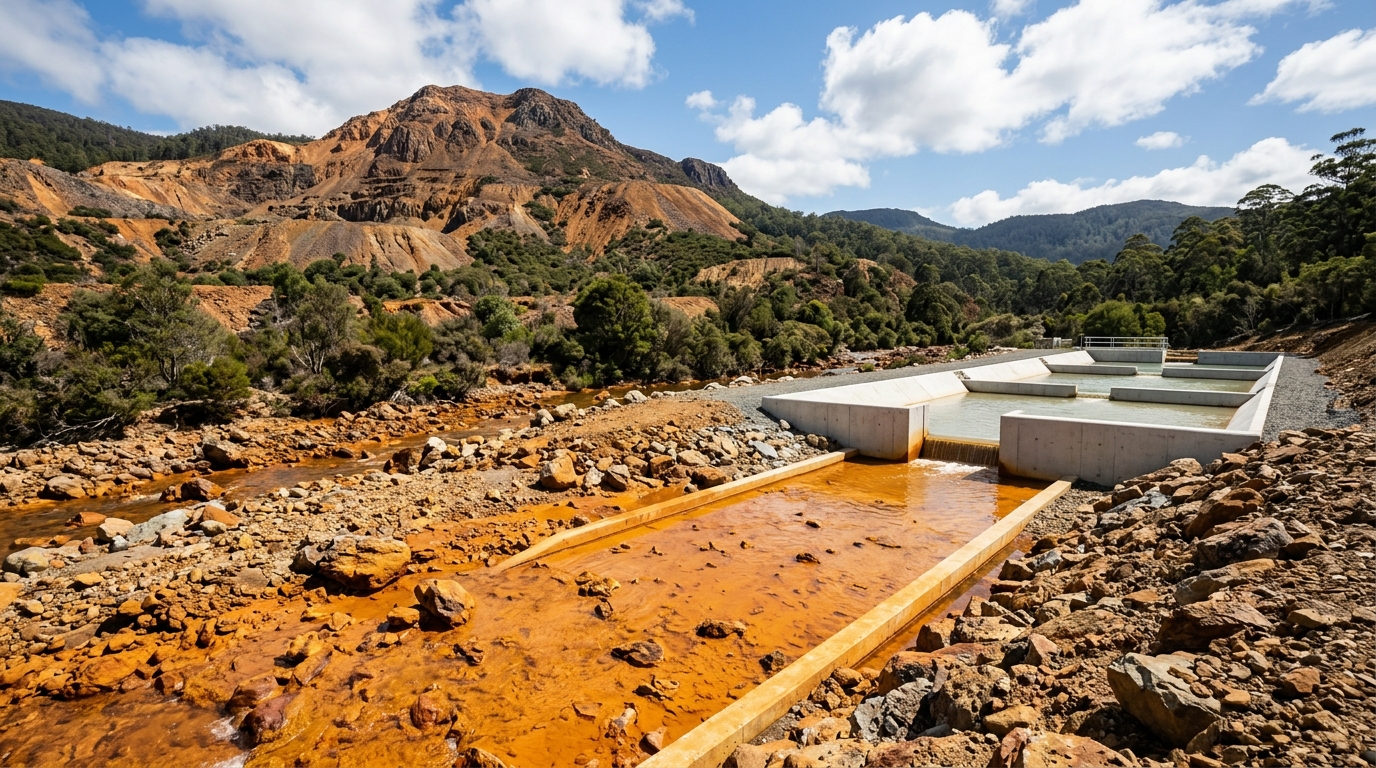
Australian context: EMPCA licensing and legacy acid mine drainage precedent
While EMPCA is Tasmanian legislation, the regulatory logic at Mt Lyell has direct relevance for practitioners working under equivalent frameworks in other states, including the Environment Protection Act 1994 (Queensland), the Protection of the Environment Operations Act 1997 (New South Wales), the Environment Protection Act 2017 (Victoria), and the Environment Protection Act 1993 (South Australia). Each of these frameworks increasingly favours dynamic, licence-based conditions over fixed statutory exemptions for legacy contamination, and Mt Lyell shows a state government actively repealing a site-specific carve-out in favour of that model.
Water quality assessment at Mt Lyell will sit against the ANZG 2018 default guideline values framework, the same national reference point used across Australian jurisdictions for setting site-specific discharge and receiving water criteria. Practitioners assessing acid rock drainage sites elsewhere in Australia, including legacy sites in New South Wales’ Cobar and Lithgow districts, Queensland’s North West Minerals Province, and South Australia’s Iron Knob region, should expect the same guideline hierarchy to apply when EPAs review proposed treatment and discharge regimes for restart or extension of mining operations on contaminated legacy land.
The case also has implications for how contaminated land practitioners frame commercial restart proposals in due diligence and planning advice. Where a site carries unmanaged legacy contamination and public remediation funding has stalled or proven inadequate, Mt Lyell demonstrates that state governments may be willing to legislate a pathway that ties commercial approval directly to mandatory active treatment obligations under standard environmental licensing, rather than continuing bespoke historical arrangements indefinitely.
Practical implications for contaminated land practitioners
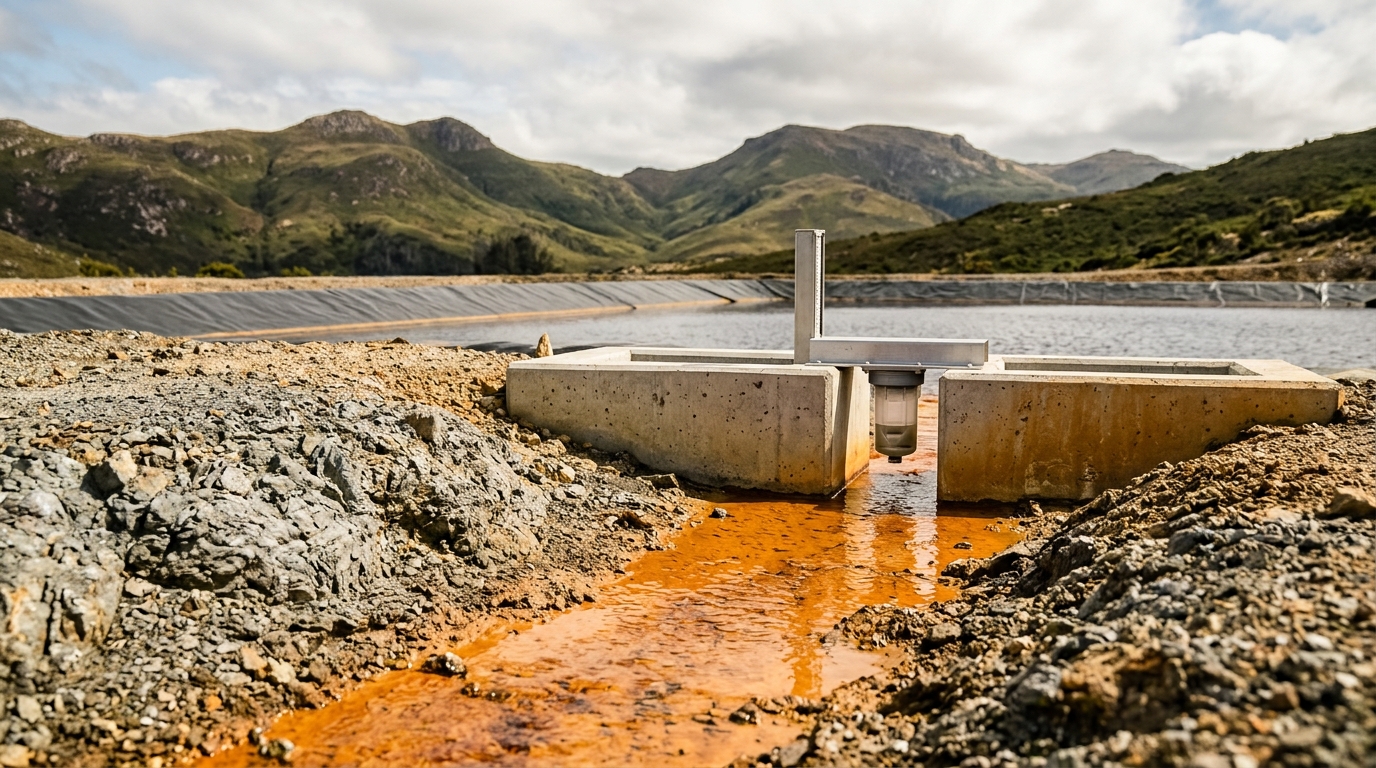
For consultants and legal advisers working on legacy mining or industrial sites carrying historical acid rock drainage or similar unmanaged discharge, the Mt Lyell repeal is a reminder to test whether site-specific statutory arrangements or historical exemptions still apply to a client’s site, and whether those arrangements are likely to survive a restart, expansion, or change-of-use application. Advisers should assume that regulators will look to fold legacy sites into standard licensing frameworks at the first practical opportunity, and that any commercial proposal for such a site will need to budget for active treatment, continuous monitoring, and compliance against contemporary guideline values from the outset. Due diligence on legacy mining land should now treat bespoke historical regimes as a transitional liability rather than a settled entitlement.
References and related sources
How iEnvi can help
iEnvi provides specialist consulting services relevant to this topic. Our team includes CEnvP Site Contamination Specialists with experience across contaminated land, groundwater, remediation, ecology, and regulatory compliance.
- iEnvi remediation services
- iEnvi due diligence services
- iEnvi expert services and independent review services
This is an iEnvi Machete news summary. Prepared by iEnvi to summarise the source article for contaminated land, groundwater, remediation, approvals and site risk professionals.
Published: 14 Aug 2026
Need advice on this topic? Speak to an iEnvi expert at info@ienvi.com.au or 1300 043 684, or contact us online.
Need advice on this issue? iEnvi provides practical, senior-led environmental consulting across contaminated land, remediation, ecology and environmental risk.
Team credentials Contaminated land services Remediation services Groundwater services Talk to iEnvi