
Tasmanian salmon industry mortality trends: Q1 2026 data analysis
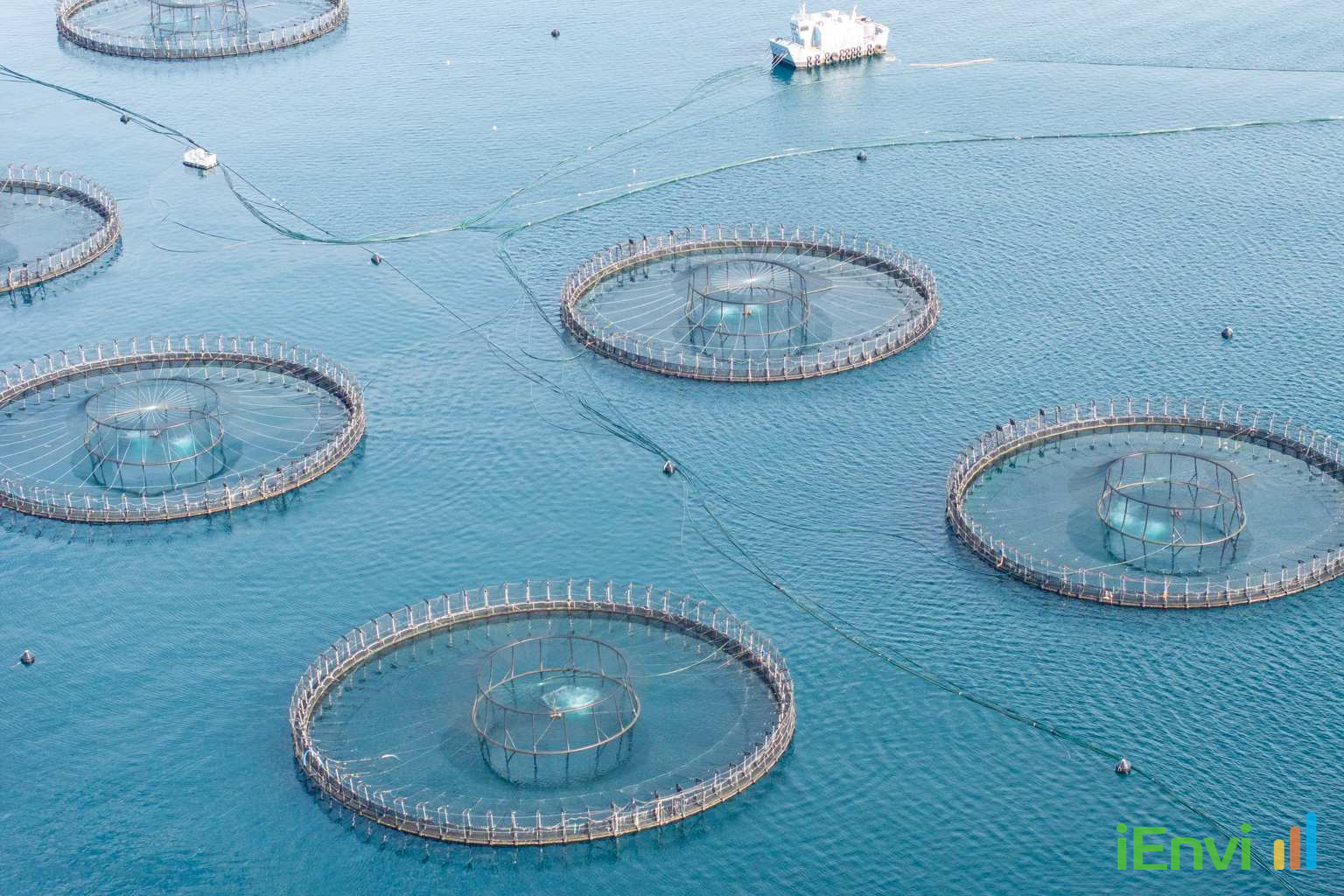
The Tasmanian Environment Protection Authority (EPA) released monthly mortality data on 17 April 2026 showing that more than 9,000 tonnes of farmed Atlantic salmon died in Tasmanian sea pens during the first quarter of 2026. The figures, reported by Pulse Tasmania on 21 April 2026, confirm January mortalities of 2,025 tonnes, February mortalities of 3,356 tonnes, and March mortalities of 3,816 tonnes. Critically, this escalating month-on-month trajectory bucked the usual seasonal pattern of declining mortalities as autumn waters cool, raising serious concerns among regulators, legislators, and environmental professionals about the structural sustainability of the industry’s current operating model.
While the Q1 2026 total is approximately one-third lower than the catastrophic Q1 2025 period, which recorded over 13,500 tonnes of mortalities driven by a marine heatwave and the bacterium Piscirickettsia salmonis in the D’Entrecasteaux Channel, the persistence of mass mortality events at this scale is alarming. Independent Franklin MP Peter George characterised the figures as representing roughly 12 percent of the industry’s annual production, equating to an estimated 1.5 million individual fish. His assessment that mass deaths and disease have become “business as usual” for the multinational industry is a pointed commentary on what appears to be a systemic, rather than episodic, environmental and biosecurity failure.
For environmental consultants, this event is not simply an aquaculture industry story. The management, disposal, and ecological fallout of thousands of tonnes of diseased fish biomass engage a complex and demanding web of Australian environmental regulations spanning terrestrial waste classification, marine water quality, antibiotic contamination in wild species, and corporate environmental due diligence. The regulatory exposure for salmon producers, their financiers, and their advisers is substantial and growing.
Key details of the Q1 2026 Tasmanian salmon mortality event
The raw tonnage figures released by the Tasmanian EPA confirm a sustained and worsening mortality trend across the first three months of 2026. The January figure of 2,025 tonnes was followed by a 66 percent increase in February to 3,356 tonnes, and a further 14 percent increase in March to 3,816 tonnes. The combined Q1 2026 total of approximately 9,197 tonnes represents a volume of biological waste that demands urgent and carefully managed disposal pathways to prevent secondary contamination of terrestrial and marine environments. For context, Peter George’s estimate of 1.5 million fish lost in Q1 alone illustrates the sheer biological scale of the event.
The bacterium Piscirickettsia salmonis was identified as a primary driver of the catastrophic Q1 2025 mortalities in the D’Entrecasteaux Channel. While the specific causative factors for the Q1 2026 mortalities have not been fully detailed in the source reporting, the escalating trajectory and the industry’s own admission that cooler-than-expected water temperatures likely prevented worse outcomes suggest that water temperature stress, chronic disease burden, and stocking density pressures remain the dominant risk factors. Independent MP Peter George explicitly noted that cooler waters had probably moderated the death toll, implying that the underlying disease and stress conditions remained active throughout the quarter.
A significant complicating factor is the regulatory status of florfenicol, a broad-spectrum antibiotic used in the industry to manage bacterial disease in fish pens. In February 2026, the Australian Pesticides and Veterinary Medicines Authority (APVMA) moved to suspend the emergency permit for florfenicol use after the antibiotic was detected at low concentrations in wild marine species at distances of up to 10 kilometres from the salmon pens. This detection represents a material finding for marine ecology and water quality assessments. The 10-kilometre contamination radius extends well beyond the immediate lease boundaries of any individual aquaculture operation and raises questions about the adequacy of existing monitoring programmes designed to detect antibiotic dispersion in open marine environments.
The industry’s response to the mortality data has been notably defensive. Salmon Tasmania chief executive John Whittington stated that the data was provided proactively to ensure transparency and regulatory compliance, and the industry launched a statewide advertising campaign to defend its economic contribution. Tasmanian Greens leader Rosalie Woodruff directly challenged this framing, citing the EPA data as evidence that the structural problems facing the fish farm industry admit no straightforward mitigation. The regulatory tension between the industry’s economic significance and its documented environmental performance is now a live political and legal issue in Tasmania, with consequences for how environmental consultants must approach risk disclosure in due diligence and audit work.
Australian regulatory context for aquaculture mortality management and antibiotic contamination
The disposal of 9,000 tonnes of fish mortalities from Tasmanian sea pens engages multiple tiers of Australian environmental legislation. On the terrestrial side, fish biomass extracted from pens and transported to land-based processing or disposal facilities is classified as a controlled or prescribed waste under Tasmanian and relevant mainland state EPA frameworks. The National Environment Protection (Assessment of Site Contamination) Measure 1999, as amended in 2013 (ASC NEPM 2013), provides the primary national framework for assessing soil and groundwater contamination at sites where biological waste has been processed, rendered, or disposed of. Any land-based facility receiving mortality biomass at this scale carries a foreseeable contamination risk that must be assessed and managed in accordance with the ASC NEPM 2013 criteria.
References and related sources
- Primary source: pulsetasmania.com.au
How iEnvi can help
iEnvi provides specialist consulting services relevant to this topic. Our team includes CEnvP Site Contamination Specialists with experience across contaminated land, groundwater, remediation, ecology, and regulatory compliance.
- iEnvi contaminated land investigation services
- iEnvi remediation and validation services
- iEnvi expert services and independent review services
This is an iEnvi Machete news summary. Prepared by iEnvi to summarise the source article for contaminated land, groundwater, remediation, approvals and site risk professionals.
Published: 27 Apr 2026
Need advice on this topic? Speak to an iEnvi expert at info@ienvi.com.au or 1300 043 684, or contact us online.
Need advice on this issue? iEnvi provides practical, senior-led environmental consulting across contaminated land, remediation, ecology and environmental risk.
Contaminated land services Remediation services Groundwater services Ecological assessment Talk to iEnvi