
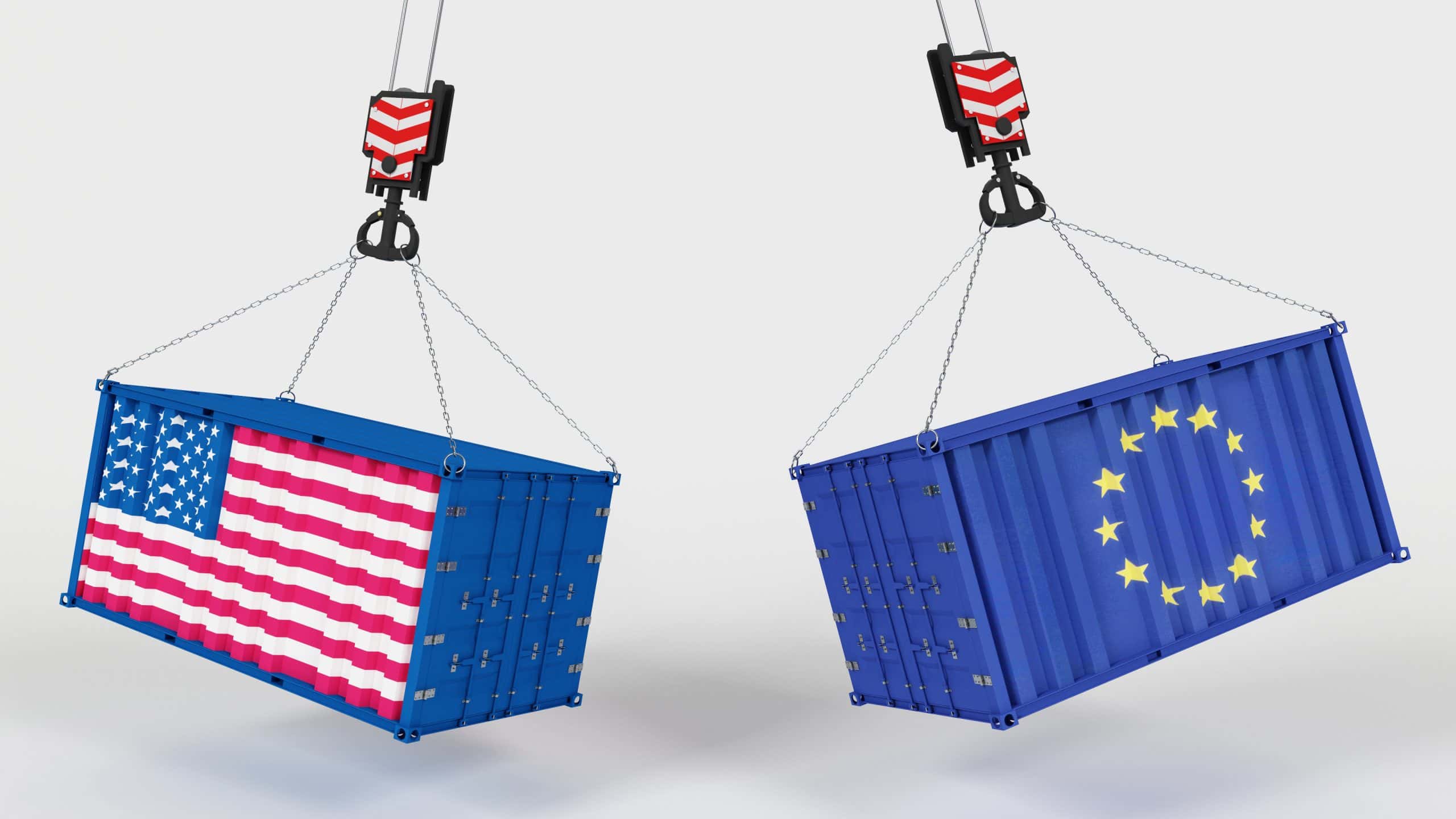
US Withdraws AI Chip Export Licensing Rules
On 15 March 2026, the United States Office of Management and Budget made the critical decision to withdraw a proposed draft rule that would have established a highly restrictive, case-by-case global licensing regime for advanced artificial intelligence accelerator exports. This regulatory shift marks a critical moment for international technology markets and digital infrastructure planners. For Australian enterprise buyers, data centre developers, legal counsel, and strategic planners, this decision provides immediate relief from what threatened to be a major administrative bottleneck in the procurement of high-performance computing hardware. By removing this layer of proposed global oversight, the decision restores operational predictability to a market that has been characterised by severe supply constraints and regulatory volatility.
Historically, the global supply chain for advanced silicon has been highly sensitive to changes in United States export controls. The proposed rule aimed to implement a universal licensing requirement, which would have applied a case-by-case scrutiny to exports of advanced graphics processing units and specialised artificial intelligence accelerators. Had this rule been enacted, it would have added substantial compliance overheads and procurement delays for organisations outside of restricted jurisdictions, including those operating within Australia. The withdrawal of this draft rule ensures that the baseline for global hardware acquisition remains governed by the pre-existing, tiered Export Administration Regulations, avoiding a blanket administrative burden on friendly trading nations.
For Australian corporations planning large-scale computational infrastructure, this regulatory retreat represents a major stabilisation of their technology roadmaps. Major infrastructure developments, such as the construction of hyperscale data centres and the expansion of national sovereign cloud capabilities, rely on predictable delivery timelines for high-end semiconductor hardware. This decision allows project sponsors, legal advisors, and technical consultants to progress with major procurement contracts with a significantly reduced risk of sudden, extraterritorial regulatory delays.
Inside the Withdrawn Export Control Proposal
To understand the significance of this policy withdrawal, it is necessary to examine the technical and administrative structures that were under consideration. The United States Office of Management and Budget had been reviewing a proposed regulation that would have dismantled the existing tiered export control framework. Under the current framework, export controls are largely determined by destination, end-user, and end-use, with specific, heightened restrictions targeted at specific nations such as China. The proposed draft rule sought to transition this system to a universal, case-by-case licensing requirement for virtually all high-performance artificial intelligence accelerators, regardless of their destination.
The primary hardware affected by this proposed oversight includes the industry’s most advanced graphics processing units, specifically high-end systems such as Nvidia’s Blackwell and Hopper architectures. These advanced silicon platforms represent the benchmark for training large-scale foundation models and executing complex computational simulations. The proposed rule would have required individual export licences for these high-performance accelerators, creating an unprecedented bureaucratic gatekeeping process. In practice, this would have required every major international transaction involving advanced silicon to undergo individual review by United States regulatory authorities, potentially adding weeks or months to procurement cycles.
By withdrawing this draft rule, the United States government has maintained the authority of the existing Export Administration Regulations as the primary compliance baseline. Under the established Export Administration Regulations framework, controls are systematically applied based on specific performance thresholds, such as total processing performance and interconnect bandwidth, using Export Control Classification Numbers such as 3A090 and 4A090. This tiered framework allows Australian enterprises to import compliant hardware without the burden of individual licensing, provided the technology complies with the established performance parameters and is not destined for restricted entities. This ensures that the global supply chain for high-performance computing hardware can continue to function without broad-scale disruption.

Impact on Australian Data Centre Procurement
In the Australian professional services and infrastructure development sectors, this decision has direct relevance to the planning, financing, and delivery of high-performance computing facilities. Australia is currently undergoing a rapid expansion of its digital infrastructure, with billions of dollars being capitalised into hyperscale data centres, sovereign artificial intelligence initiatives, and advanced research facilities. These capital-intensive projects are highly sensitive to timeline slippage. In Australian project management practice, hardware procurement schedules are integrated directly into critical path analyses, where a delay of even a few weeks in equipment delivery can translate into millions of dollars in holding costs and project overruns.
The decision by the United States government aligns with the practical needs of Australian technology procurers who must align their projects with local regulatory and operational frameworks. While Australia is not directly subject to United States domestic regulations, the extraterritorial reach of the Export Administration Regulations means that any local entity acquiring United States-origin technology must maintain strict compliance. Had the proposed universal licensing regime been implemented, Australian project developers and their legal advisers would have had to factor in considerable additional lead times, compliance documentation, and contractual contingencies to account for the prospect of case-by-case United States review of each shipment. The withdrawal removes that overhang, allowing procurement teams to proceed under the established tiered framework and giving boards, financiers, and project sponsors greater certainty over delivery schedules for Australian data centre and sovereign computing builds.
References and related sources
- Primary source: 247wallst.com
How iEnvi can help
iEnvi provides specialist consulting services relevant to this topic. Our team includes CEnvP Site Contamination Specialists with experience across contaminated land, groundwater, remediation, ecology, and regulatory compliance.
- iEnvi contaminated land investigation services
- iEnvi remediation and validation services
- iEnvi expert services and independent review services
This is an iEnvi Machete news summary. Prepared by iEnvi to summarise the source article for contaminated land, groundwater, remediation, approvals and site risk professionals.
Published: 17 Jun 2026
Need advice on this topic? Speak to an iEnvi expert at info@ienvi.com.au or 1300 043 684, or contact us online.
Need advice on this issue? iEnvi provides practical, senior-led environmental consulting across contaminated land, remediation, ecology and environmental risk.
Team credentials Contaminated land services Remediation services Groundwater services Talk to iEnvi