
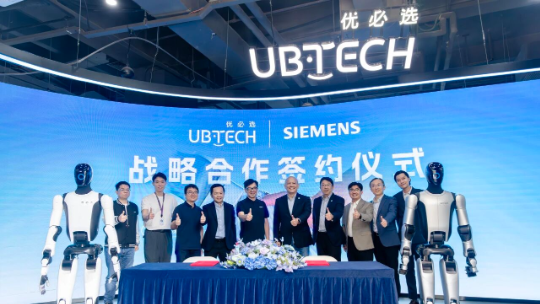
UBTECH and Siemens partner on industrial humanoid robotics
The landscape of industrial automation is undergoing a rapid transition as advanced robotics move from research and development laboratories directly onto the factory floor. On 16 March 2026, in Shenzhen, UBTECH and Siemens Industrial Software signed a strategic cooperation framework agreement designed to accelerate the digital transformation of humanoid robotics. This commercial partnership represents a major shift from producing highly customised, low-volume experimental models to establishing scalable, mass-manufactured industrial assets. For property developers, industrial operations managers, and professional advisers, this transition marks the point where embodied artificial intelligence becomes a commercial reality.
This partnership is particularly relevant for those who manage large-scale warehousing, logistics, and manufacturing facilities. The standardisation of humanoid robotics addresses long-standing challenges in industrial operations, including structural labour shortages, operational inefficiencies, and the physical limitations of traditional automation. By combining advanced robotic hardware with sophisticated digital twin technology, industrial operators can plan for the integration of flexible, mobile automation that operates within physical environments originally designed exclusively for human workers.
For Australian environmental and industrial consultants, as well as their corporate clients, understanding this shift is essential for future-proofing industrial assets. The deployment of humanoid robots at scale requires a reassessment of facility design, energy consumption patterns, and workplace safety frameworks. As industrial developers and asset managers plan new projects or retrofits, incorporating the infrastructure necessary to support these autonomous systems will be critical to maintaining asset value and operational efficiency over the next decade.
Inside the UBTECH–Siemens cooperation framework
The strategic framework signed between UBTECH and Siemens focuses on integrating their respective technical strengths across the entire value chain of humanoid robotics. Under this agreement, UBTECH provides its full-stack humanoid robotic hardware and control technologies, while Siemens delivers its global expertise in digital manufacturing and industrial software. The primary objective of this collaboration is to support UBTECH in achieving an annual production capacity of 10,000 industrial humanoid robots by the end of 2026. This target represents a significant increase in production volume, shifting the industry from bespoke assembly to high-volume manufacturing.
A critical technical element of this partnership is the utilisation of Siemens digital enterprise and digital twin software. Digital twin technology creates a precise virtual replica of both the robotic hardware and the physical assembly line before any physical manufacturing takes place. This virtual model allows engineers to simulate complex movements, test operational workflows, and identify potential mechanical or software bottlenecks in a digital environment. By conducting virtual commissioning, the partnership aims to stabilise the production lifecycle, reduce engineering errors, and accelerate the physical deployment of robots on the factory floor.
During the signing ceremony, UBTECH representative Zhou Jian noted that commercial demand for industrial humanoid robots has surged, with order volumes climbing notably. Historically, the widespread adoption of advanced robotics has been hindered by a lack of interoperability between proprietary robotics software and standard industrial automation protocols. The integration of Siemens industrial software aims to resolve this issue by standardising the communication pathways between the robots and broader enterprise systems, such as Manufacturing Execution Systems and Enterprise Resource Planning platforms. This standardisation ensures that the robots can perform complex, non-repetitive tasks while communicating real-time operational data directly to the site management systems.
By establishing standard communication protocols, the partnership enables these humanoid units to perform sophisticated edge-of-line decision-making. This capability represents a significant departure from traditional automated guided vehicles and static robotic arms, which are limited to highly repetitive, pre-programmed paths. The ability of humanoid robots to navigate dynamic workspaces, identify varying objects, and adapt to changing physical inputs is supported by advanced sensor suites and real-time processing, all of which are integrated into the digital twin simulation model to ensure safe and predictable physical performance.
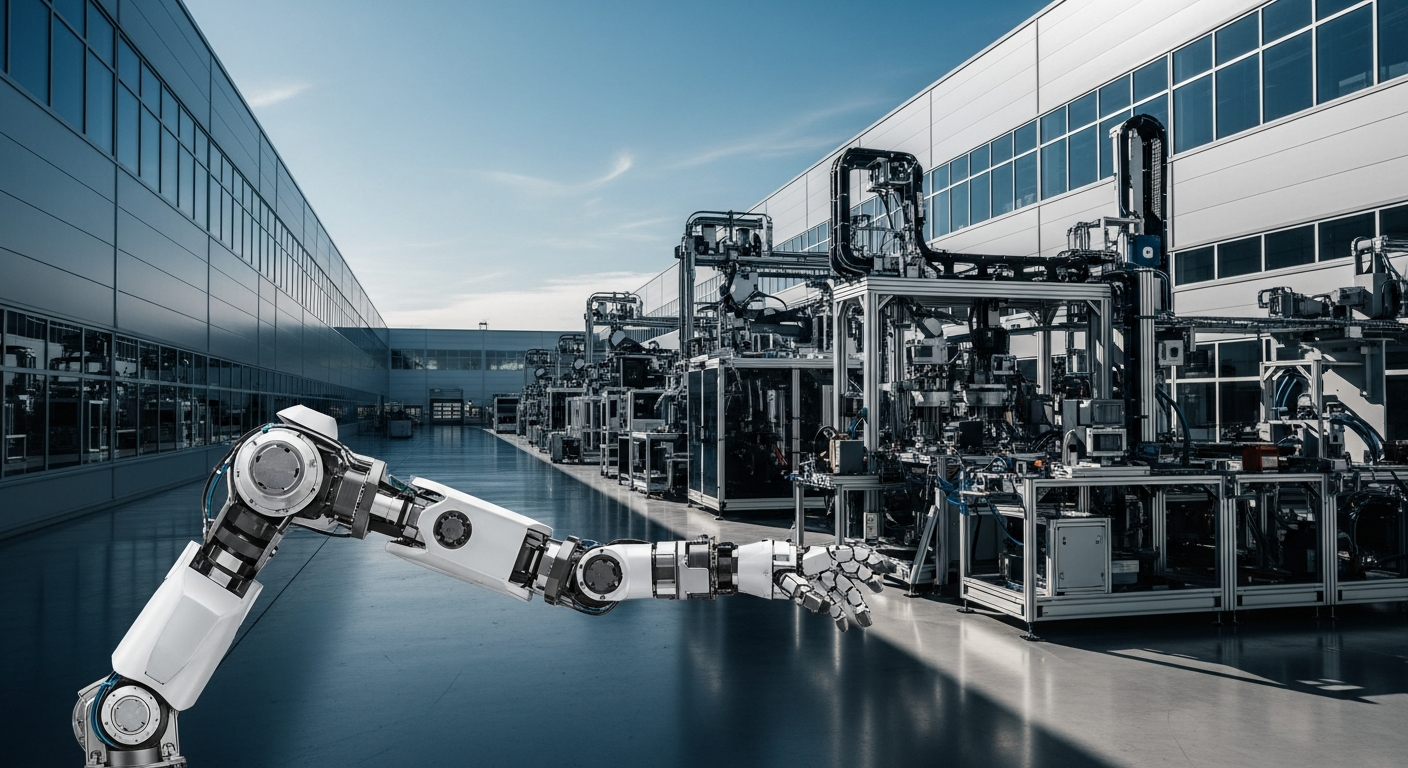
Implications for Australian industrial operators and WHS frameworks
While the strategic agreement was signed in Shenzhen, the implications for Australian business, industrial operations, and professional services are direct. Australia faces persistent challenges in industrial productivity, high labour costs, and acute skills shortages across the logistics, warehousing, and manufacturing sectors. The availability of standardised, mass-produced humanoid robots offers Australian enterprises a viable technology path to address these operational constraints. However, integrating these autonomous systems into local operations requires careful alignment with Australian regulatory frameworks and engineering standards.
The introduction of mobile, autonomous humanoid robots into Australian workplaces will require a comprehensive review of work health and safety practices. Under the Work Health and Safety Act 2011, and the equivalent state-based legislation, employers must ensure, so far as is reasonably practicable, the health and safety of workers. Traditional industrial automation relies on physical isolation, such as light curtains, safety cages, and interlocked gates, to separate human workers from machinery. Because humanoid robots are designed to operate collaboratively within shared spaces alongside human workers, operators will need to adopt updated risk assessments, dynamic safety zoning, and revised standard operating procedures to manage the interaction between people and autonomous machines.
References and related sources
- Primary source: autonews.gasgoo.com
How iEnvi can help
iEnvi provides specialist consulting services relevant to this topic. Our team includes CEnvP Site Contamination Specialists with experience across contaminated land, groundwater, remediation, ecology, and regulatory compliance.
- iEnvi contaminated land investigation services
- iEnvi remediation and validation services
- iEnvi expert services and independent review services
This is an iEnvi Machete news summary. Prepared by iEnvi to summarise the source article for contaminated land, groundwater, remediation, approvals and site risk professionals.
Published: 17 Jun 2026
Need advice on this topic? Speak to an iEnvi expert at info@ienvi.com.au or 1300 043 684, or contact us online.
Need advice on this issue? iEnvi provides practical, senior-led environmental consulting across contaminated land, remediation, ecology and environmental risk.
Team credentials Contaminated land services Remediation services Groundwater services Talk to iEnvi