
Regulatory milestone: PFOA bioaccumulation in home-grown produce
The formal declaration of the Thornton Side allotments in Thornton-Cleveleys, Lancashire, as Contaminated Land under Part 2A of the Environmental Protection Act 1990 represents a landmark regulatory milestone. Initiated by Wyre Council in partnership with the UK Environment Agency and the UK Health Security Agency, this decision marks the first time a statutory contaminated land declaration has been triggered primarily by the bioaccumulation of perfluorooctanoic acid, commonly known as PFOA, in home-grown vegetables. The regulatory action follows an extensive, multi-agency investigation that established a direct link between low-level soil contamination, plant uptake, and an unacceptable chronic risk to human health through the consumption of allotment-grown produce.
For Australian environmental practitioners, property developers, local government authorities, and legal advisors, this international development provides a critical warning. Historically, the management and assessment of per- and polyfluoroalkyl substances, or PFAS, within Australia have focused almost exclusively on drinking water contamination, groundwater plume migration, and direct soil ingestion pathways. The Thornton Side allotments case shifts the regulatory spotlight directly onto the plant-uptake pathway and the viability of urban agriculture. It demonstrates that standard soil screening levels can be fundamentally inadequate when assessing risks associated with persistent, bioaccumulative compounds in residential or community gardening scenarios.
This statutory declaration highlights the evolving global consensus that persistent organic pollutants require highly sophisticated, multi-pathway risk characterisation. As Australian regulators continue to refine their approach to PFAS management through national and state-specific frameworks, this UK precedent establishes a clear operational benchmark. Environmental consultants must now recognise that the absence of a direct exposure pathway, such as direct contact or groundwater ingestion, does not preclude a site from being declared contaminated if the soil chemistry supports the transport of contaminants into the local food chain.
Technical investigation and exposure modelling of PFOA
The technical investigation at the Thornton Side allotments was prompted by concerns regarding historical industrial emissions from the nearby Hillhouse Technology Enterprise Zone, where fluoropolymers have been manufactured since the mid-twentieth century. The primary contaminant of concern was PFOA, a stable, synthetic compound historically used in industrial processes for its water and grease-resistant properties. Over several decades, atmospheric deposition and localised wastewater discharges allowed PFOA to accumulate in the shallow soil profile across a wide geographical area, including the municipal allotments located within a few kilometres of the industrial source.
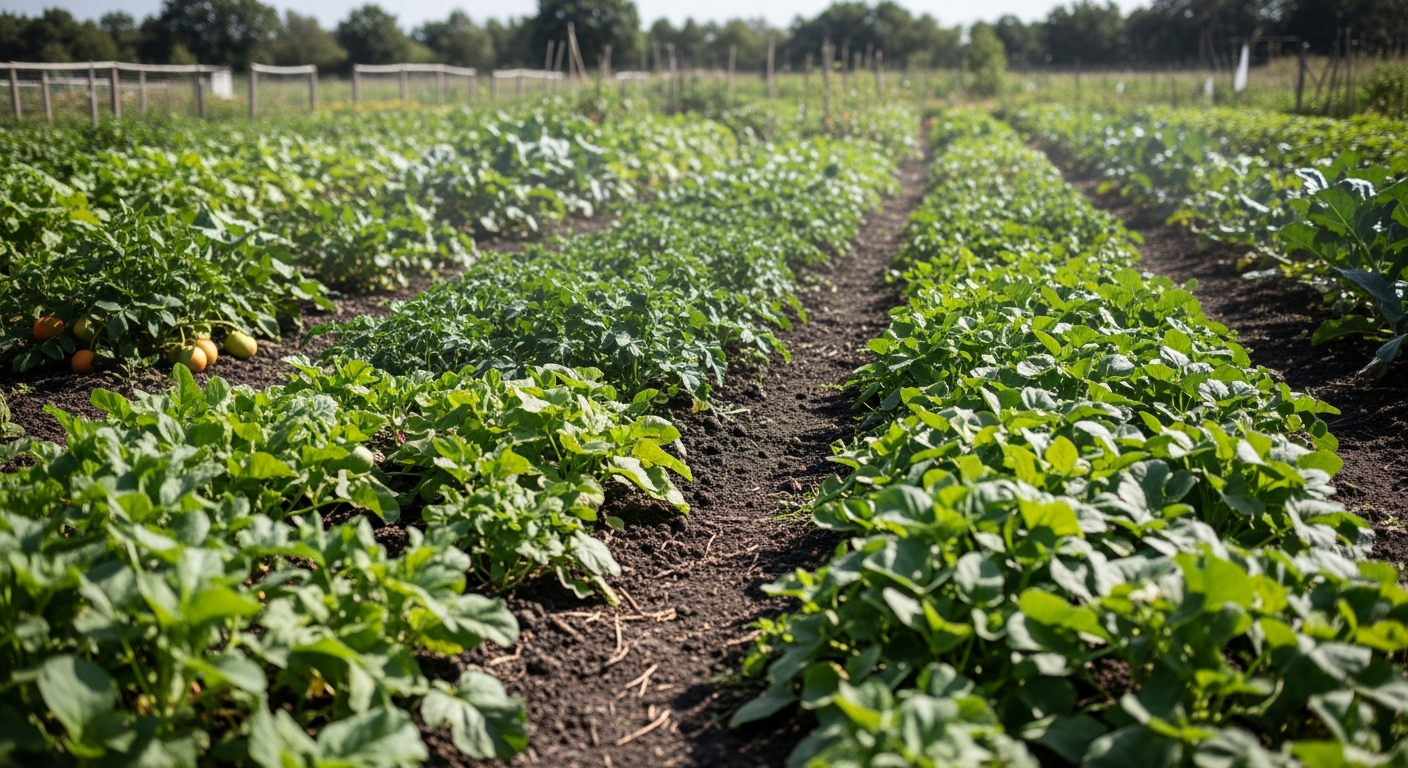
To quantify the risk, the multi-agency team conducted a comprehensive soil and plant tissue sampling programme. Rather than relying on theoretical bioconcentration factors, the UK Environment Agency and Wyre Council collected and analysed actual vegetable samples grown on the site, including root vegetables such as beetroot and potatoes, alongside leafy greens and onions. The laboratory results confirmed that PFOA concentrations in the plant tissue were disproportionately high relative to the soil concentrations. This high bioaccumulation rate is attributed to the chemical characteristics of PFOA, which is highly water-soluble and mobile in soil pore water, allowing it to be easily absorbed by plant root systems and translocated to edible portions of the vegetation.
The toxicological risk assessment, completed in consultation with the UK Health Security Agency, compared the empirical vegetable tissue data against the conservative health-based guidance values established by the European Food Safety Authority. The European Food Safety Authority set a highly stringent tolerable weekly intake of 4.4 nanograms per kilogram of body weight per week for the sum of four key PFAS compounds: PFOA, perfluorooctane sulfonate, perfluorononanoic acid, and perfluorohexane sulfonic acid. The dietary exposure modelling demonstrated that regular consumption of produce grown at the Thornton Side allotments would cause an individual to exceed this tolerable weekly intake, thereby satisfying the statutory test for a significant possibility of significant harm under the UK environmental protection framework.
The resulting statutory declaration under Part 2A of the Environmental Protection Act 1990 places a legal obligation on the responsible parties to formulate and implement a comprehensive remediation strategy. Because PFOA does not undergo natural biodegradation, traditional passive remediation techniques are ineffective. Current management controls are restricted to pathway disruption, including advising allotment holders to immediately cease consuming any produce grown at the site and restricting access to the most heavily impacted zones. Long-term remediation options under consideration include physical excavation of the topsoil layer, soil washing, or the application of specialised chemical immobilisation agents to reduce the bioavailability of PFOA in the root zone.
Australian context
The regulatory mechanism used in the UK to declare the allotments as contaminated land parallels several key aspects of the Australian environmental regulatory framework. In Australia, the primary instrument for assessing contaminated sites is the National Environment Protection (Assessment of Site Contamination) Measure 1999, which was significantly amended in 2013. The Health Investigation Levels, specifically HIL A, which applies to residential land with garden or accessible soil, assume that up to 10 percent of an individual’s fruit and vegetable intake is sourced from home-grown produce. However, the HIL framework was largely calibrated around exposure pathways such as direct soil ingestion, dermal contact, and dust inhalation, rather than the plant-uptake pathway that drove the Thornton Side declaration. This means that for highly mobile and bioaccumulative compounds such as PFOA, the existing Australian screening levels may significantly understate the risk where home-grown produce forms part of the diet, leaving a potential regulatory gap that practitioners, councils and state EPAs will need to address through site-specific risk assessment and, where warranted, targeted plant tissue sampling.
References and related sources
- Primary source: www.wyre.gov.uk
How iEnvi can help
iEnvi provides specialist consulting services relevant to this topic. Our team includes CEnvP Site Contamination Specialists with experience across contaminated land, groundwater, remediation, ecology, and regulatory compliance.
- iEnvi contaminated land services
- iEnvi remediation and validation services
- iEnvi expert services and independent review services
This is an iEnvi Machete news summary. Prepared by iEnvi to summarise the source article for contaminated land, groundwater, remediation, approvals and site risk professionals.
Published: 17 Jun 2026
Need advice on this topic? Speak to an iEnvi expert at info@ienvi.com.au or 1300 043 684, or contact us online.
Need advice on this issue? iEnvi provides practical, senior-led environmental consulting across contaminated land, remediation, ecology and environmental risk.
Team credentials Contaminated land advice Remediation services Groundwater services Talk to iEnvi