
Overview
The global race to construct artificial intelligence infrastructure has sparked unprecedented capital allocation, primarily characterised by mega-scale data centre developments. In the United States, this build-out is defined by high-visibility, volume-first initiatives such as the Stargate programme, which prioritises rapid deployment and sheer capacity. However, a comparative analysis reveals that Australia is not falling behind in this infrastructure transition. Instead, the nation is pursuing a substantial, highly active pipeline of gigawatt-scale data centres. While the American model focuses on rapid ground-breaking and national competitiveness, Australian developments are governed by a more structured, resource-conscious framework that prioritises environmental compliance, grid stability, and social licence.
For Australian environmental professionals, developers, municipal councils, and planning lawyers, this divergence in delivery models has profound regulatory and practical implications. The scale of proposed data centres demands intense resource integration, specifically regarding high-voltage electrical grid connections, massive water volumes for cooling, and large land footprints. Because many of these facilities must be located close to metropolitan telecommunications hubs, developers are increasingly targeting complex brownfield sites. Navigating these constraints requires a sophisticated understanding of how national and state planning laws intersect with resource availability and site contamination frameworks.
The regulatory landscape governing these developments became significantly more defined in March 2026, when the federal Department of Industry, Science and Resources released its expectations framework for data centres and artificial intelligence infrastructure. This framework signals a shift away from ad-hoc planning approvals toward a centralised assessment model where environmental performance and resource stewardship are directly tied to regulatory priority. Proponents who proactively address these requirements can expedite their approval pathways, while those who treat environmental compliance as a secondary concern face protracted planning delays and severe project-stage bottlenecks.
Key details
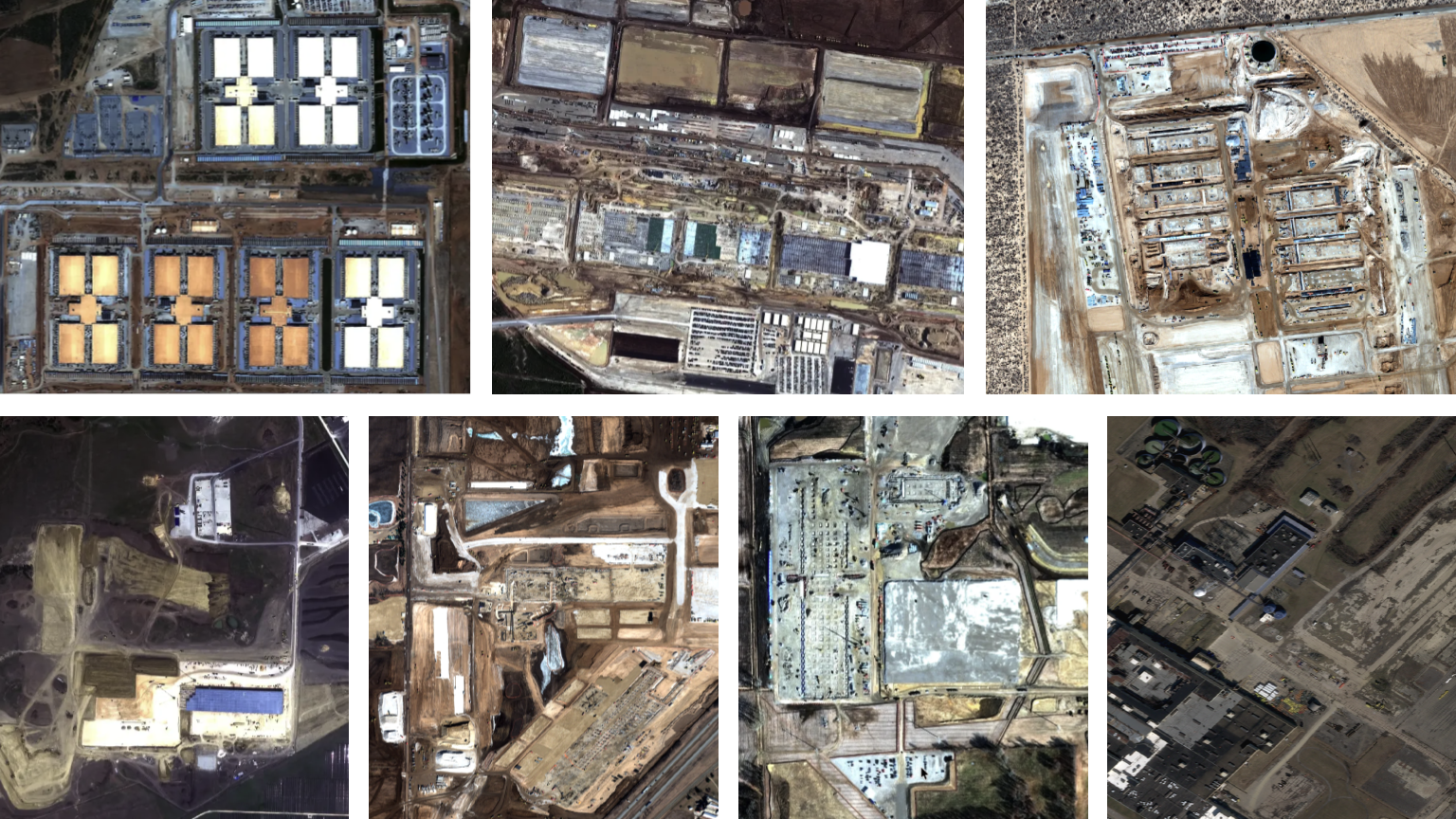
The physical and financial scale of the artificial intelligence infrastructure pipeline is unprecedented. In the United States, the scale is exemplified by the OpenAI Stargate programme, announced in January 2025. According to the OpenAI corporate blog in 2026, the organisation surpassed its initial 10 gigawatt infrastructure goal by adding 3 gigawatts of capacity in approximately 90 days. Research by Epoch AI tracks seven active Stargate locations across the United States, including a flagship facility in Abilene, Texas, with a planned capacity of approximately 1.2 gigawatts, alongside other gigawatt-scale sites in New Mexico, Wisconsin, Michigan, and Ohio. This push is supported by immense financial capital, including a projected 500 billion USD infrastructure investment envelope over four years, a 300 billion USD cloud compute agreement between Oracle and OpenAI over five years, and a March 2026 OpenAI equity raise of approximately 122 billion USD.
In contrast, Australia’s development pipeline is characterised by high-capacity regional hubs concentrated around major metropolitan centres, particularly Sydney, Melbourne, and Canberra. According to industry data from M3 Property published in November 2025, Australia possesses one of the largest data centre construction pipelines relative to its population in the world. Significant projects in the Sydney basin include the ISPT Kemps Creek campus, a 5 billion AUD development designed to deliver up to 1 gigawatt of capacity across six buildings. Additionally, the GreenSquareDC SYD1 Norwest facility represents a 1.2 billion AUD investment producing a 110 megawatt AI-ready campus, while the CDC Marsden Park development is planned to deliver 504 megawatts. In the western Sydney corridor, NEXTDC is advancing its S7 Western Sydney AI campus, which integrates dedicated graphics processing unit superclusters.
In Victoria, the build-out is equally pronounced. NEXTDC is developing the M4 AI Factory in Port Melbourne, a 2 billion AUD sovereign artificial intelligence hub, alongside its M3 expansion phase of 150 megawatts. Concurrently, CDC is constructing a 2.7 billion AUD, 150 megawatt facility in Laverton, while Amazon Web Services continues its master planning for a hyperscale campus at Cobblebank. In the Australian Capital Territory, the scale is even larger. The Canberra Times reported in March 2026 that a collaborative AI factory programme involving Firmus, CDC, and NVIDIA is projected to reach up to 73 billion AUD in scale, delivering approximately 1.6 gigawatts of capacity from 2028.
The federal response to this rapid expansion is structured around the March 2026 Department of Industry, Science and Resources release titled “Expectations of Data Centres and AI Infrastructure Developers” under the National AI Plan. This framework establishes five core pillars that proponents must address:
- National interest and security protection
- Measurable contributions to the domestic energy transition
- Sustainable water utilisation and conservation
- Workforce development and capacity building
- Support for local research and development initiatives
Although these pillars are not direct legislative acts, the Commonwealth has explicitly stated that projects demonstrating alignment with these expectations will receive priority pathways in federal regulatory assessments, such as Foreign Investment Review Board reviews and Environment Protection and Biodiversity Conservation Act referrals, whereas non-compliant projects will be systematically deprioritised.
Australian context
The integration of hyperscale data centres into the Australian planning system exposes a set of resource and regulatory pressures that distinguish local developments from the American Stargate model. Unlike the largely greenfield, fast-tracked sites favoured in the United States, Australian projects must contend with constrained urban grids, water-scarce catchments, and a layered approvals process spanning Commonwealth, state, and local government tiers. Connection queues managed by the Australian Energy Market Operator, combined with transmission constraints in New South Wales and Victoria, mean that gigawatt-scale proposals are increasingly contingent on co-located generation, behind-the-meter renewables, and firm storage arrangements.
Water use is emerging as the second defining constraint. Proposals in the Sydney basin and western Melbourne corridors are being assessed against drought resilience plans and recycled water availability, with several proponents shifting toward closed-loop and air-cooled designs to reduce reliance on potable supply. Site selection is also being shaped by contaminated land considerations, with brownfield industrial parcels in Kemps Creek, Marsden Park, Laverton, and Port Melbourne requiring detailed remediation pathways under state contamination frameworks before substantial works can commence.
For councils and planning practitioners, the practical consequence is a need to align local planning instruments with the Commonwealth’s expectations framework and state energy and water policies early in the proponent engagement process. Projects that integrate environmental performance, community benefit, and resource stewardship from the outset are positioned to move through assessment more efficiently, while those that defer these considerations are likely to encounter extended delays, conditions of consent that materially affect project economics, and heightened scrutiny from regulators and the public.
References and related sources
- Primary source: www.industry.gov.au
- https://openai.com/index/building-the-compute-infrastructure-for-the-intelligenc
- https://epoch.ai/blog/openai-stargate-where-the-us-sites-stand
- https://www.gtlaw.com.au/insights/ai-infrastructure-expectations-what-data-centr
- NEPM Assessment of Site Contamination
How iEnvi can help
iEnvi integrates technology and data-driven approaches into environmental consulting. We monitor AI and technology developments that affect how environmental professionals deliver services to clients.
This is an iEnvi Machete news summary. Prepared by iEnvi to summarise the source article for environmental professionals tracking AI, data, and technology developments that affect consulting and project delivery.
Published: 17 Jun 2026
Need advice on this topic? Speak to an iEnvi expert at info@ienvi.com.au or 1300 043 684, or contact us online.
Need advice on this issue? iEnvi provides practical, senior-led environmental consulting across contaminated land, remediation, ecology and environmental risk.
Contaminated land services Remediation services Ecology and biodiversity Talk to iEnvi