
US FCC Bans Chinese Humanoid Robots and Power Inverters: What It Means for Australian Technology and Infrastructure
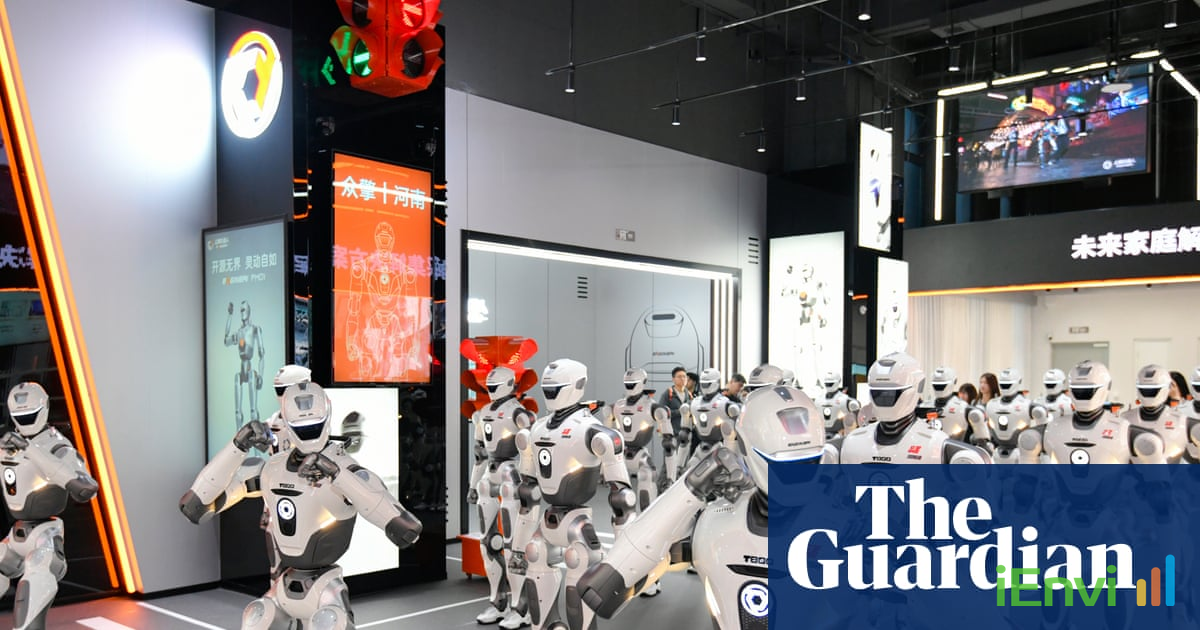
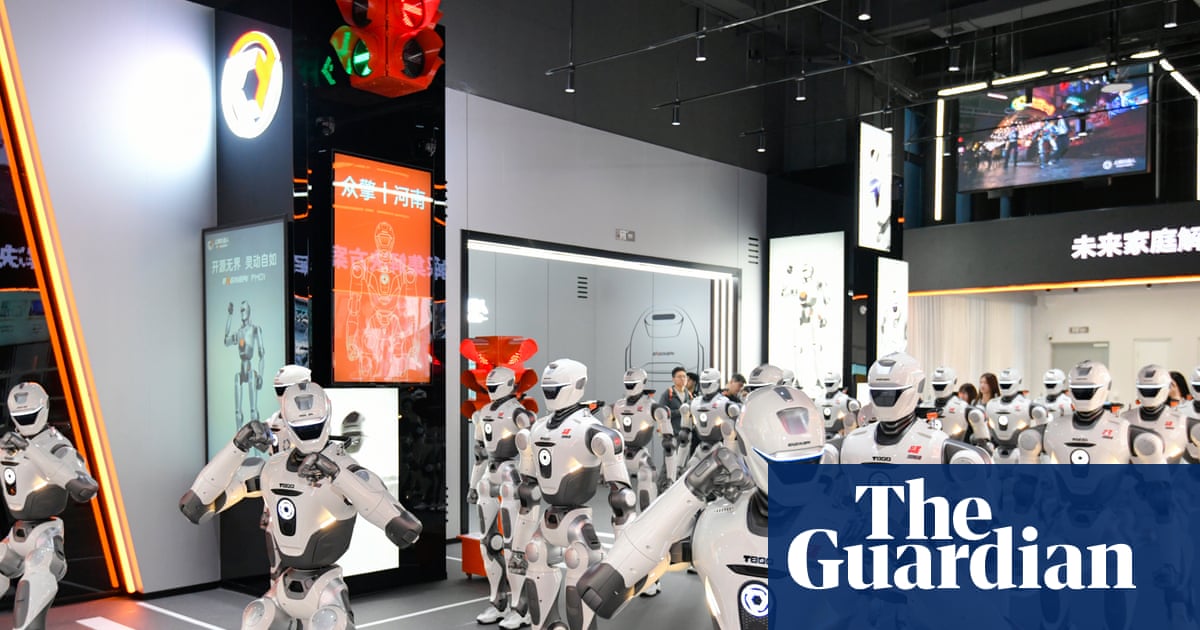
On 28 July 2026, the United States Federal Communications Commission (FCC) announced a sweeping prohibition on the import of Chinese-manufactured humanoid robots, quadrupedal robot dogs, and connected power inverters. The FCC added these device categories to its Covered List, which blocks all future equipment authorisations for the listed products. The decision, framed explicitly around national security, marks one of the most consequential regulatory interventions in the global robotics and AI infrastructure sectors to date, and its reverberations will be felt far beyond the United States.
The scale of the disruption is difficult to overstate. Chinese manufacturers currently account for an estimated 85 per cent of global humanoid robot deployments, giving companies such as Unitree a commanding position in both research institutions and enterprise settings. By severing the pathway for new authorisations, the FCC has effectively decoupled the US market from the dominant global supply chain in a single regulatory stroke. Organisations that had been planning robotics deployments around cost-competitive Chinese platforms will now need to reconsider their procurement strategies from the ground up.
For Australian technology, infrastructure, and environmental services professionals, this development is not a distant geopolitical curiosity. Australia’s technology procurement, data centre buildout, and emerging robotics programmes operate within a global supply chain that is now being forcibly restructured. Understanding the mechanics of the FCC decision, and the broader policy logic driving it, is essential for any organisation planning capital investments in automation, AI infrastructure, or advanced sensing technology over the next three to five years.
Key details of the FCC ban on Chinese humanoid robots and power inverters
The FCC’s Covered List functions as a regulatory blacklist under the Secure and Trusted Communications Networks Act. Once a device category is added to this list, manufacturers can no longer obtain the FCC equipment authorisation required to legally import or sell those products in the United States. The 28 July 2026 determination specifically named humanoid robots, quadrupedal robots (commonly referred to as robot dogs), and connected power inverters as posing “unacceptable risks” to US national security. The FCC’s language centred on the capacity of these devices to collect, transmit, and potentially expose sensitive spatial and environmental data to foreign actors.
The technical basis for the ban rests on the sensor payloads carried by modern robotic platforms. Contemporary humanoid and quadrupedal robots are equipped with high-definition camera arrays, LiDAR units capable of generating detailed three-dimensional maps of interior and exterior environments, microphone arrays, and a range of environmental sensors. The FCC warned that this combination of sensing capabilities means these devices collect massive volumes of spatial intelligence during normal operation. The regulator stated that this data “could be exploited by malign actors to surveil Americans, enhance the capabilities of foreign intelligence services, or to remotely commandeer the robots.” The concern is not merely passive data collection but the possibility of real-time remote access to devices operating inside critical facilities.
A critical nuance in the ruling is the grandfather clause. The ban applies only to new FCC equipment authorisations sought after 28 July 2026. Robotic platforms that received FCC clearance prior to that date, including Unitree’s G1, R1, H2, Go2, and A2 models, remain legal to import, sell, and operate within the United States. This means there will be a transitional period during which grandfathered Chinese hardware continues to circulate in the US market, creating a two-tier landscape of compliant legacy devices and prohibited new models. Organisations already operating these platforms are not required to decommission them, but procurement teams can no longer add new units of any model that lacks pre-existing authorisation.
The power inverter component of the ban carries arguably greater immediate economic weight. Chinese manufacturers, most notably Sungrow and Huawei’s energy division, are among the largest global suppliers of the utility-scale and commercial power inverters used in solar installations and AI data centre electrical infrastructure. By restricting these products, the FCC has introduced a direct bottleneck into the US AI data centre buildout at a moment when demand for compute capacity is growing at an extraordinary rate. Sourcing equivalent hardware from domestic US manufacturers or from allied-nation suppliers will take time and will almost certainly carry a higher unit cost, increasing the capital expenditure required to deliver frontier AI clusters on existing project timelines.
Australian context: supply chain, data centre, and robotics procurement implications
Australia is not subject to FCC jurisdiction, but the practical consequences of this ban will propagate through global supply chains in ways that directly affect Australian project planning and procurement. The Australian Government’s own critical technology and supply chain policy frameworks, including the Critical Technology Supply Chain Principles published by the Department of Home Affairs and guidance issued under the Security of Critical Infrastructure Act 2018 (Cth), share the same foundational concern as the FCC ruling: that advanced sensing and communications hardware sourced from foreign adversaries may create unacceptable security exposures. While Australia has not yet mirrored the FCC action with equivalent prohibitions on robotic hardware, the policy trajectory is consistent with US and allied-nation thinking.
For data centre developers and operators in Australia, the power inverter dimension of the ban is particularly significant. Chinese-manufactured inverters from suppliers such as Sungrow have been widely specified in Australian commercial and utility-scale solar projects, including the behind-the-meter and grid-tied systems that increasingly underpin data centre energy strategies. If Australian government agencies or critical infrastructure operators face analogous procurement restrictions in the future — whether through updated Security of Critical Infrastructure Act guidance or allied-nation interoperability requirements — project developers will need to demonstrate that their electrical infrastructure supply chains meet revised origin and security standards. Organisations with existing Chinese inverter deployments should begin assessing their exposure now, ahead of any formal regulatory change.
References and related sources
- Primary source: www.theguardian.com
- newsday.com
- robozaps.com
- clickondetroit.com
- businessinsider.com
How iEnvi can help
iEnvi integrates technology and data-driven approaches into environmental consulting. We monitor AI and technology developments that affect how environmental professionals deliver services to clients.
This is an iEnvi Machete news summary. Prepared by iEnvi to summarise the source article for environmental professionals tracking AI, data, and technology developments that affect consulting and project delivery.
Published: 29 Jul 2026
Need advice on this topic? Speak to an iEnvi expert at info@ienvi.com.au or 1300 043 684, or contact us online.
Need advice on this issue? iEnvi provides practical, senior-led environmental consulting across contaminated land, remediation, ecology and environmental risk.
Contaminated land advice Remediation services Discuss your site Talk to iEnvi