
US FCC Bans New Chinese Humanoid Robots and Power Inverters, Citing National Security Risks
What the FCC Ruling Covers and Why It Matters
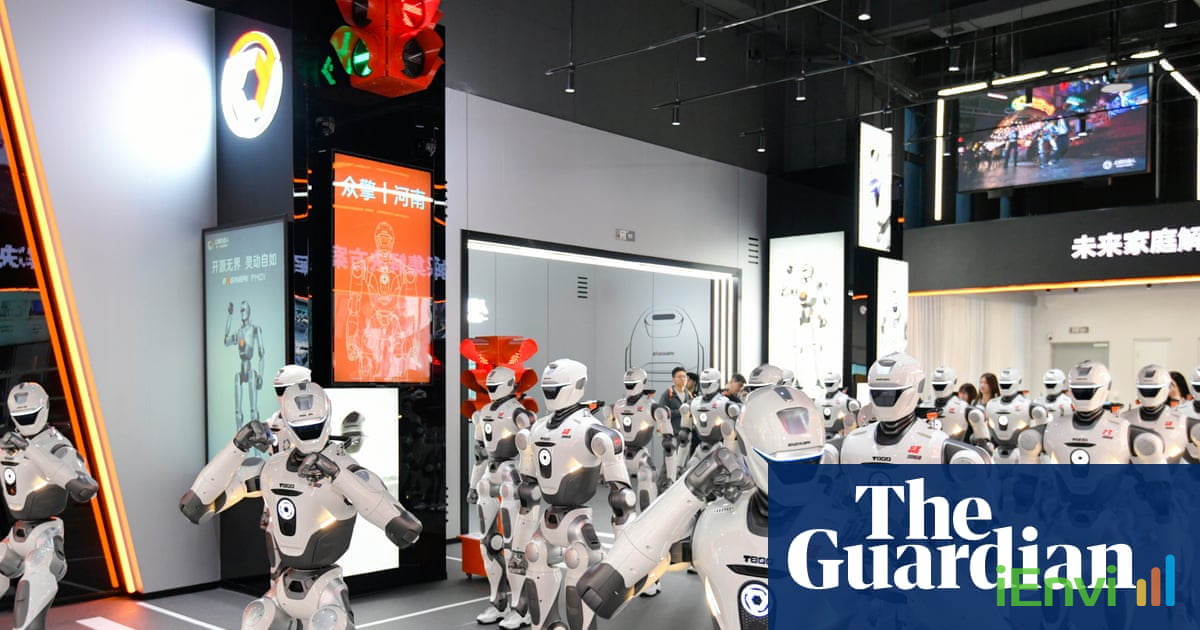
The United States Federal Communications Commission (FCC) expanded its national security “Covered List” to block new equipment authorisations for foreign-produced advanced robotic devices, with the ban principally targeting humanoid robots, quadruped robot dogs, and connected power inverters manufactured in foreign adversary nations, most notably China. FCC Chairman Brendan Carr framed the decision as a direct defence of American critical infrastructure, stating: “The FCC will continue to do our part to secure America’s critical supply chains.” A senior administration official reinforced the rationale, noting that “economic security is national security” in the context of emerging and critical technologies.
The ruling represents a dramatic escalation in the US-China technology contest, shifting the arena from digital software and semiconductors into the physical hardware layer of the artificial intelligence economy. Chinese manufacturers such as Unitree had been aggressively penetrating US academic, research, and industrial markets with competitively priced humanoid platforms, including the G1 model at approximately USD 16,000 (roughly AUD 24,000 at current exchange rates). That pipeline of next-generation low-cost foreign bipedal and quadruped hardware into the US market is now effectively closed for any model not already holding an FCC equipment authorisation prior to the ruling’s effective date.
For Australian technology professionals, infrastructure developers, and legal and commercial advisors, this decision carries significant indirect implications. Australia’s industrial robotics procurement, data centre energy infrastructure planning, and supply chain governance frameworks all have direct exposure to the globalised manufacturing networks now being restructured by this ruling. Understanding the technical specifics of the FCC decision is essential for organisations reviewing their technology strategy, capital project planning, and procurement risk posture.
Key Details of the FCC Ruling and Its Technical Thresholds
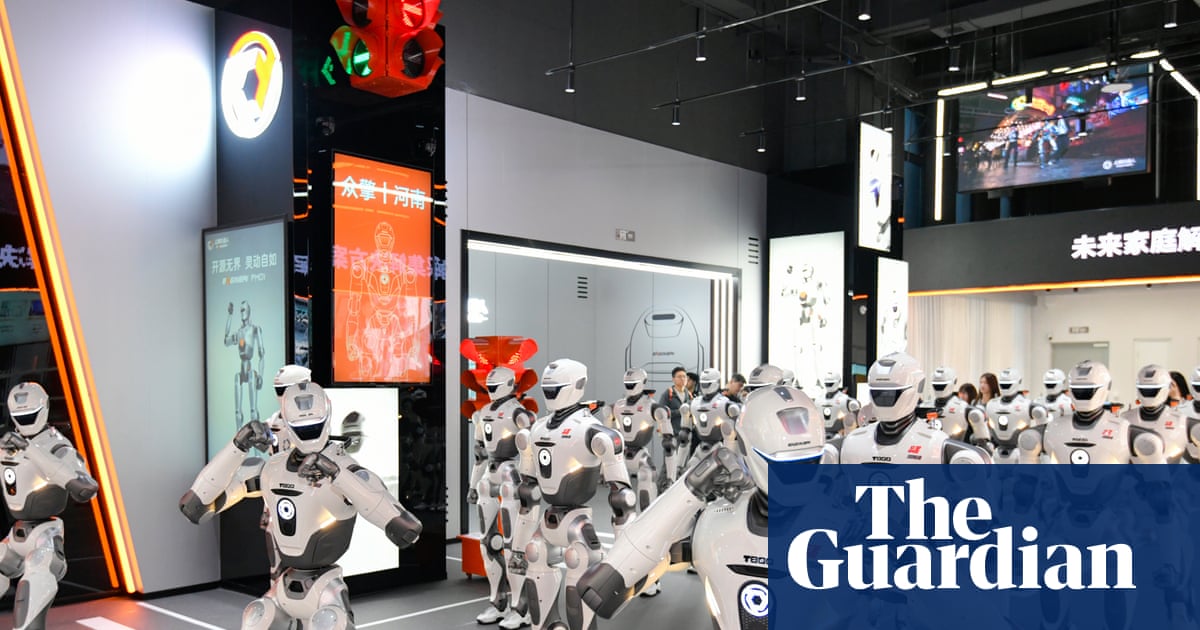
The FCC’s expanded Covered List prohibits new equipment authorisations for what the agency formally defines as “advanced robotic devices.” The regulatory definition encompasses mechanical mobile systems, including humanoids, quadrupeds, and autonomous mobile robots, that are capable of ground locomotion, navigation, and obstacle avoidance, and that operate at a distance from a human supervisor based on commands or sensor data. This definition is deliberately broad and captures a wide range of commercially available and emerging industrial platforms beyond simple wheeled autonomous mobile robots.
A critical compliance threshold embedded in the ruling requires that any new foreign-designed robot seeking a licence for the US market must contain at least 65 per cent US-made components by value. This threshold functions as a near-impassable barrier in practice. Advanced AI inference chips, high-torque actuators, precision sensor arrays including LiDAR and depth cameras, and the battery systems that power these platforms are all sourced from highly globalised supply chains with deep Chinese manufacturing integration. Meeting a 65 per cent domestic content threshold would require fundamental redesign of supply chains that have taken years to develop, making the barrier effectively prohibitive for most current foreign manufacturers seeking new market entry.
The ban also explicitly targets connected power inverters used to link utility-scale battery storage systems and renewable energy generation assets to the grid infrastructure serving AI data centres. This is a significant technical detail that extends the ruling’s reach well beyond robotics. Data centre developers relying on Chinese-manufactured grid-tie inverters for their energy systems, whether for renewable integration or battery backup, now face a constrained supply market for new installations. The capital expenditure implications are material, as alternative inverter supply chains from non-adversary nations carry premium pricing and, in some cases, longer lead times.
Importantly, the ban is prospective rather than retrospective. Existing models that held valid FCC equipment authorisations before the ruling’s effective date, including Unitree’s G1, R1, H2, Go2, and A2 platforms, are grandfathered and remain legal to import, sell, operate, and service in the United States. This creates a two-tier market: grandfathered hardware retains commercial value and legality, while any new model or substantially updated variant from a covered foreign manufacturer cannot obtain market authorisation. Security researchers identified “wormable” Bluetooth exploits and potential firmware backdoors in widely deployed foreign robotic systems as a key technical catalyst for the regulatory response, raising specific concerns about remote control vulnerability, data exfiltration, and localised surveillance capacity.

Australian Context: Supply Chains, Critical Infrastructure, and Technology Governance
Australia does not operate under FCC jurisdiction, but the practical consequences of this ruling flow directly into Australian markets through shared global supply chains, technology procurement decisions, and the policy signals that US regulatory action sends to allied nations. Australia’s own critical infrastructure security framework, the Security of Critical Infrastructure Act 2018 (Cth) and its 2021 and 2022 amendments, already imposes positive security obligations on owners and operators of critical infrastructure assets across 22 sectors, including data storage and processing, energy, and water. The Australian Signals Directorate (ASD) and the Department of Home Affairs have consistently flagged supply chain integrity as a priority risk domain. The FCC ruling reinforces the direction of travel in allied-nation policy and signals that organisations procuring advanced robotic systems or grid-connected energy hardware should be conducting rigorous supply chain provenance assessments as part of their standard governance and risk management processes.
References and related sources
- Primary source: www.theguardian.com
- robozaps.com
- aa.com.tr
- youtube.com
- patrika.com
- NEPM Assessment of Site Contamination
How iEnvi can help
iEnvi integrates technology and data-driven approaches into environmental consulting. We monitor AI and technology developments that affect how environmental professionals deliver services to clients.
This is an iEnvi Machete news summary. Prepared by iEnvi to summarise the source article for environmental professionals tracking AI, data, and technology developments that affect consulting and project delivery.
Published: 29 Jul 2026
Need advice on this topic? Speak to an iEnvi expert at info@ienvi.com.au or 1300 043 684, or contact us online.
Need advice on this issue? iEnvi provides practical, senior-led environmental consulting across contaminated land, remediation, ecology and environmental risk.
Contaminated land advice Remediation services Discuss your site Talk to iEnvi