
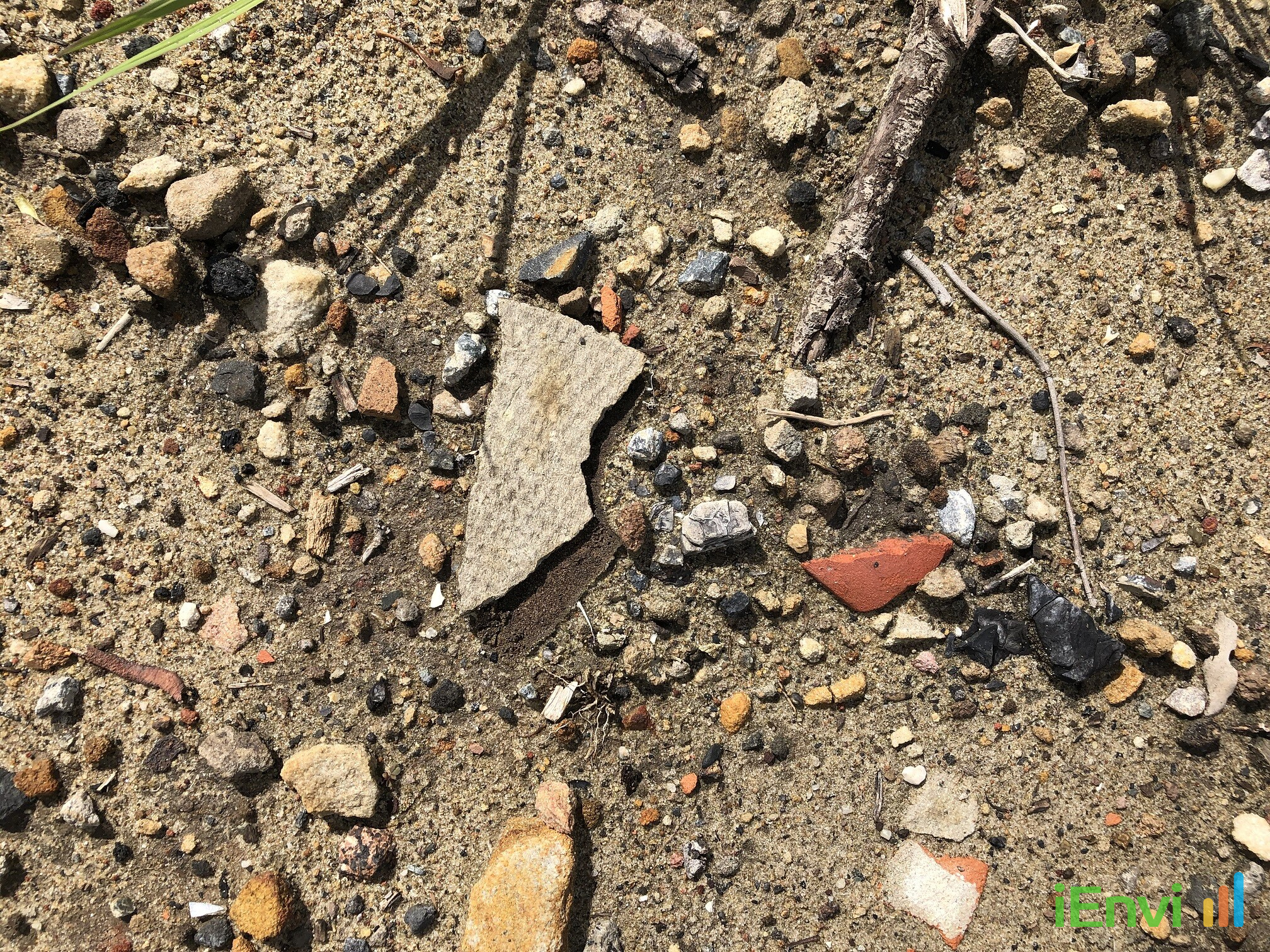
Victorian Court Hands Down Record $60,000 Individual Fine and $1 Million Clean-Up Order for Illegal Waste Dumping at Diamond Creek
Overview of the EPA Victoria Diamond Creek Prosecution
On 21 July 2023, the Heidelberg Magistrates Court delivered what is believed to be the most significant personal penalty ever imposed on an individual under the Environment Protection Act 2017 (Vic). Joseph Chetcuti, the owner of a 19,000 square metre property on Black Gully Road in Diamond Creek, Victoria, was fined $60,000 and ordered by the court to fund a clean-up estimated to exceed $1 million. The ruling followed guilty pleas to two charges brought by EPA Victoria relating to illegal receipt and burning of industrial waste and asbestos-contaminated soil, and deliberate non-compliance with a formal regulatory notice.
The case is significant for several reasons that extend well beyond its local facts. It confirms that Victorian courts are prepared to impose maximum personal penalties on individual landowners, not merely on corporate entities, for serious environmental offences. It also establishes that court-ordered remediation obligations attach to the individual rather than the land title, meaning the liability cannot be extinguished through a property sale. For environmental practitioners, developers, civil contractors, waste managers, and their legal advisers operating across Australia, this ruling introduces a new benchmark against which personal exposure to contaminated land liability should be measured.
The property first came to regulatory and emergency attention in May 2025 during an active fire. What investigators discovered was not opportunistic dumping but a highly organised, industrial-scale operation involving the receipt, sorting, burning, and stockpiling of construction and demolition waste alongside asbestos-contaminated soil. The sophistication of the operation, combined with continued illegal importation even after service of a formal Environmental Action Notice, shaped the court’s reasoning and the severity of the outcome.
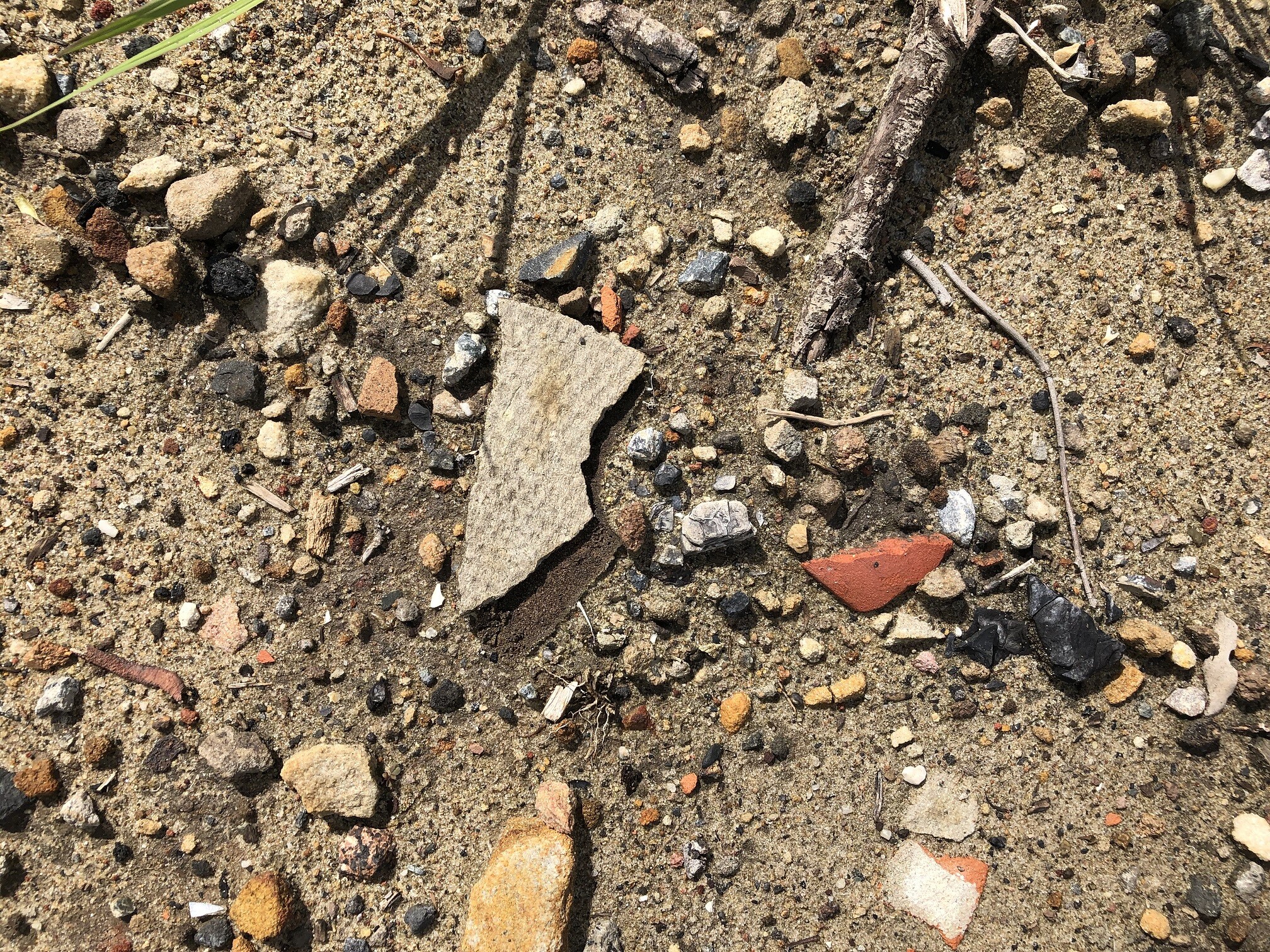
Key details of the Diamond Creek prosecution and enforcement action
Chetcuti pleaded guilty to two distinct charges under the Environment Protection Act 2017 (Vic). The first charge related to depositing and receiving industrial waste and reportable priority waste at a site not licensed to receive it. Under Victoria’s waste framework, reportable priority waste is a defined category covering materials that pose a significant risk to human health or the environment and that require specific handling, transport documentation, and disposal at licensed facilities. Construction and demolition waste containing asbestos falls squarely within this classification. The second charge was non-compliance with an Environmental Action Notice (EAN) issued under Section 290(1) of the Act, which carries its own standalone penalty provisions separate from the primary dumping offence.
EPA Victoria served the EAN on 14 May 2025, following the fire and initial site investigations. The notice directed Chetcuti to immediately cease accepting and burning waste on the property, to formally classify all existing waste stockpiles in accordance with the Victorian waste classification framework, and to obtain independent verification from a suitably qualified occupational hygienist confirming that asbestos had been appropriately identified and removed. Chetcuti did not comply. EPA Victoria subsequently gathered evidence of ongoing illegal waste importation through aerial photography and active vehicle surveillance. This is a notable enforcement methodology because it demonstrates that the regulator is no longer reliant solely on physical inspections and tip-offs, and that evidence gathering extends to continuous remote monitoring of site activity.
The financial outcome of the prosecution is striking in its two-part structure. The $60,000 fine, which is understood to represent the highest individual penalty ever issued under the current Act, reflects the court’s assessment of personal culpability. The separate court-ordered clean-up obligation, projected to exceed $1 million, is not a fine but a mandatory remediation requirement. The distinction matters legally because the clean-up order is binding on Chetcuti personally, irrespective of any future change in property ownership. A subsequent purchaser of the land may inherit a contaminated site, but the financial obligation for remediation rests with the individual who was the subject of the court order. This has direct implications for how contaminated land liabilities are assessed in property transactions involving properties with known or suspected regulatory history.
The contamination profile at the Diamond Creek site included stockpiles of construction and demolition waste and soil confirmed to contain asbestos. Asbestos in soil is assessed and managed in Victoria with reference to WorkSafe Victoria guidance and EPA Victoria’s approach to priority waste, and the presence of asbestos-contaminated soil triggers specific requirements for occupational hygienist involvement, air monitoring during disturbance, and disposal at licensed asbestos waste facilities. The scale of the stockpiling, across a 19,000 square metre site, means that the remediation programme will involve substantial excavation, hazardous waste classification, waste tracking documentation, and licensed disposal, which is consistent with the projected cost exceeding $1 million.
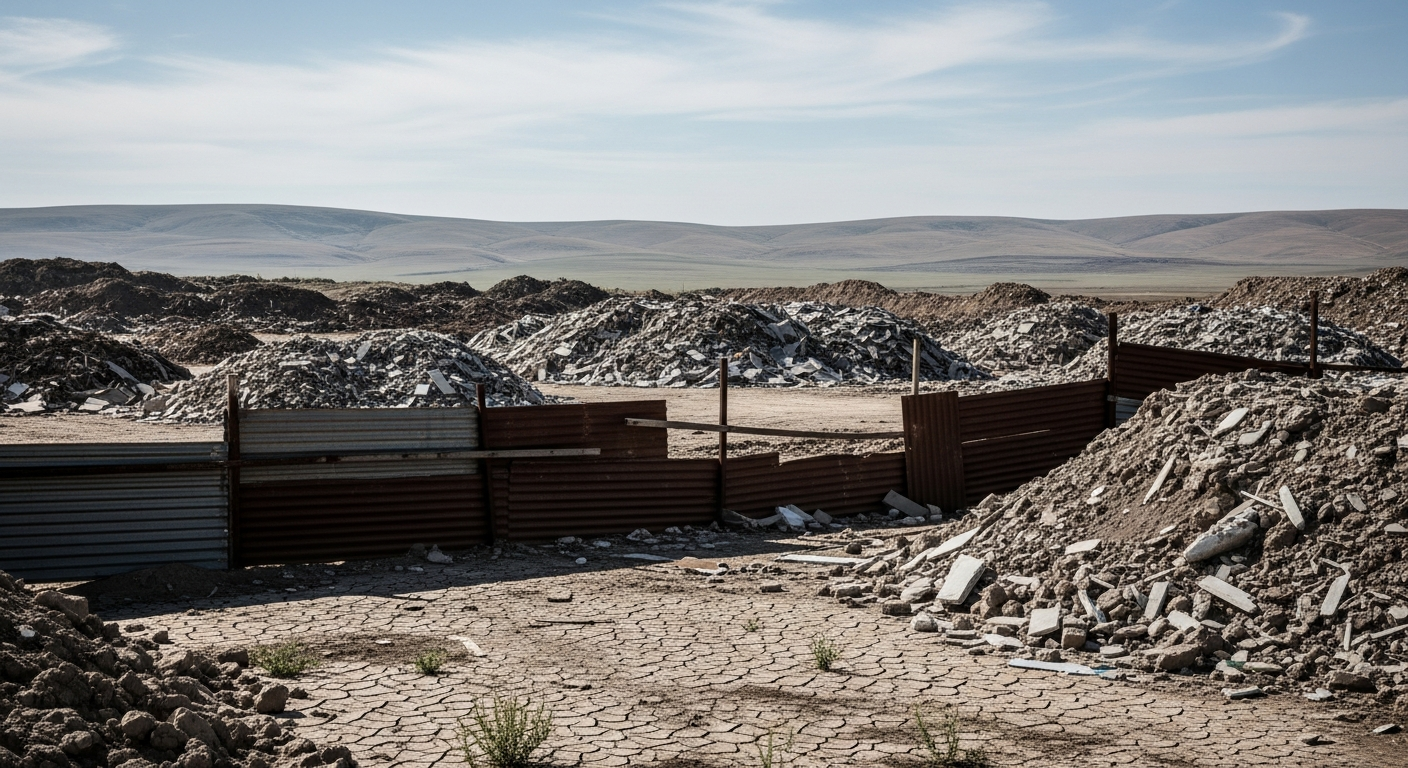
Australian context: how this ruling reflects and reinforces the national contaminated land and waste regulatory landscape
Victoria’s Environment Protection Act 2017 (Vic) introduced a significantly strengthened framework for environmental duty of care when it took full effect in 2021. The Act moved away from a prescriptive, activity-specific licensing regime toward a general environmental duty applicable to any person who could reasonably foresee that their activities might harm human health or the environment. This shift placed individual landowners, occupiers, and operators under the same duty of care obligations previously associated primarily with licensed industrial operators, and it is within that broader framework that the Diamond Creek prosecution must be understood.
References and related sources
How iEnvi can help
iEnvi provides specialist consulting services relevant to this topic. Our team includes CEnvP Site Contamination Specialists with experience across contaminated land, groundwater, remediation, ecology, and regulatory compliance.
- iEnvi contaminated land services
- iEnvi remediation services
- iEnvi asbestos services
- iEnvi expert services and independent review services
This is an iEnvi Machete news summary. Prepared by iEnvi to summarise the source article for contaminated land, groundwater, remediation, approvals and site risk professionals.
Published: 22 Jul 2026
Need advice on this topic? Speak to an iEnvi expert at info@ienvi.com.au or 1300 043 684, or contact us online.
Need advice on this issue? iEnvi provides practical, senior-led environmental consulting across contaminated land, remediation, ecology and environmental risk.
Team credentials Contaminated land services Remediation services Groundwater services Talk to iEnvi