
Overview: WA’s Draft Water Plan Proposes Near-Doubling of Fitzroy River Groundwater Allocation
The Western Australian government released a draft water allocation plan in May 2026 proposing to increase groundwater extraction from the Fitzroy River catchment from approximately 32 gigalitres (GL) to 75.7 GL. That represents a 137% increase in the regional groundwater allocation for one of the most ecologically sensitive river systems in the world. Environmental conservationists and community advocates responded swiftly, warning that the proposal fails to adequately account for the dependency of the Fitzroy River’s most critical species on groundwater-fed surface pools during the dry season.
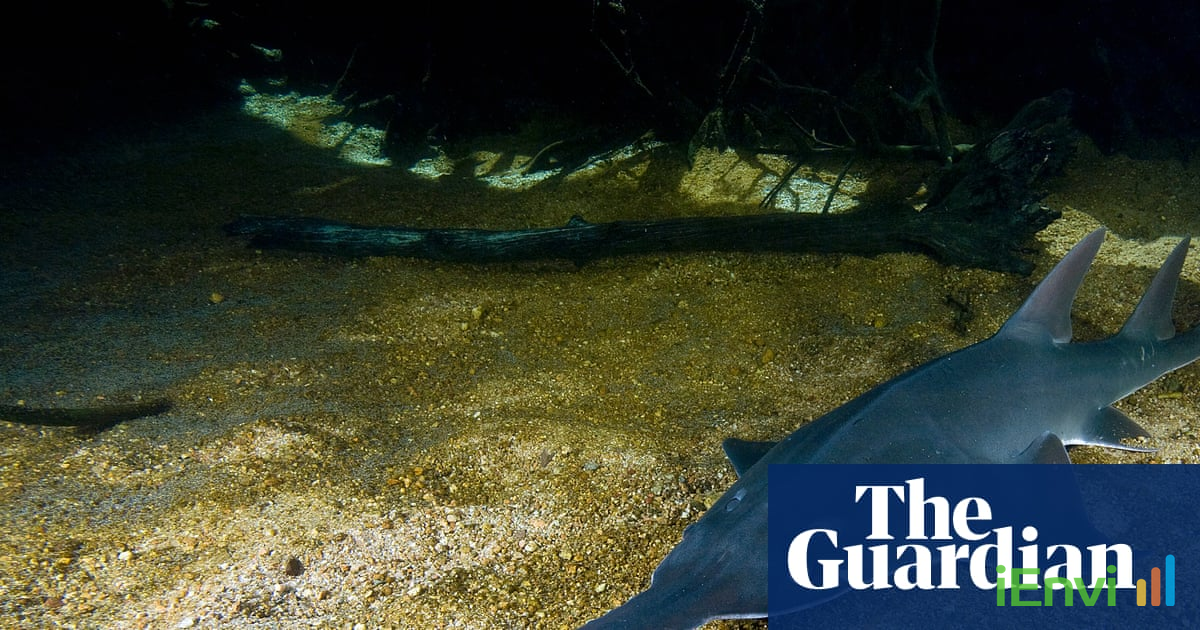
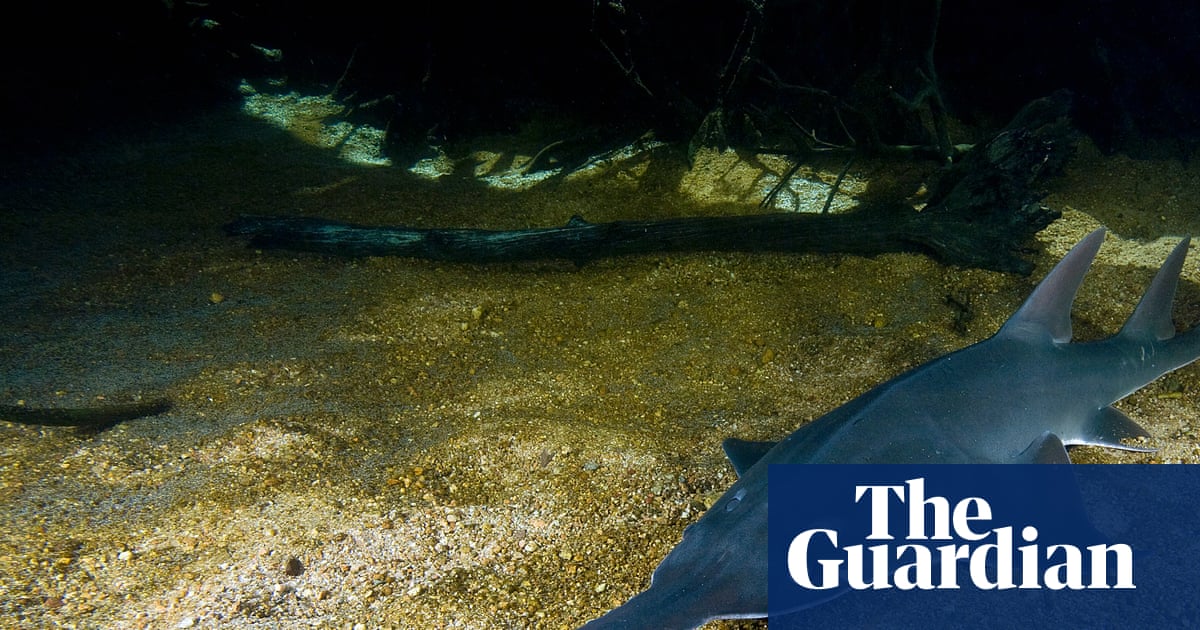
The Fitzroy River, located in the Kimberley region of Western Australia, is recognised internationally as the last remaining stronghold for four of the world’s five sawfish species, including the largetooth sawfish (Pristis pristis), which is listed as endangered under the Environment Protection and Biodiversity Conservation Act 1999 (EPBC Act). The deep, permanent pools that persist through the dry season in this catchment are not simply a product of surface hydrology. They are sustained by baseflow contributions from connected aquifer systems. Advocates argue that increasing groundwater extraction at the proposed scale risks depleting those pools at exactly the time of year when sawfish have no alternative refuge.
For environmental practitioners, water resource planners, and project proponents operating across northern Australia, this case is a landmark signal. It brings into sharp focus a challenge that has been building for several years: how do you demonstrate sustainable groundwater use when the ecological receptor you need to protect is a groundwater-dependent ecosystem (GDE) underpinned by complex and seasonally variable aquifer-surface water connectivity? The regulatory and legal expectations associated with answering that question are becoming more demanding, not less.
Key details: Allocation volumes, species status, and the hydrogeological mechanism at risk
The proposed uplift from 32 GL to 75.7 GL represents an additional 43.7 GL of groundwater extraction annually from the Fitzroy River catchment. To put that in practical terms, 43.7 GL is equivalent to approximately 43,700 megalitres, or enough water to fill around 17,500 Olympic swimming pools. The draft plan reflects growing demand from pastoral and resource sector interests in the region, which have long pointed to what they characterise as under-utilised groundwater resources. Environmental advocates contest that framing vigorously, arguing that the existing allocation is already the upper limit of what the system can sustain without ecological harm.
The largetooth sawfish is listed as endangered under the EPBC Act and is also listed on the IUCN Red List as critically endangered globally. The Fitzroy River catchment supports not only largetooth sawfish but also three other sawfish species, making it the most significant freshwater sawfish habitat on the planet. The mechanism through which increased groundwater extraction threatens these species is not straightforward surface water depletion. It operates through what hydrogeologists call groundwater-surface water connectivity: when aquifer water levels drop in response to extraction pressure, the baseflow contribution to surface pools diminishes, pools become shallower and potentially thermally and chemically unsuitable, and the refuges that allow sawfish to survive the dry season are compromised. Modelling the extent and timing of that drawdown effect across a catchment of this scale requires transient numerical groundwater models, not simple water balance spreadsheets.
The Kimberley region receives highly seasonal rainfall, with the vast majority concentrated in the wet season between November and April. During the dry season, river flow ceases across most of the catchment and the persistence of deep pools is almost entirely dependent on groundwater contribution. Baseline monitoring data collected over multiple dry seasons is needed to establish the relationship between aquifer levels and pool depths. Without that baseline, it is not possible to construct a defensible predictive model of how a 43.7 GL increase in extraction will affect pool conditions across the catchment at the spatial and temporal resolution regulators and courts would expect in a contested approval process.
Environment Protection Australia (EPA), the new federal environmental regulator established on 1 July 2025 under the Nature Positive (Environment Protection Australia) Act 2024, is now operational and is developing its assessment frameworks. Projects that interact with EPBC-listed threatened species, including the largetooth sawfish, are potential triggers for Commonwealth involvement in what might previously have been treated as a state-level water licensing matter. How the new body will apply national assessment benchmarks to GDE impacts, and how those benchmarks will interface with state water resource planning processes under the Water Resources Act 2007 (WA) and the Rights in Water and Irrigation Act 1914 (WA), is still developing. Proponents and their consultants need to be monitoring that guidance in real time.
Australian context: Groundwater-dependent ecosystems, national reform, and the regulatory intersection
Groundwater-dependent ecosystems are formally recognised in Australian environmental policy and assessment practice, but the frameworks for protecting them have historically been fragmented and inconsistent in their application. The Australian and New Zealand Guidelines for Fresh and Marine Water Quality (ANZG 2018) provide ecological guidance values for freshwater systems that are relevant to GDE assessment, but they do not directly address the groundwater-surface water connectivity question at the heart of the Fitzroy River case.
References and related sources
- Primary source: www.theguardian.com
- iclg.com
- https://www.theguardian.com/environment/article/2026/may/24/endangered-sawfish-a
How iEnvi can help
iEnvi provides specialist consulting services relevant to this topic. Our team includes CEnvP Site Contamination Specialists with experience across contaminated land, groundwater, remediation, ecology, and regulatory compliance.
- iEnvi groundwater services
- iEnvi remediation and validation services
- iEnvi expert services and independent review services
This is an iEnvi Machete news summary. Prepared by iEnvi to summarise the source article for contaminated land, groundwater, remediation, approvals and site risk professionals.
Published: 24 May 2026
Need advice on this topic? Speak to an iEnvi expert at info@ienvi.com.au or 1300 043 684, or contact us online.
Need advice on this issue? iEnvi provides practical, senior-led environmental consulting across contaminated land, remediation, ecology and environmental risk.
Team credentials Contaminated land services Remediation services Groundwater services Talk to iEnvi