
Overview
A world-first global assessment published in Marine Pollution Bulletin in June 2026 has mapped the scale and trajectory of per- and polyfluoroalkyl substance (PFAS) contamination across more than 70 species of toothed whales, dolphins, and porpoises. The study was led by researchers from the University of Wollongong’s (UOW) Marine Vertebrate Ecology Lab, in collaboration with the University of Technology Sydney (UTS), Massey University, and the Australian Department of Industry, Science and Resources. It represents the most comprehensive cross-species, global-scale compilation of cetacean PFAS data assembled to date, and its findings have direct implications for how ecological risk assessments are framed for coastal and marine-adjacent projects.
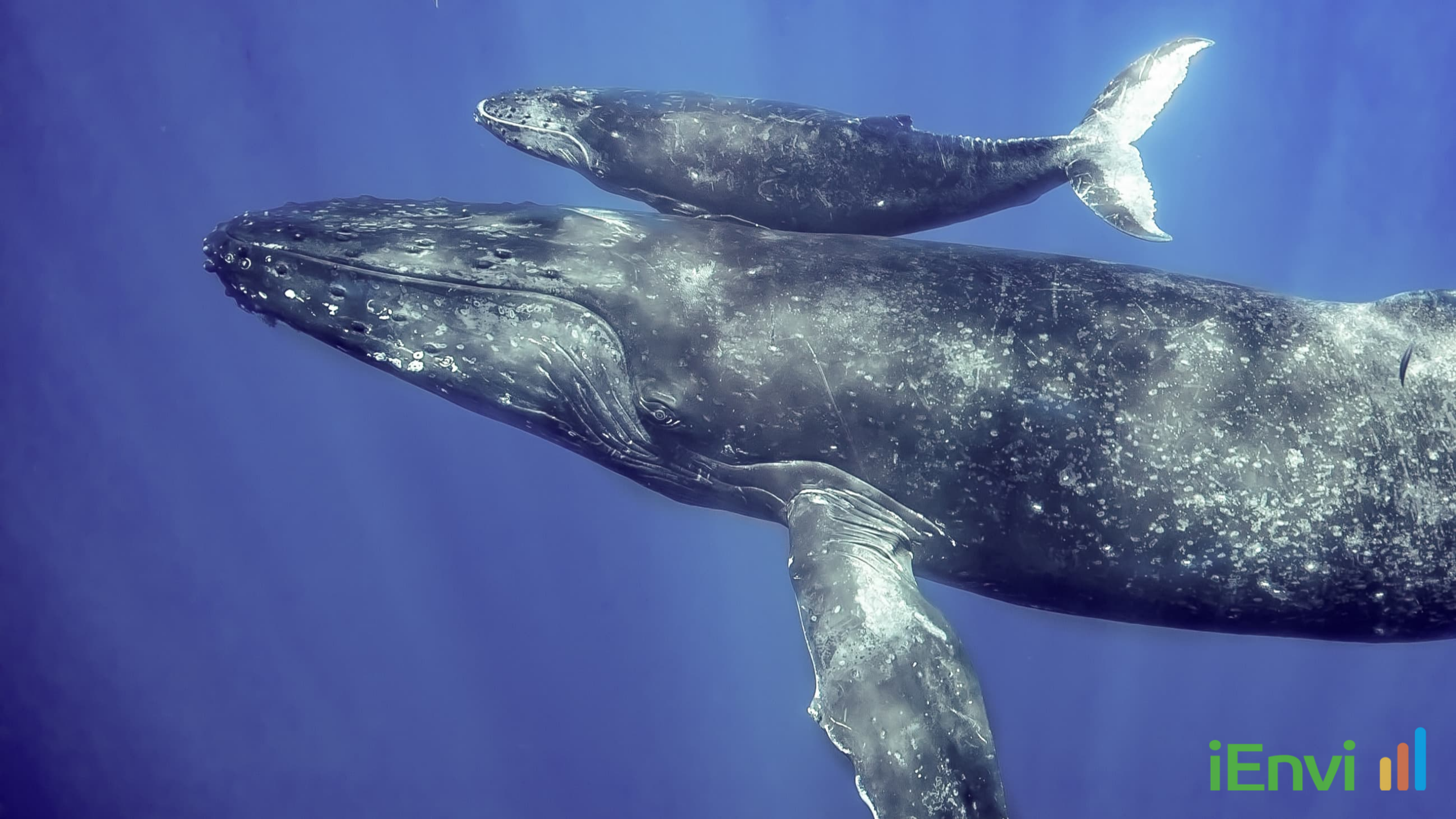
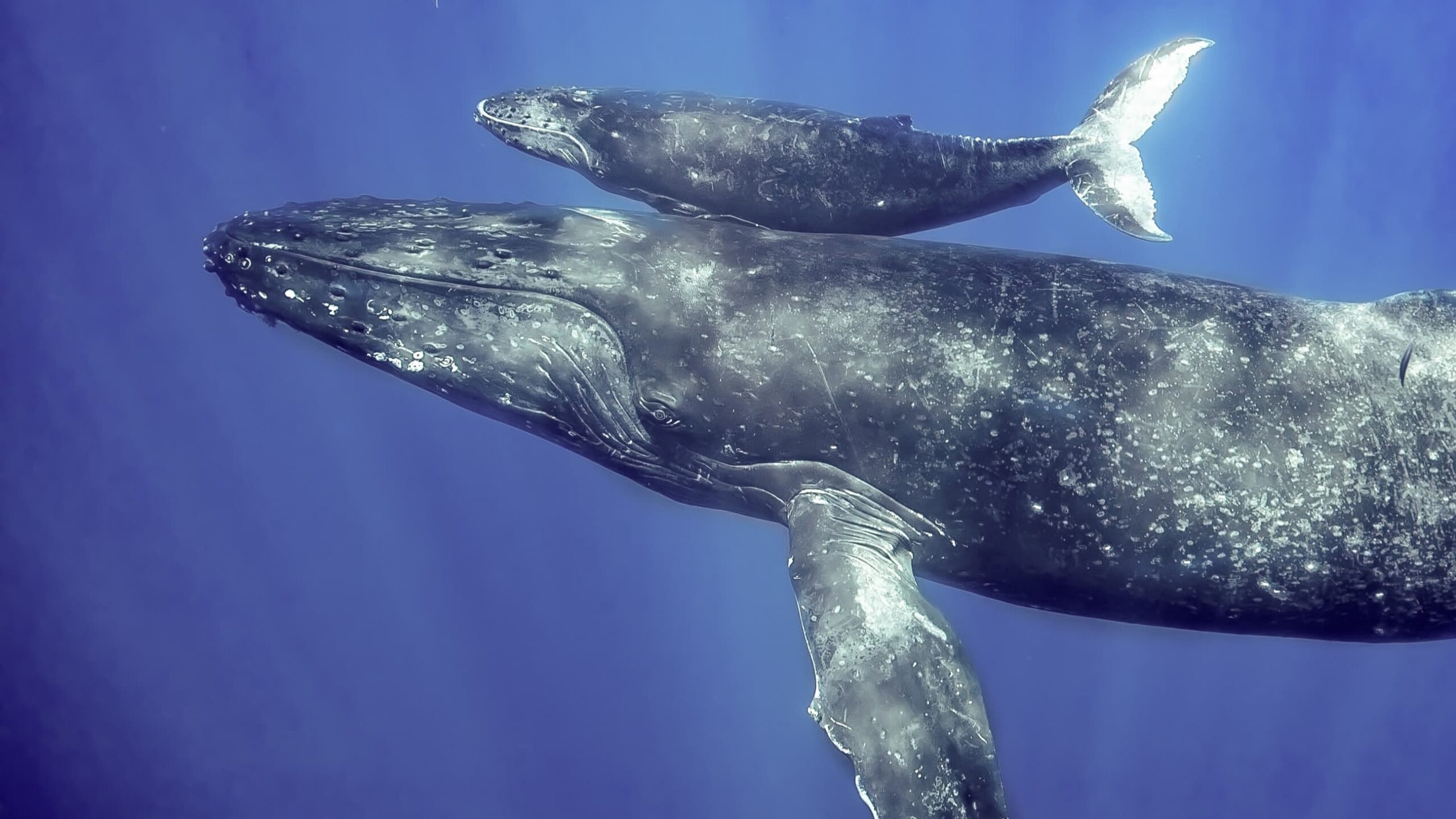
The research confirms that PFAS concentrations in cetaceans are rising globally, with animals in the Pacific Ocean carrying some of the highest recorded burdens. Humpback dolphins emerged as particularly contaminated among the species examined. Critically, the study identified sex and age as key predictors of PFAS body burden, with young males accumulating the highest concentrations, while adult females transfer a substantial proportion of their accumulated PFAS load to their offspring through the placenta and breast milk. PFAS has been directly detected in the milk of bottlenose dolphins sampled in both Australia and the United States, establishing a confirmed maternal transfer pathway that standard ecological risk models do not currently account for.
For environmental professionals advising developers, port authorities, councils, and industrial operators with coastal assets or legacy contamination adjacent to waterways, this study fundamentally challenges the adequacy of conventional marine risk assessment methodology. The evidence that sex-stratified bioaccumulation and maternal offloading are active exposure pathways in Australian waters means that ecological risk characterisation for PFAS-affected coastal sites must evolve beyond simple water-column concentration comparisons.
Key details of the UOW PFAS cetacean study and its scientific findings
The UOW-led study compiled and analysed PFAS concentration data spanning more than 70 cetacean species globally, covering toothed whales, dolphins, and porpoises. The dataset drew on published literature and newly generated sample data, making it the broadest cross-species synthesis of its kind. Pacific Ocean cetaceans exhibited the highest overall contamination levels, with humpback dolphins (genus Sousa) recording particularly elevated PFAS burdens. The study examined a range of PFAS compounds across the class, not solely perfluorooctane sulfonate (PFOS) or perfluorooctanoic acid (PFOA), reflecting the complex mixture exposure profile that characterises real-world contamination in marine environments.
The finding that young males carry the highest PFAS concentrations has significant implications for exposure modelling. Unlike persistent organic pollutants where females may accumulate higher burdens due to lipid dynamics, the PFAS pattern in cetaceans reflects a fundamentally different mechanism. Adult females actively offload their accumulated PFAS burden to calves via placental transfer and lactation. This depresses measured concentrations in adult females while simultaneously elevating exposure in calves during the most developmentally sensitive period of their lives. PFAS detection in bottlenose dolphin milk in Australia confirms this pathway is active in local populations, not merely in northern hemisphere or captive animals.
The study’s findings highlight the limitations of relying on water-column concentrations as the primary indicator of ecological risk in marine environments. PFAS compounds with higher bioaccumulation potential concentrate progressively through the food web, meaning that even sites where measured water concentrations remain near or below default guideline values can still present meaningful risks to long-lived upper trophic receptors such as dolphins and whales. Because cetaceans range across large geographic areas and integrate exposure over decades-long lifespans, their tissue concentrations reflect cumulative loading from both point and diffuse sources across entire catchments and marine regions, not just conditions at a single discharge point.
The confirmation that PFAS is bioaccumulating and biomagnifying in marine megafauna at measurable and rising concentrations also strengthens the scientific basis for regulatory scrutiny of bioaccumulation pathways in ecological risk assessments. The study provides peer-reviewed, species-specific evidence that can be directly referenced in conceptual site model development and risk characterisation reports prepared under national and state frameworks in Australia.
Australian context: PFAS NEMP 3.0, ANZG 2018, and state-based obligations for coastal sites
Australia’s regulatory framework for PFAS-affected sites has been progressively strengthened, with the PFAS National Environmental Management Plan (PFAS NEMP) most recently updated to version 3.0. The PFAS NEMP provides the national framework for ecological risk assessment of PFAS contamination, including guidance on bioaccumulation pathways and the need for food-web considerations in assessments where marine or estuarine receptors are relevant. The UOW study’s findings sit directly within the evidentiary base that regulators are increasingly drawing on when scrutinising ecological risk assessments submitted for coastal and port-adjacent contaminated land projects. Assessments that rely solely on water-column comparisons against the Australian and New Zealand Guidelines for Fresh and Marine Water Quality (ANZG 2018) default guideline values (DGVs) for marine aquatic ecosystems will face growing difficulty demonstrating that risks have been adequately characterised and managed.
References and related sources
- Primary source: www.uow.edu.au
- xinhuanet.com
- msacsolutions.com
- PFAS National Environmental Management Plan (NEMP)
- NEPM Assessment of Site Contamination
- ANZG Water Quality Guidelines
How iEnvi can help
iEnvi provides specialist consulting services relevant to this topic. Our team includes CEnvP Site Contamination Specialists with experience across contaminated land, groundwater, remediation, ecology, and regulatory compliance.
- iEnvi PFAS services
- iEnvi remediation and validation services
- iEnvi expert services and independent review services
This is an iEnvi Machete news summary. Prepared by iEnvi to summarise the source article for contaminated land, groundwater, remediation, approvals and site risk professionals.
Published: 21 Jun 2026
Need advice on this topic? Speak to an iEnvi expert at info@ienvi.com.au or 1300 043 684, or contact us online.
Need advice on this issue? iEnvi provides practical, senior-led environmental consulting across contaminated land, remediation, ecology and environmental risk.
Team credentials Ecological risk assessment Environmental management plans Contaminated land advice Talk to iEnvi