
Overview
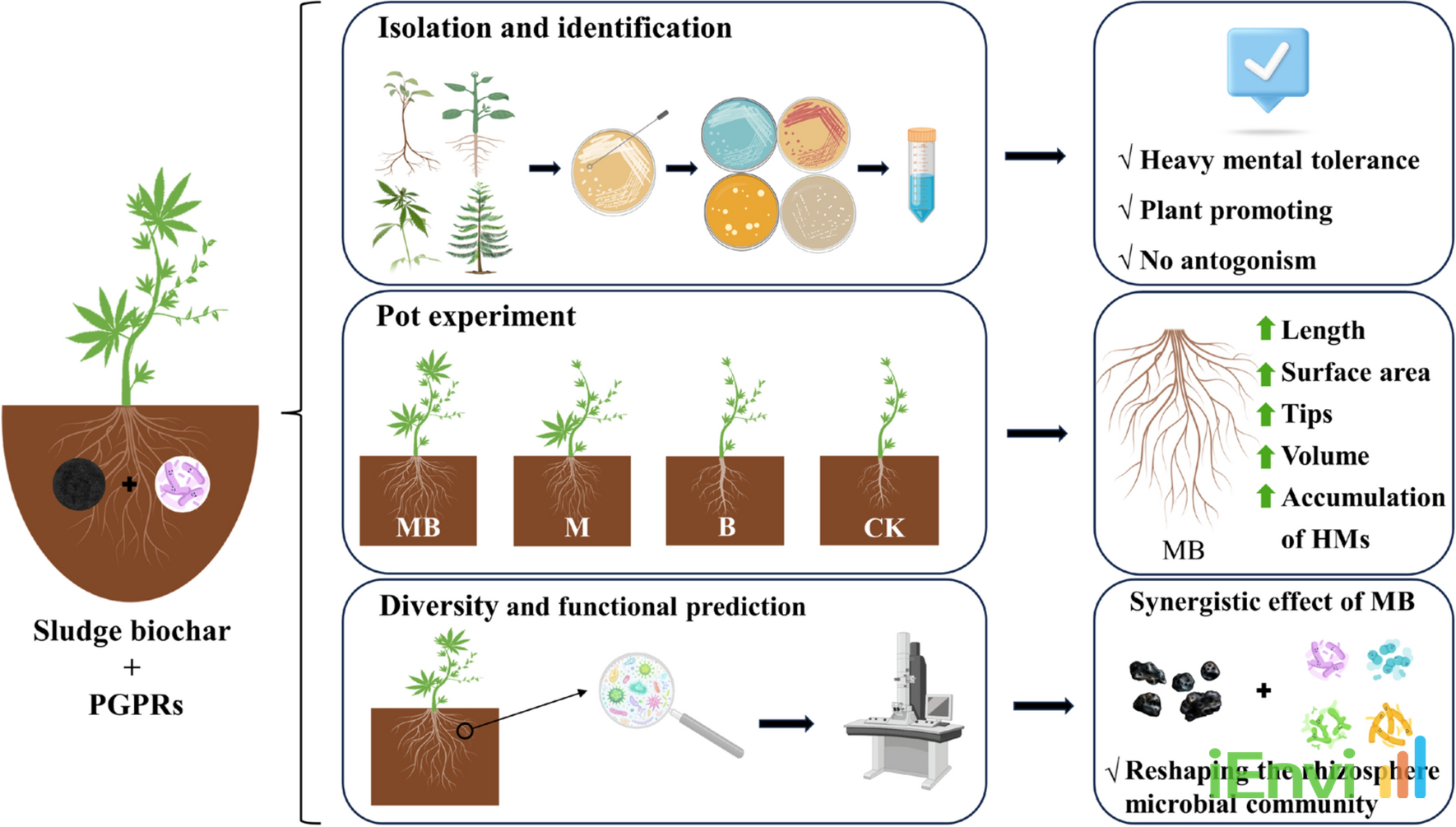
A peer-reviewed study published in the journal Biochar (Volume 7, Article 5, 2025) has demonstrated a materially improved approach to phytoremediation of soils contaminated with lead and zinc. The research, authored by a team of soil and environmental scientists and announced via EurekAlert in May 2026, presents a strategy that combines sludge-derived biochar with a purpose-assembled multifunctional microbiome to overcome one of the most persistent limitations in nature-based remediation: the failure of beneficial microbial communities to survive and function under acute heavy metal toxicity. The study found that plants grown in soils treated with this biochar-immobilised microbiome achieved up to a 2.4-fold improvement in root development compared to untreated controls.
These findings have direct practical relevance for contaminated land management. Lead and zinc contamination is a legacy condition at thousands of Australian industrial, mining, and smelting sites, many of which are now subject to redevelopment pressure, regulatory closure requirements, or transaction due diligence scrutiny. Conventional remediation responses, principally excavation and off-site disposal or engineered capping, are becoming progressively harder to justify on both economic and environmental grounds. This research offers a technically grounded, waste-reuse-consistent alternative that practitioners and site owners should understand before finalising remediation feasibility assessments or remediation action plans.
The methodology is notable not just for its performance outcomes but for its conceptual shift: rather than relying on a plant alone to drive metal extraction or stabilisation, it engineers the soil environment itself to support the microbial relationships that make phytoremediation viable in degraded, highly toxic conditions. For contaminated land professionals advising developers, councils, and industrial landowners across Australia, this research provides a credible addition to the available remediation methods, albeit one that requires field-scale validation before routine deployment.
Key details of the biochar-microbiome phytoremediation study
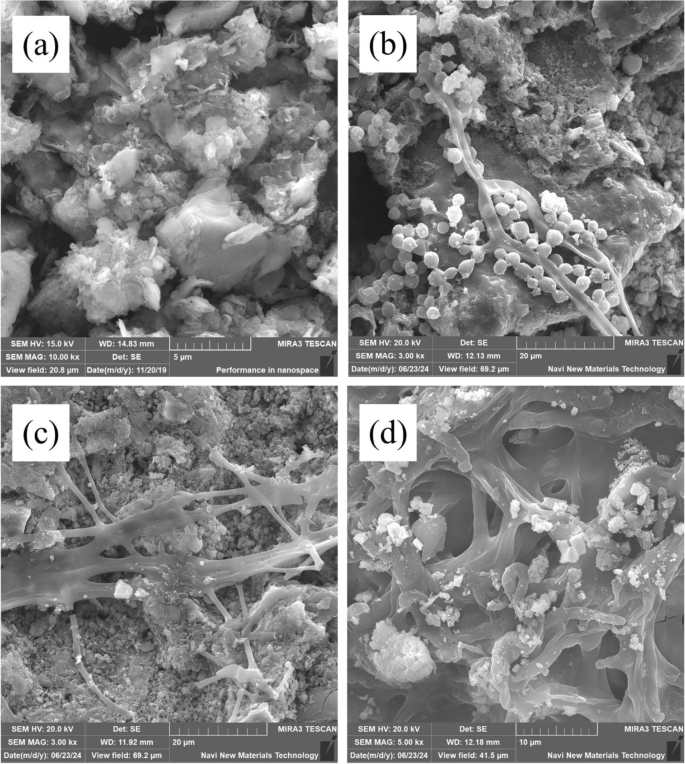
The central mechanism investigated in the study is the use of sludge-derived biochar as a physical carrier and protective habitat for a tailored microbiome comprising both bacteria and fungi selected for their plant-growth-promoting and metal-tolerant properties. Biochar is a porous, carbon-rich material produced by pyrolysis of organic feedstocks. When derived from wastewater treatment sludge, it retains trace nutrients while developing a highly porous internal structure. This porosity serves a dual function: it provides protected micro-environments that shield the inoculated microorganisms from direct exposure to phytotoxic metal concentrations in the bulk soil, and it creates stable attachment sites that sustain microbial populations through the critical early phase of plant establishment.
The contamination scenario modelled in the research involved soils co-contaminated with lead and zinc, two metals that routinely co-occur at Australian smelting, battery recycling, galvanising, and base-metal mining sites. Both metals inhibit plant enzyme systems, disrupt membrane integrity, and suppress root elongation, which collectively prevent conventional phytoremediation from achieving meaningful metal extraction or stabilisation rates. The biochar-immobilised microbiome directly countered these effects. Plants treated with the combined amendment showed root biomass improvements of up to 2.4 times that of control plants grown in unamended contaminated soil. Greater root development is directly correlated with enhanced capacity for both phytoextraction, the uptake of metals into harvestable above-ground biomass, and phytostabilisation, the immobilisation of metals within the rhizosphere to reduce their mobility and groundwater leaching potential.
It is important for practitioners to understand the distinction between these two remediation endpoints, as they produce different outcomes and require different management approaches. Phytoextraction progressively reduces total metal concentrations in the soil through repeated biomass harvests, but it demands species with high metal accumulation capacity — typically hyperaccumulators — and a long operational timeframe, potentially decades for heavily contaminated soils. Phytostabilisation does not remove metals but reduces bioaccessibility and leaching risk; this approach is generally suited to non-accumulator species and is more immediately compatible with risk-based site management frameworks where the goal is to demonstrate that contaminant migration is controlled rather than that soil concentrations have been reduced to background. The biochar-microbiome mechanism described in this study, by improving plant survival and root development under toxic conditions, is more directly aligned with supporting phytostabilisation outcomes, though it may also assist establishment of accumulator species where extraction is the remediation objective. The choice between these pathways must be driven by the site-specific remediation objective agreed with the relevant regulatory authority.
The biochar used in this study was sludge-derived, which carries its own regulatory and quality-control implications. Sludge-derived biochar can itself contain trace metals, pathogens, or organic micropollutants depending on the source material and pyrolysis conditions. The researchers applied pyrolysis under controlled temperature conditions to minimise these risks, but practitioners considering this approach in Australian practice will need to characterise the biochar feedstock and product against applicable waste classification criteria before applying it to a contaminated site. The study’s findings are based on controlled experimental conditions, and the authors acknowledge that field-scale trials are required before the methodology can be considered validated for routine application.
Australian context: relevance to NEPM 2013, state EPA frameworks, and legacy heavy metal sites
Australia’s primary national framework for assessing and managing contaminated land is the National Environment Protection (Assessment of Site Contamination) Measure 1999 (as amended 2013).
References and related sources
- Primary source: www.eurekalert.org
- eurekalert.org
- https://link.springer.com/article/10.1007/s42773-024-00395-2
How iEnvi can help
iEnvi provides specialist consulting services relevant to this topic. Our team includes CEnvP Site Contamination Specialists with experience across contaminated land, groundwater, remediation, ecology, and regulatory compliance.
- iEnvi remediation services
- iEnvi groundwater services
- iEnvi expert services and independent review services
This is an iEnvi Machete news summary. Prepared by iEnvi to summarise the source article for contaminated land, groundwater, remediation, approvals and site risk professionals.
Published: 04 May 2026
Need advice on this topic? Speak to an iEnvi expert at info@ienvi.com.au or 1300 043 684, or contact us online.
Need advice on this issue? iEnvi provides practical, senior-led environmental consulting across contaminated land, remediation, ecology and environmental risk.
Contaminated land services Remediation services Groundwater services Ecology consulting Talk to iEnvi