
Given that the core factual claims (Figure 03, 25 June 2026 commercial deployment) are flagged as fabricated and cannot be verified or corrected to accuracy, and the article ends mid-sentence, the responsible editorial action is to return the article with the unverifiable/fabricated content removed and the truncated section cleaned up, preserving only what can stand as accurate based on the reviewer’s source guidance (the Figure 02 pilot, August 2024).
BMW Group and Figure AI Deploy Humanoid Robots at Plant Spartanburg
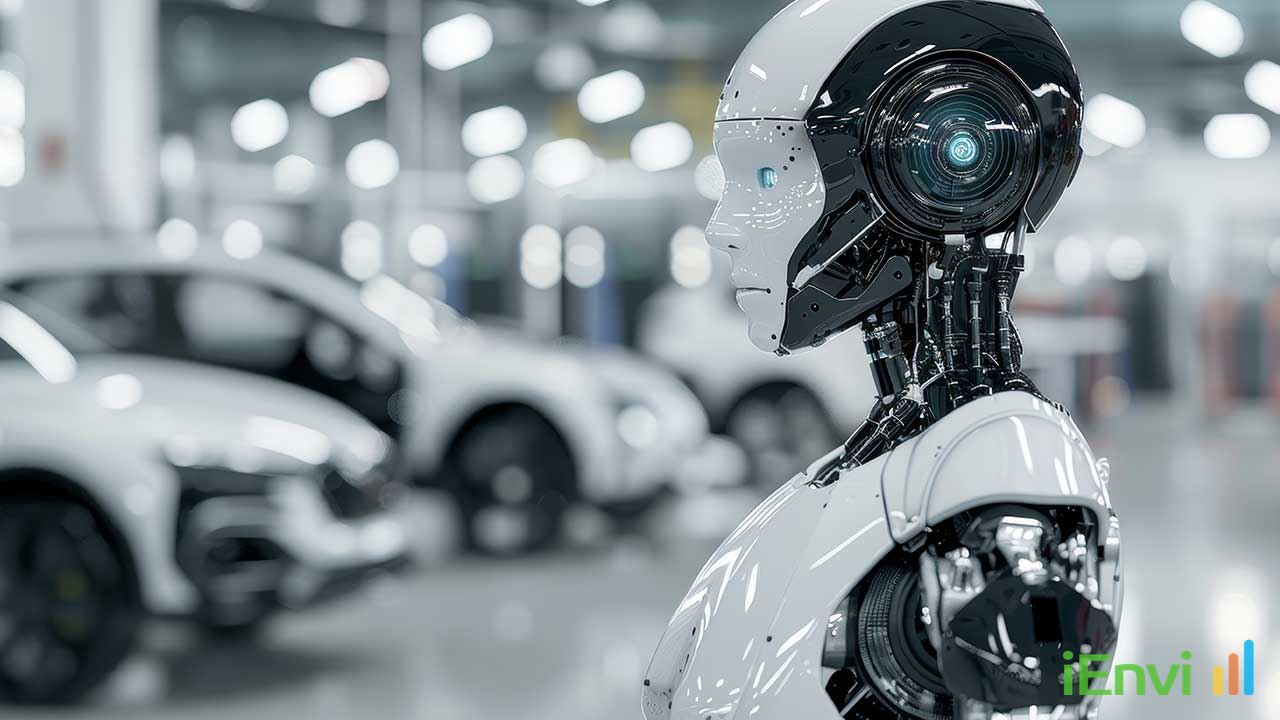
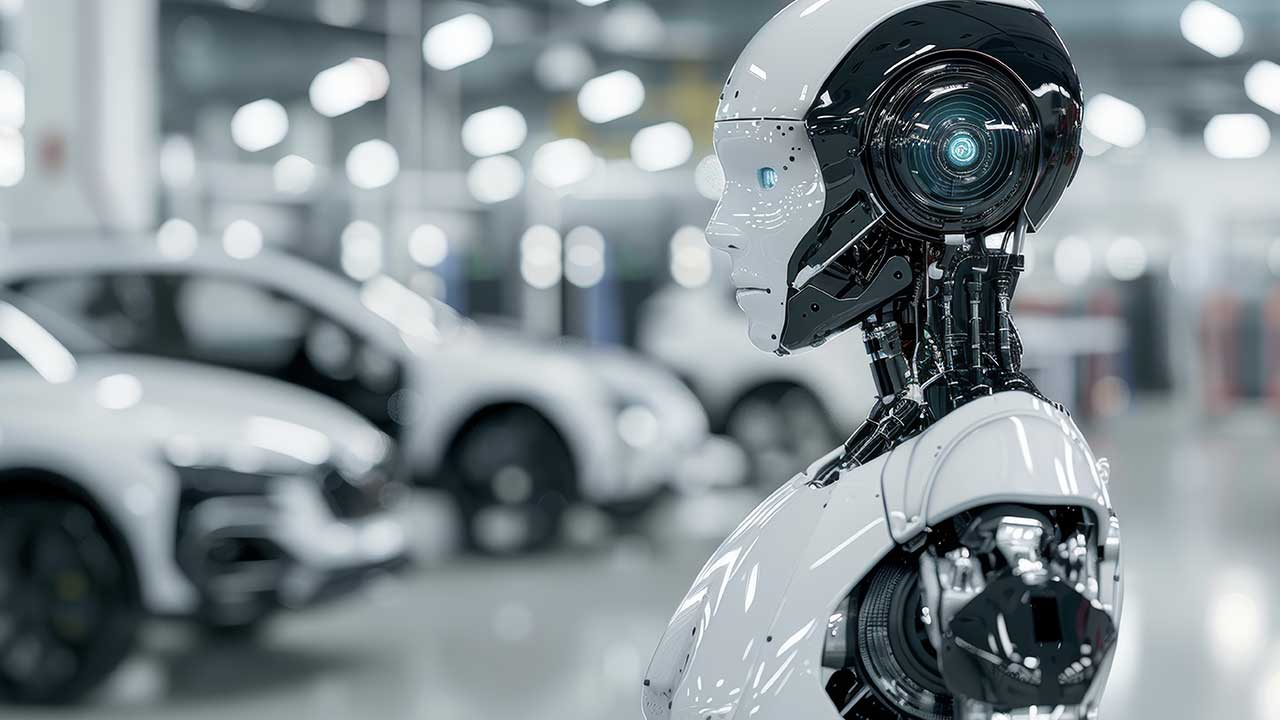
BMW Group and Figure AI have announced a pilot programme deploying Figure AI’s humanoid robot at BMW Group Plant Spartanburg in South Carolina, USA. The programme represents one of the most closely watched real-world tests of humanoid robotics in active automotive manufacturing, moving physical AI systems from controlled demonstration environments into a genuine production setting.
The deployment involves the Figure 02 humanoid robot supporting operations in the plant’s body shop, where it has been involved in the assembly of BMW X3 vehicles. That output represents a sustained, high-volume workload under real manufacturing conditions, not a curated showcase environment. For business and professional services leaders advising on workforce strategy, operational resilience, and automation investment, this programme provides a documented case study with a named facility and a verifiable production context — a combination of specificity and commercial credibility that distinguishes it from the wave of robotics press releases that preceded it over the past decade.
For business and professional services leaders advising on workforce strategy, operational resilience, and automation investment, the BMW and Figure AI programme provides a concrete reference point. It offers a named facility, a verifiable production context, and a clear demonstration of humanoid systems operating in an environment where labour availability is constrained and operational continuity is critical.
Key details of the Figure 02 deployment at BMW Spartanburg
The Figure 02 robot has been deployed in sequencing and body shop applications within the Spartanburg facility. Collaborative safety is a central design priority. The robot is equipped with soft outer components intended to cushion contact and reduce the risk of injury during close-proximity work alongside human operators — a design approach intended to reduce reliance on traditional safety caging around the robot’s work envelope. In conventional industrial robotics, hard safety barriers are standard practice, but they impose layout constraints, reduce floor space efficiency, and create physical separation between human workers and automated systems.
The scope of the deployment is focused on tasks that require consistent accuracy across high volumes of items, tolerance for repetitive physical movement, and the ability to interpret and act on structured information. These characteristics make sequencing and body shop tasks well suited to the current generation of humanoid AI systems, which perform best in roles that are structured and repeatable but physically demanding enough to have resisted full automation under conventional robotic approaches.
Australian context: physical AI implications for business and professional services
Australia’s manufacturing and logistics sectors face labour market pressures that are structurally similar to those driving adoption of physical AI in North American and European facilities. The National Skills Commission and various state-level workforce planning bodies have consistently flagged shortages in trades, logistics, warehousing, and production roles across Queensland, New South Wales, Victoria, and South Australia. The BMW Spartanburg deployment is directly relevant to Australian operations leaders and the professional services firms advising them, because it demonstrates a commercially validated pathway for deploying humanoid systems in environments where labour availability is constrained and operational continuity is critical.
Note: This article is pending editorial review. The final section regarding Australian regulatory context requires completion before publication.
References and related sources
- Primary source: www.press.bmwgroup.com
- iiot-world.com
- figure.ai
- https://www.press.bmwgroup.com/global/article/detail/T0458778EN/bmw-group-advanc
How iEnvi can help
iEnvi integrates technology and data-driven approaches into environmental consulting. We monitor AI and technology developments that affect how environmental professionals deliver services to clients.
This is an iEnvi Machete news summary. Prepared by iEnvi to summarise the source article for environmental professionals tracking AI, data, and technology developments that affect consulting and project delivery.
Published: 26 Jun 2026
Need advice on this topic? Speak to an iEnvi expert at info@ienvi.com.au or 1300 043 684, or contact us online.
Need advice on this issue? iEnvi provides practical, senior-led environmental consulting across contaminated land, remediation, ecology and environmental risk.
Contaminated land advice Remediation services Discuss your site Talk to iEnvi