
Australian Wildlife Traceability System: what coral operators must record from 4 November 2026
From 4 November 2026, Commonwealth-approved coral aquaculture operators in Queensland must record their trades in a new digital platform, the Australian Wildlife Traceability System (AWTS). Minister for the Environment and Water Murray Watt announced the $3.5 million system, which tags and tracks captive-bred and fragmented coral specimens from source to export. Its stated purpose is to give end-to-end supply chain transparency and to distinguish cultured corals from wild-harvested specimens. The system began operating on the day of the announcement.
The change is in how compliance is proven. Until now, a coral operator showed it was meeting its permit conditions mainly through its own records and paperwork. AWTS shifts that evidence into a secure, centrally held digital record that regulators can verify. The government has described the platform as a world first. It has also said the architecture will serve as a blueprint for wider national traceability of wildlife and ecological products.
The number of operators directly affected is small. Approved facilities are currently concentrated in Cairns, Bundaberg and Yeppoon. The wider audience should still pay attention. Because the Commonwealth has called AWTS a blueprint for broader traceability of wildlife and ecological products, environmental lawyers, restoration proponents and others working with wildlife-related approvals can read this launch as an early indication of where Commonwealth traceability requirements may head. For coral aquaculture permit holders, the shift has already happened: compliance must now be shown through auditable digital records rather than retrospective reports.
How AWTS tracks cultured corals from source to export
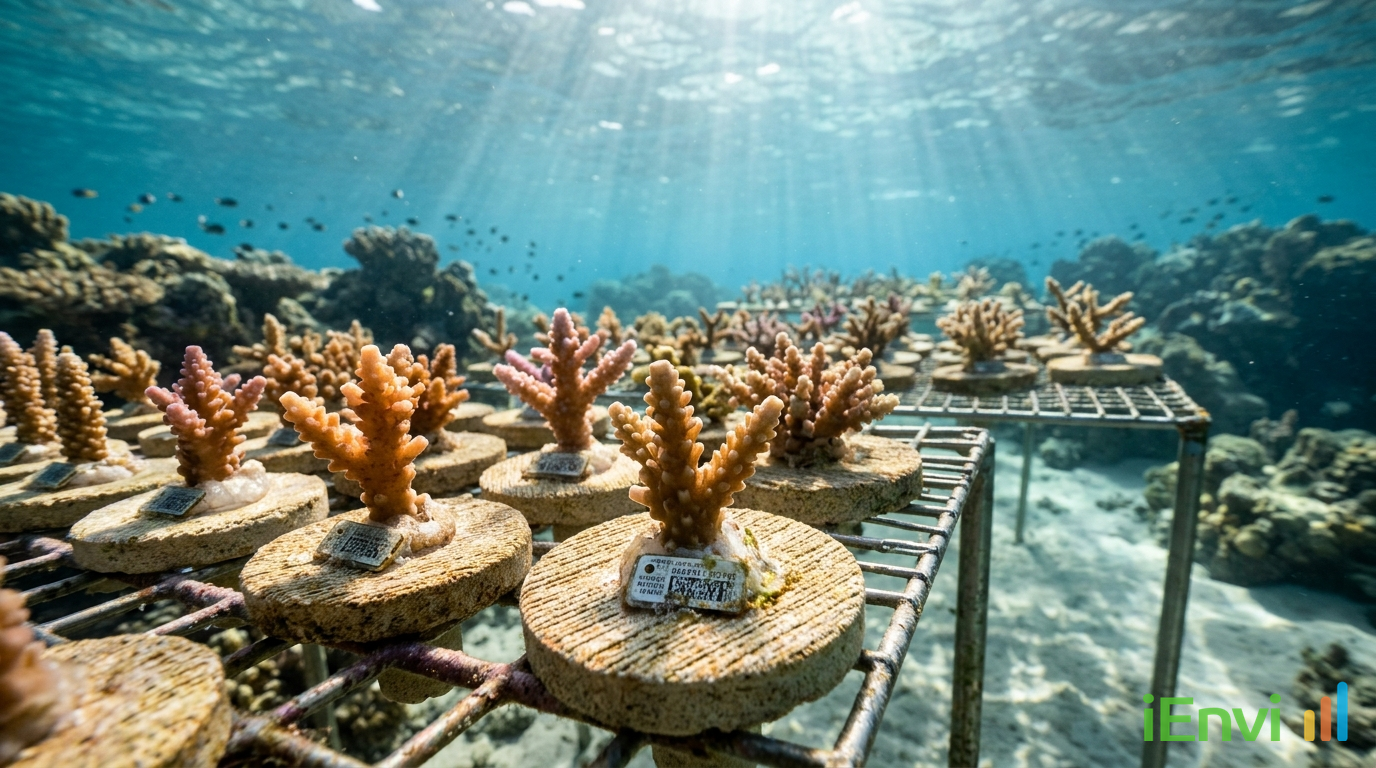
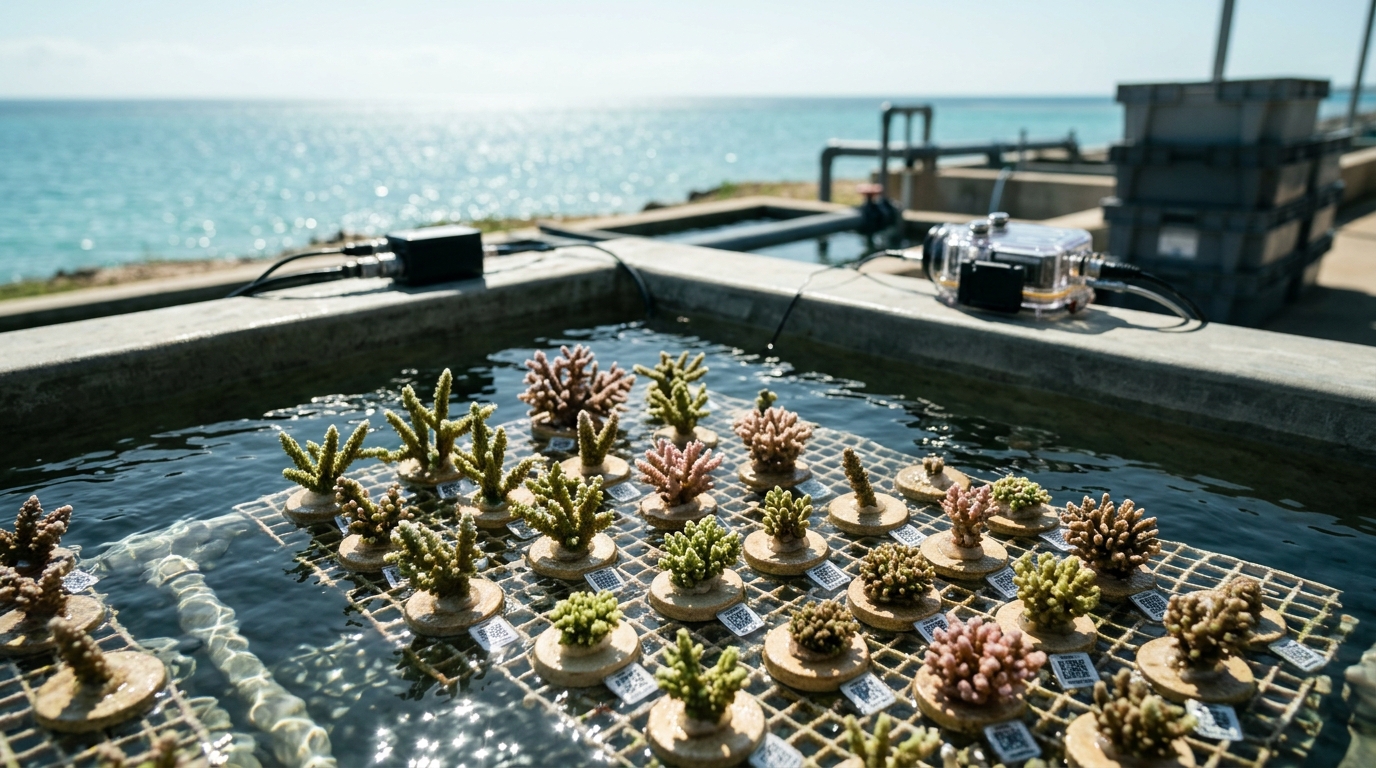
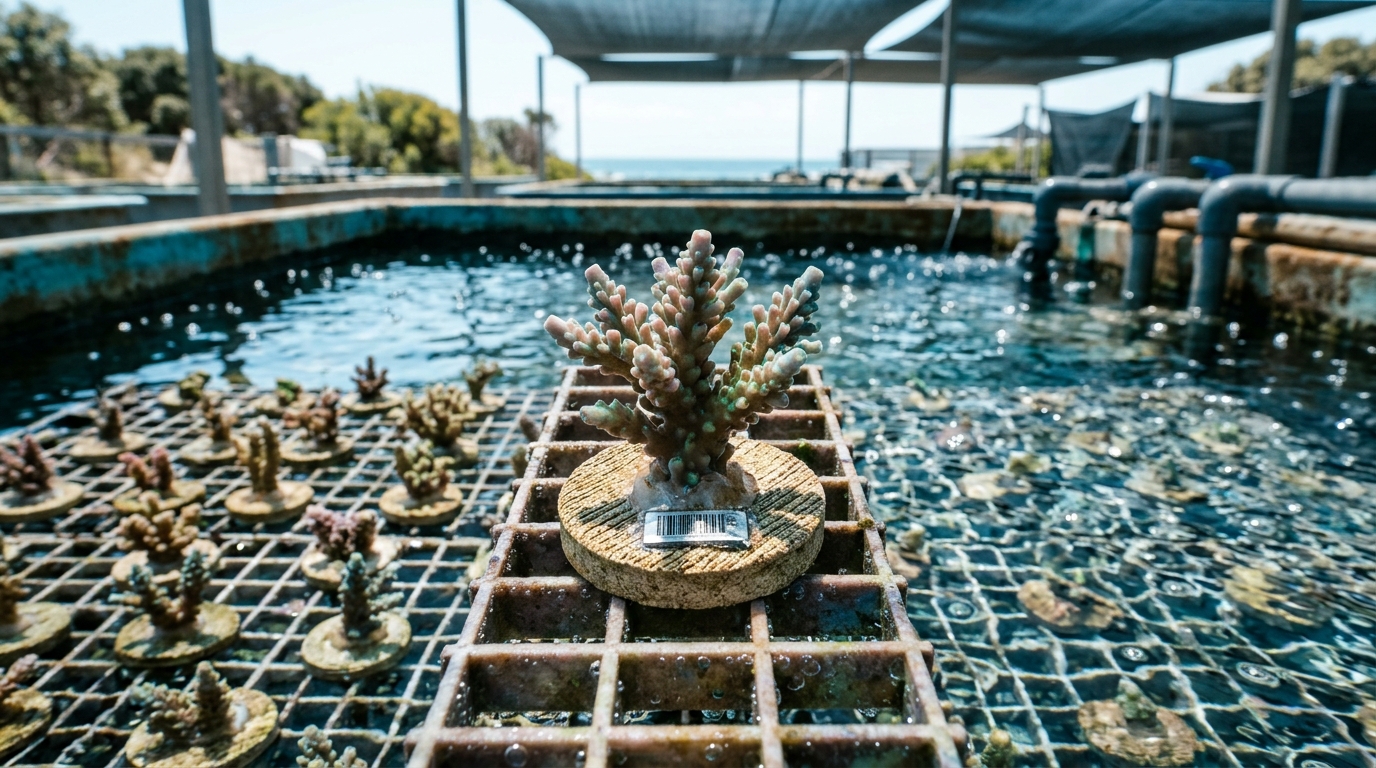
AWTS cost $3.5 million. The Commonwealth co-developed it with industry stakeholders, regulatory partners, scientists and the Australian technology firm OriginsNext. The platform tags captive-bred and fragmented corals and tracks them through the supply chain to the point of export. This creates a continuous chain of custody for each specimen. The central technical aim is to separate cultured corals from wild-harvested corals. Once a specimen leaves a facility, the two can be hard to tell apart by inspection alone.
Use of the system is mandatory through permit conditions. Proponents holding Commonwealth approvals for captive coral breeding and fragmentation must now log and track their trades through AWTS. Because the obligation sits in the permit conditions, a failure to record a trade is a breach of those conditions, not simply an administrative oversight. Operators therefore need their internal processes for stock movements, sales and exports to feed accurately into the platform from day one.
The system also covers restoration. The Australian Institute of Marine Science (AIMS) will integrate AWTS into the Australian Government’s Reef Trust-funded Pilot Deployments Program. That program grows sexually spawned corals and replants them onto the Great Barrier Reef. Tracking these corals through AWTS gives each deployment a verifiable record, linking the organisms grown in culture with those placed on the reef. Restoration outcomes are often reported in aggregate, so specimen-level traceability makes them easier to audit.
The fourth element is the Commonwealth’s statement about scope. The government has positioned AWTS as a blueprint for broader national traceability of wildlife and ecological products. The release does not set a timetable or name any other sectors. Practitioners should read it as a signal of direction, not a confirmed expansion.
Australian context
Commercial trade in hard corals rests on two instruments: the Convention on International Trade in Endangered Species of Wild Fauna and Flora (CITES) and Part 13A of the Environment Protection and Biodiversity Conservation Act 1999 (Cth). Hard corals (order Scleractinia) are listed on CITES Appendix II. Export of these corals requires a permit under Part 13A, which regulates the international movement of wildlife specimens. CITES trade depends on assurance that exports are legally sourced and not detrimental to wild populations. Reliably separating cultured stock from wild-collected stock supports that assurance directly. AWTS gives the Commonwealth a stronger evidence base for those trade decisions.
On the restoration side, AWTS sits within the Reef 2050 Long-Term Sustainability Plan and the Reef Trust. These are the main Commonwealth frameworks guiding Great Barrier Reef protection and restoration investment. Integrating the system into the Pilot Deployments Program means publicly funded restoration work will produce traceable records alongside its ecological monitoring data. This matters for anyone who later needs to show what was deployed, where and from which source. That group includes program managers, auditors and parties reporting against Reef 2050 objectives.
Digital chain-of-custody obligations are already familiar in Australian environmental regulation through the state waste tracking schemes:
- EPA Victoria’s Waste Tracker operates under the Environment Protection Act 2017.
- Queensland regulates trackable waste under the Environmental Protection Regulation 2019.
- NSW requires asbestos waste movements above set thresholds to be recorded through WasteLocate.
- South Australia’s EPA tracks the transport of listed wastes.
AWTS applies the same logic to biological material and ecological assets. In each case, the regulated party must produce a contemporaneous, verifiable record of movement that the regulator can interrogate without relying on the operator’s own account.
Practical implications
Coral aquaculture permit holders should act now. They should review their current permit wording to confirm exactly what AWTS logging requires. They should also map their internal stock and sales records against the data the platform needs. Discrepancies between a facility’s own inventory and its AWTS entries are likely to draw scrutiny at the next audit or export application. Staff training should make sure everyone who handles stock movements, sales or exports knows what must be entered in AWTS and when.
Restoration proponents involved in the Pilot Deployments Program should expect deployment records to be linked to AWTS as AIMS integrates the system. Others with wildlife-related approvals do not face any new obligation yet. They should watch for further Commonwealth announcements on extending the system, noting that none has been made so far.
References and related sources
- Primary source: minister.dcceew.gov.au
How iEnvi can help
iEnvi provides specialist consulting services relevant to this topic. Our team includes CEnvP Site Contamination Specialists with experience across contaminated land, groundwater, remediation, ecology, and regulatory compliance.
- iEnvi contaminated land investigation services
- iEnvi remediation and validation services
- iEnvi expert services and independent review services
This is an iEnvi Machete news summary. Prepared by iEnvi to summarise the source article for contaminated land, groundwater, remediation, approvals and site risk professionals.
Published: 04 Nov 2026
Need advice on this topic? Speak to an iEnvi expert at info@ienvi.com.au or 1300 043 684, or contact us online.
Need advice on this issue? iEnvi provides practical, senior-led environmental consulting across contaminated land, remediation, ecology and environmental risk.
Team credentials Contaminated land services Remediation services Groundwater services Talk to iEnvi