
Overview
A national report card assessing progress under the National Feral Deer Action Plan 2023-2028 has found that Australia is failing to contain the spread of feral deer, with annual economic and ecological damage now estimated at more than $91 million. The assessment, compiled by the National Vertebrate Pest Coordinators and reported by The Guardian on 30 October 2026, warns that without prompt intervention feral deer will become Australia’s next continent-wide vertebrate pest problem, comparable to feral pigs and rabbits.
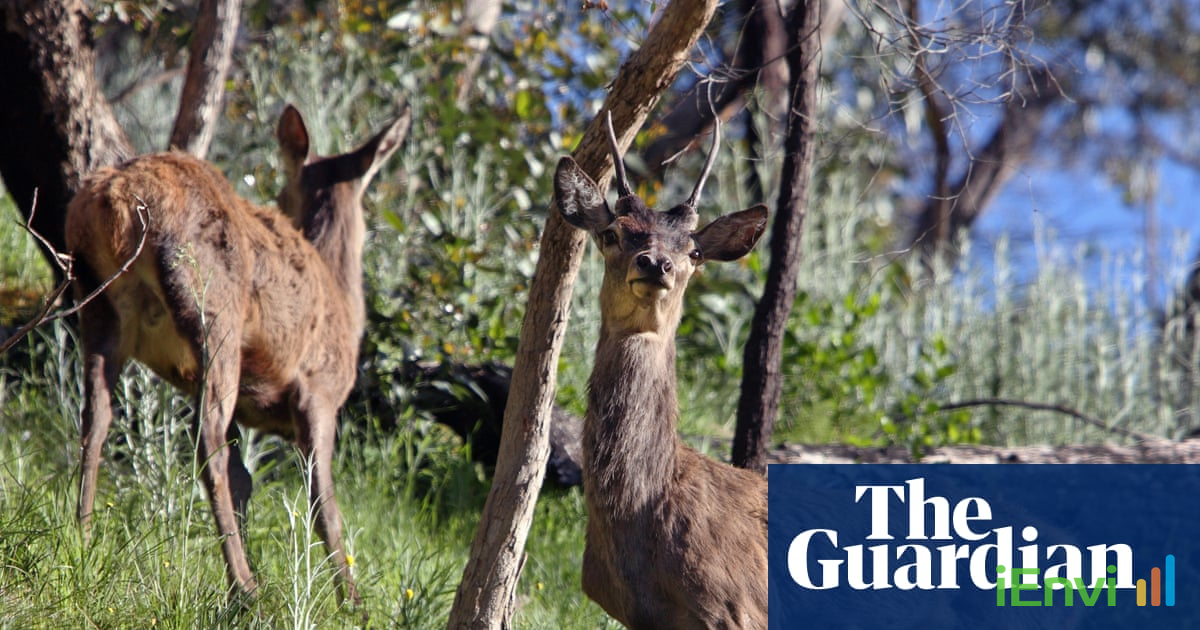
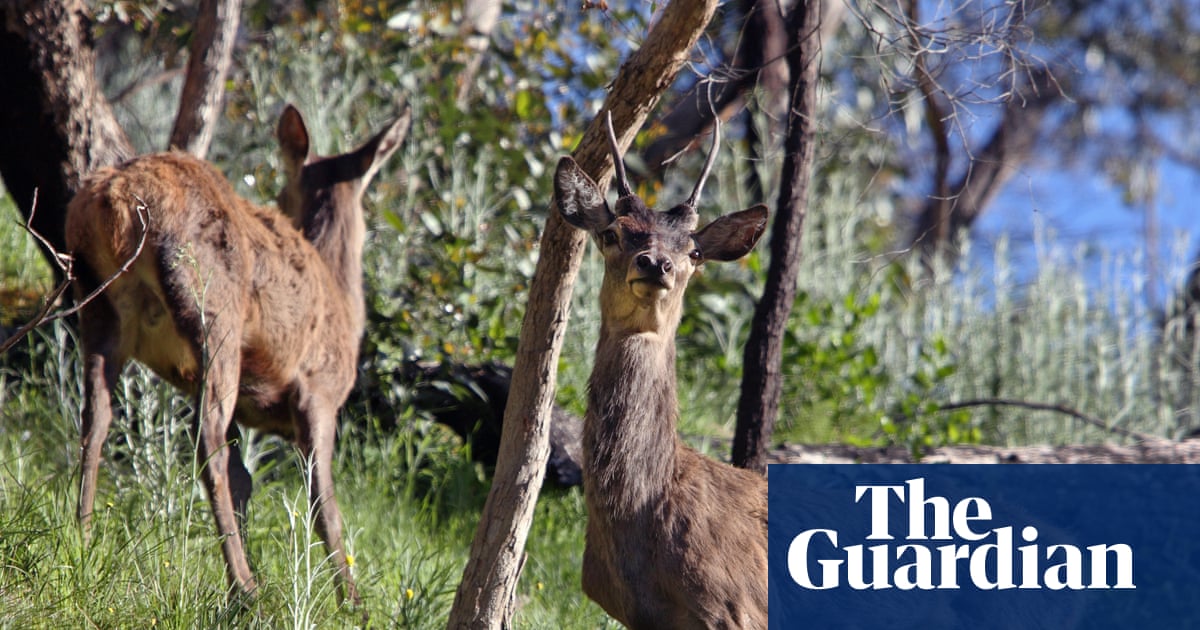
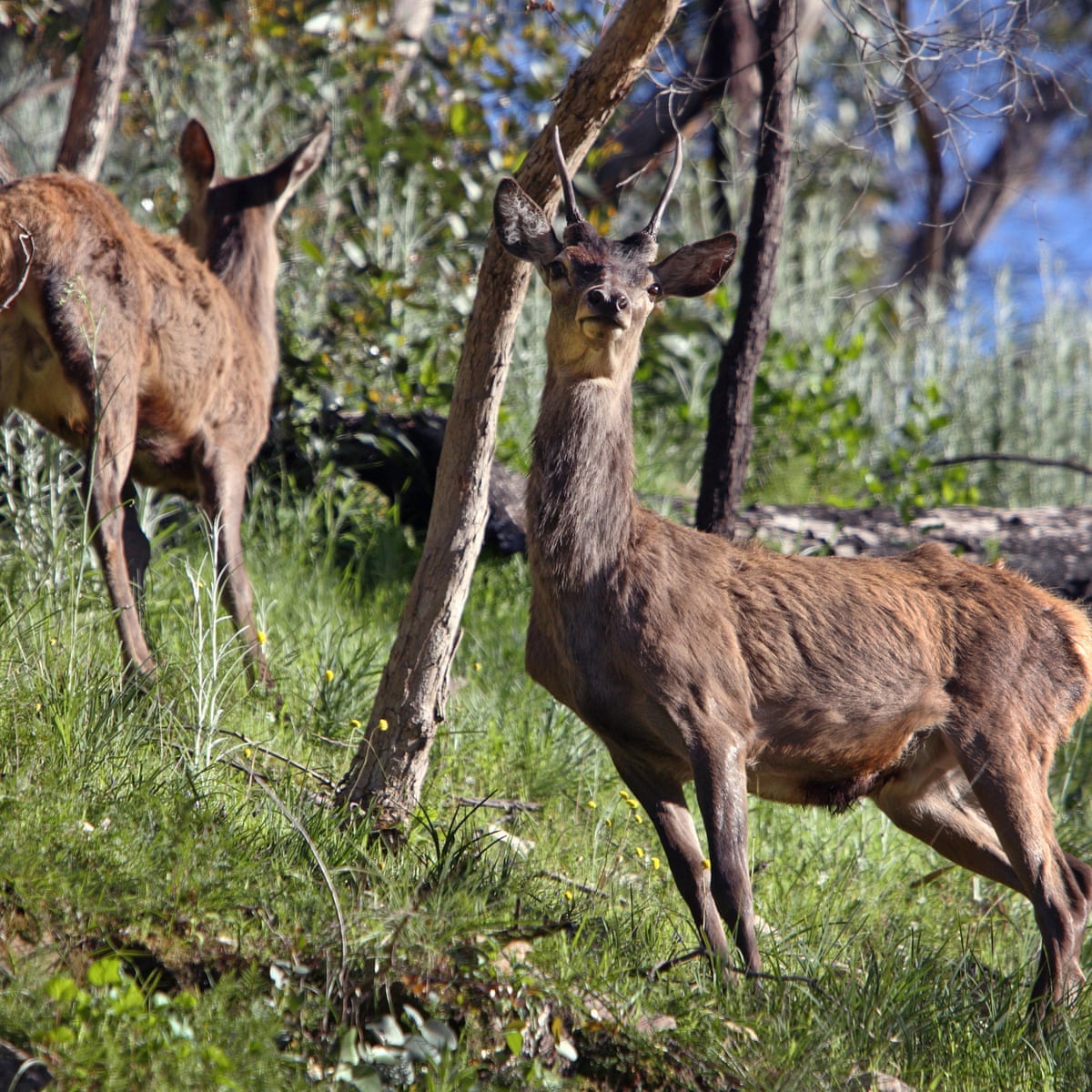
The report card found that almost every state and territory is falling short on containment. South Australia was the only jurisdiction to receive a green rating in the report card. The state runs an active regional eradication program. Six deer species are now established in Australia: chital, fallow, hog, red, rusa and sambar. Populations are moving out of their south-eastern strongholds into urban fringes, peri-urban areas and agricultural catchments.
For most readers this is a farming and biosecurity story. For environmental professionals, landholders, developers, councils and their legal advisers, it has a more specific consequence. Land carrying biodiversity offset obligations, rehabilitation conditions, riparian restoration commitments or erosion and sediment control requirements is exposed to a pest whose impacts directly work against those outcomes. The report card is a signal that deer pressure on these sites is likely to increase, not stabilise, over the remaining life of the national plan.
Key details
The report card measures progress against the National Feral Deer Action Plan 2023-2028, the national framework intended to coordinate deer management across jurisdictions. With the plan now past its midpoint, the assessment concludes that containment efforts in most states and territories are either failing or stalled. South Australia’s green rating stands out because the state relies on a regional eradication approach rather than localised control or harvest management.
The six established species occupy different habitats and present different management challenges. Sambar, fallow and red deer are associated with the south-east, while chital, rusa and hog deer have more restricted but still established populations. The report card’s central finding is that range expansion is continuing into peri-urban zones and sensitive agricultural catchments, which brings deer into closer contact with roads, water supply catchments, revegetation projects and urban growth corridors.
The documented ecological impacts of feral deer fall into several categories relevant to land management:
- Preferential browsing and overgrazing of native understorey and regenerating plants, which can suppress natural regeneration and planted stock.
- Bark stripping and antler rubbing on saplings and young trees, which can ringbark and kill them.
- Trampling, rutting and wallowing that destabilise soil, particularly along creek lines and in wet areas.
- Water quality degradation in riparian zones through sediment mobilisation and bank damage.
The estimated cost of more than $91 million per year covers both economic losses and ecological damage. That figure should be read as a national aggregate rather than a site-level cost, but it gives a useful indication of scale. It places feral deer firmly among the vertebrate pests that warrant structured, budgeted control rather than opportunistic management.
The regulatory picture is fragmented. South Australia requires landholders to control feral deer under the Landscape South Australia Act 2019. Victoria manages pest animals under the Catchment and Land Protection Act 1994 but continues to treat some deer species as game under the Wildlife Act 1975. In NSW, the General Biosecurity Duty under the Biosecurity Act 2015 applies to anyone dealing with biosecurity matter who knows, or ought reasonably to know, the risk it poses, and herbivory and environmental degradation caused by feral deer is listed as a key threatening process under the Biodiversity Conservation Act 2016. These differences make a uniform, landscape-scale eradication strategy difficult to achieve across state borders.
Australian context
Feral deer management in Australia sits across Commonwealth and state frameworks, and the obligations that apply to a given site depend heavily on its location. At the Commonwealth level, the Environment Protection and Biodiversity Conservation Act 1999 (EPBC Act) provides the key threatening process framework covering habitat degradation, competition and disease transmission by feral species. Where deer impacts affect EPBC-listed threatened species or ecological communities, those impacts can become relevant when approval conditions and offset requirements are framed and later assessed for compliance.
At state level, the contrast between South Australia and Victoria illustrates the problem the report card identifies. A landholder in South Australia has a clear legal obligation to control feral deer. A landholder a short distance across the border in Victoria may be dealing with the same species under a framework that still recognises some deer as a game resource. In NSW, deer remain game species on declared public hunting land, while the General Biosecurity Duty and the key threatening process listing operate in parallel. Queensland has its own general biosecurity obligation under the Biosecurity Act 2014 (Qld), which landholders should check against current pest declarations for their area. Organisations with land holdings in more than one state cannot assume that a single control standard or management approach will satisfy every regulator.
The NSW Biodiversity Offsets Scheme is where the regulatory overlap is most direct. Offset sites established under the scheme are expected to deliver measurable improvements in biodiversity values over time. Biodiversity stewardship sites operate under a management plan that sets out required management actions, which commonly include feral animal control, and landholders report annually to the Biodiversity Conservation Trust. Annual management payments depend on those actions being carried out. Where deer are browsing regenerating understorey, stripping bark from young trees or damaging creek banks, the site can fall behind the vegetation condition gains on which its credits were based, even if every other management action is on track.
The same pressure applies outside the offsets scheme. Development consents, mine rehabilitation conditions and riparian works often carry vegetation management plans, planting survival targets or completion criteria. Deer damage to planted stock and disturbed soils can delay sign-off, trigger replacement planting and increase erosion and sediment control costs. Responsibility for meeting those conditions generally stays with the consent holder or landholder, regardless of where the deer came from.
What this means for landholders and project proponents
The report card does not change any legal obligation on its own, but it does indicate that deer are likely to reach sites that have not dealt with them before. Practical steps for organisations managing offset, rehabilitation or restoration land include:
- Recording deer presence and impacts in baseline surveys and ongoing monitoring, so that damage can be identified early and distinguished from other causes of poor regeneration.
- Including deer control in management plans and budgets as a recurring cost rather than a one-off response.
- Considering exclusion fencing or tree guards for high-value plantings and riparian works where deer are present or nearby.
- Coordinating with neighbouring landholders, local councils and the relevant state agency, such as Local Land Services in NSW, as control on a single property is rarely effective if surrounding land is not managed.
- Checking the legal status of each species in the relevant state before undertaking control, including any game, permit and firearms requirements that apply.
With most jurisdictions rated as failing or stalled on containment, landholders and project proponents carrying long-term ecological obligations should plan on deer management being part of their compliance costs for the foreseeable future.
References and related sources
- Primary source: www.theguardian.com
- theworldnewsstation.com
- theguardian.com
- rosebot.org
- theguardian.com
- SA EPA
- EPBC Act
How iEnvi can help
iEnvi provides specialist consulting services relevant to this topic. Our team includes CEnvP Site Contamination Specialists with experience across contaminated land, groundwater, remediation, ecology, and regulatory compliance.
- iEnvi contaminated land investigation services
- iEnvi remediation and validation services
- iEnvi expert services and independent review services
This is an iEnvi Machete news summary. Prepared by iEnvi to summarise the source article for contaminated land, groundwater, remediation, approvals and site risk professionals.
Published: 04 Nov 2026
Need advice on this topic? Speak to an iEnvi expert at info@ienvi.com.au or 1300 043 684, or contact us online.
Need advice on this issue? iEnvi provides practical, senior-led environmental consulting across contaminated land, remediation, ecology and environmental risk.
Team credentials Contaminated land services Remediation services Groundwater services Talk to iEnvi