
Vales Point BESS: SSDA and EIS lodged in NSW
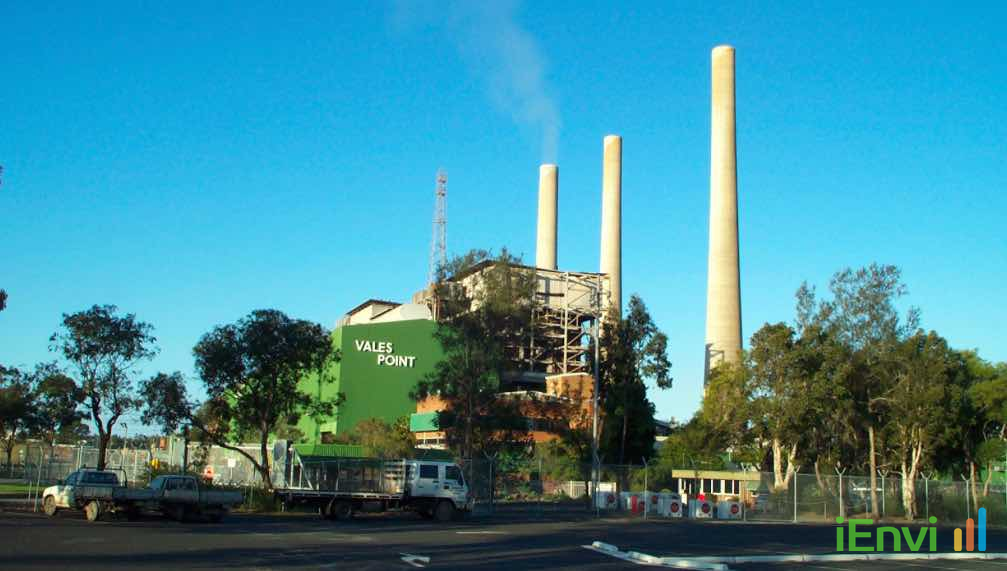
Delta Electricity and South Korean engineering group Samsung C&T have lodged a State Significant Development Application (SSDA) and Environmental Impact Statement (EIS) with the NSW Department of Planning, Housing and Infrastructure for the Vales Point Battery Energy Storage System (BESS). The proposed battery is sized at up to 400 megawatts (MW) and 800 megawatt-hours (MWh). The proponents say this is enough to firm electricity demand for about 250,000 homes for two hours. RenewEconomy reported the lodgement on 12 November 2026.
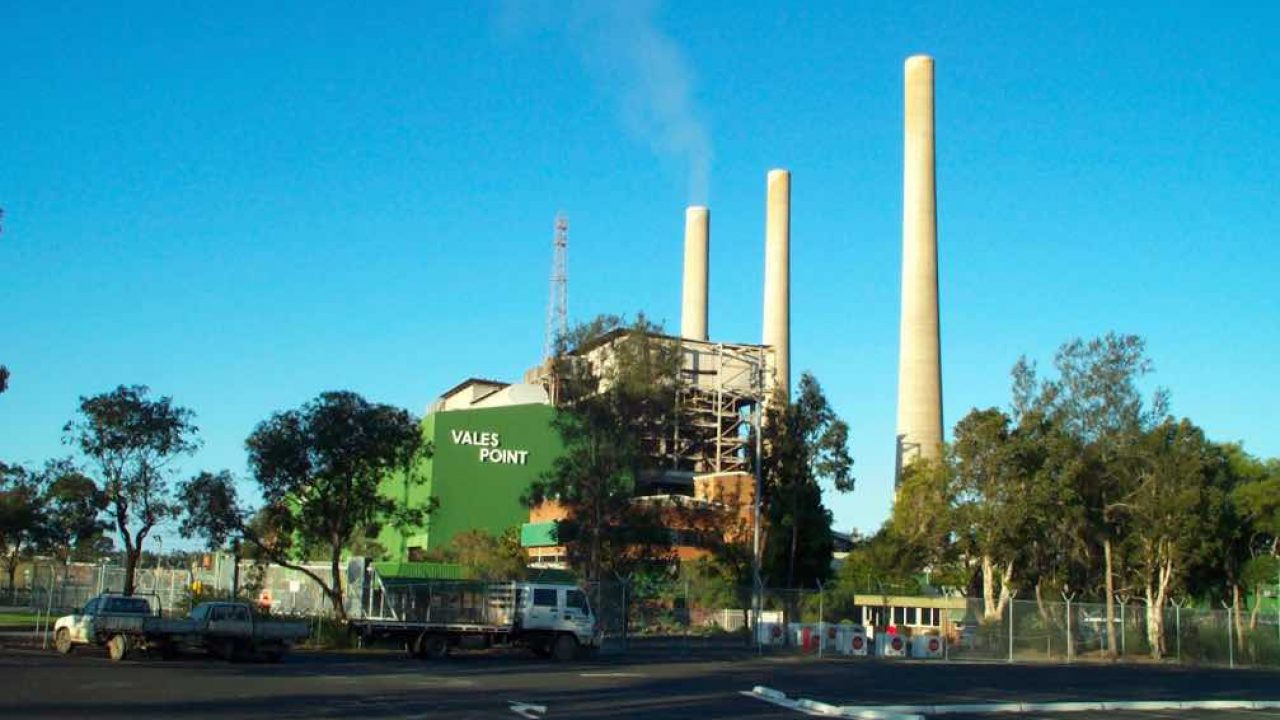
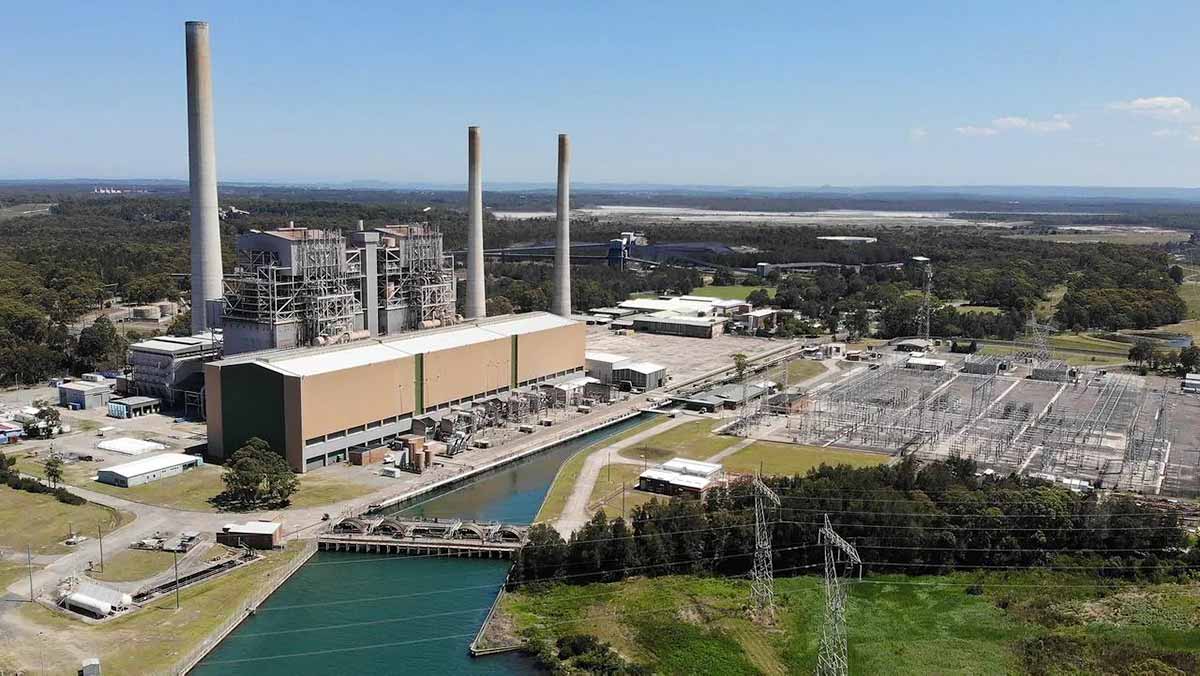
The battery would be built on the operating site of the 1,320 MW Vales Point coal-fired power station, which sits on the shores of Lake Macquarie within the Hunter-Central Coast Renewable Energy Zone (REZ). Vales Point B has operated for nearly 50 years and is scheduled to retire in 2033. The application follows 18 months of technical, environmental and community studies. It is the first formal planning step in moving the site from coal generation to another use.
The project is relevant beyond the energy sector. Developers, landowners, councils and legal advisers are increasingly looking at retiring thermal power stations as sites for storage, industrial reuse and grid infrastructure. The case for these sites rests on existing transmission connections and land that has already been disturbed. Their risks lie in decades of industrial use, ash management and proximity to sensitive receiving waters. The assessment of Vales Point is likely to give NSW practitioners an indication of what consent authorities expect when a battery is placed on an active brownfield power station.
NSW SSD planning pathway and hazard assessment for Vales Point BESS
The Vales Point BESS is being assessed as State Significant Development under Part 4, Division 4.7 of the Environmental Planning and Assessment Act 1979 (NSW). The SSD classification is set by the State Environmental Planning Policy (Planning Systems) 2021. Under this pathway, the Minister or the Independent Planning Commission is the consent authority instead of the local council. The EIS must respond to Secretary’s Environmental Assessment Requirements covering hazards, contamination, water, noise, traffic, heritage and biodiversity. Assessment is multi-disciplinary, and gaps in any one technical study can delay determination.
Hazard assessment is likely to receive the most scrutiny. Chapter 3 of the State Environmental Planning Policy (Resilience and Hazards) 2021 carries forward the former SEPP 33 framework for potentially hazardous and offensive development. Where the screening thresholds are triggered, a preliminary hazard analysis is required. That analysis is guided by Hazardous Industry Planning Advisory Paper (HIPAP) No. 6 on hazard analysis and HIPAP No. 4 on risk criteria for land use safety planning. For lithium-ion battery systems, the main issues are:
- thermal runaway and propagation between battery enclosures
- fire separation distances to existing power station infrastructure
- toxic gas release during a battery fire
- containment of contaminated firewater so it cannot reach stormwater or the lake
Contamination and water quality requirements on a coal power station site
Contamination is handled separately under Chapter 4 of the same SEPP, which replaced the former SEPP 55. The consent authority must consider whether the land is contaminated. If it is, the authority must be satisfied that the land is suitable for the proposed use, or will be after remediation, before it grants consent. Site characterisation should follow the National Environment Protection (Assessment of Site Contamination) Measure 1999, as amended in 2013 (ASC NEPM). The source reporting does not describe any contamination findings at Vales Point. However, the contaminants of potential concern usually assessed at coal-fired power stations include:
- total recoverable hydrocarbons (TRH) and BTEX from fuel and oil handling
- polycyclic aromatic hydrocarbons (PAHs) from coal handling and combustion residues
- polychlorinated biphenyls (PCBs) from legacy transformers and electrical equipment
- asbestos in building fabric, pipe lagging and fill
- metals and metalloids associated with coal ash, including arsenic, selenium, boron and mercury
Per- and polyfluoroalkyl substances (PFAS) also need to be considered anywhere firefighting foams may have been stored, tested or used.
Water quality criteria depend on the receiving environment. Lake Macquarie is a saline coastal lake. Stormwater and groundwater results should therefore be screened against the marine default guideline values in the Australian and New Zealand Guidelines for Fresh and Marine Water Quality (ANZG 2018), with site-specific values derived where the data support it. Coal ash repositories carry known risks of alkaline leachate and trace metal mobilisation, so groundwater gradients between ash areas, the battery footprint and the lake shoreline need to be understood. The power station already holds an Environment Protection Licence (EPL) under the Protection of the Environment Operations Act 1997 (NSW). The proponents will need to work out whether battery construction and operation fall within that licence, require a variation, or need separate regulatory arrangements.
NSW contaminated land, waste and auditing framework
NSW is the jurisdiction most directly affected, and the main contaminated land instruments here are well established. Contamination reports supporting a planning application should be prepared in line with the NSW EPA’s Consultants Reporting on Contaminated Land guidelines (2020) and its Sampling Design guidelines (2022). Section 60 of the Contaminated Land Management Act 1997 (NSW) imposes a duty to notify the EPA where contamination meets the reporting thresholds. Where the consent authority or a financier wants independent verification, the same Act provides for site audits by accredited auditors, resulting in a Site Audit Statement.
Waste generated during construction, including excavated soil, demolition material and any ash-affected fill, must be classified under the NSW EPA Waste Classification Guidelines (2014) before it leaves the site. Material intended for reuse elsewhere must meet the conditions of a resource recovery order and exemption under the Protection of the Environment Operations (Waste) Regulation 2014, such as the excavated natural material order. Soil that does not meet those conditions will generally need to go to a facility licensed to accept it. Section 143 of the Protection of the Environment Operations Act 1997 (NSW) makes it an offence to transport or deposit waste at a place that cannot lawfully receive it, so tracking and documentation matter on a site of this size.
Biodiversity is assessed under the Biodiversity Conservation Act 2016 (NSW). SSD applications must be accompanied by a Biodiversity Development Assessment Report unless the relevant agencies determine that the project is not likely to have a significant impact on biodiversity values. On a site that has been heavily disturbed for decades, the remaining vegetation along the foreshore and around the site boundary is likely to be the main focus.
Next steps for the Vales Point BESS application
The EIS will be publicly exhibited for a minimum of 28 days, during which the community, Lake Macquarie City Council and government agencies can make submissions. The proponents will then need to respond to the issues raised before the Department completes its assessment. Whether the Minister or the Independent Planning Commission determines the application will depend on factors such as the number of unique public objections and whether the council objects.
Vales Point is not the first NSW coal power station site to host a large battery. Origin Energy’s Eraring battery, also on Lake Macquarie, and AGL’s Liddell battery in the Hunter have both been developed alongside existing coal plants. For consultants and landowners, the questions to follow at Vales Point are how the consent conditions deal with firewater containment, ash-affected ground and the boundary between the existing EPL and the new battery operations.
References and related sources
- Primary source: reneweconomy.com.au
- reneweconomy.com.au
- civl.com
- reneweconomy.com.au
- PFAS National Environmental Management Plan (NEMP)
- NEPM Assessment of Site Contamination
- ANZG Water Quality Guidelines
How iEnvi can help
iEnvi provides specialist consulting services relevant to this topic. Our team includes CEnvP Site Contamination Specialists with experience across contaminated land, groundwater, remediation, ecology, and regulatory compliance.
- iEnvi groundwater services
- iEnvi asbestos services
- iEnvi remediation and validation services
- iEnvi expert services and independent review services
This is an iEnvi Machete news summary. Prepared by iEnvi to summarise the source article for contaminated land, groundwater, remediation, approvals and site risk professionals.
Published: 18 Nov 2026
Need advice on this topic? Speak to an iEnvi expert at info@ienvi.com.au or 1300 043 684, or contact us online.
Need advice on this issue? iEnvi provides practical, senior-led environmental consulting across contaminated land, remediation, ecology and environmental risk.
Team credentials Environmental management plans Contaminated land advice Remediation services Talk to iEnvi