
Eyre Peninsula Regional Landscape Plan 2026–2031 and Water Allocation Plan: What the 1 July 2026 Commencement Means for Environmental Practice
Overview
On 1 July 2026, two new statutory instruments are set to take effect simultaneously across South Australia’s Eyre Peninsula: the updated Eyre Peninsula Regional Landscape Plan 2026–2031 and the revised Eyre Peninsula Water Allocation Plan. Both instruments operate under the Landscape South Australia Act 2019 (SA) and are administered by the Eyre Peninsula Landscape Board. The dual commencement represents the most significant regulatory refresh for the region in several years, establishing an integrated framework that links water resource governance directly to broader natural resource management objectives for the first time under this legislative structure.
The Regional Landscape Plan covers approximately 80,000 square kilometres of land and more than 3,000 kilometres of coastline. It consolidates five priority areas: water, primary production, land and coastal biodiversity, pest plants and animals, and collaboration and partnerships. What distinguishes the 2026–2031 iteration from its predecessor is the explicit embedding of climate change adaptation and emissions reduction objectives across every priority area, rather than treating climate as a standalone theme. This change followed extensive stakeholder consultation and materially alters what regulators will expect from environmental impact assessments, site management plans, and development approvals throughout the region.
For environmental consultants, hydrogeologists, ecologists, land developers, and agricultural operators working across the Eyre Peninsula, the 1 July 2026 commencement is not a distant policy shift. It is an immediate compliance trigger. Projects at any stage, from early feasibility through to ongoing site management, must now be evaluated against the new plan’s priorities and the updated water allocation rules. Failure to align with these statutory requirements creates tangible approval risk, particularly for developments involving groundwater extraction, coastal land, or threatened species habitat.
Key details of the Eyre Peninsula Regional Landscape Plan 2026–2031 and Water Allocation Plan
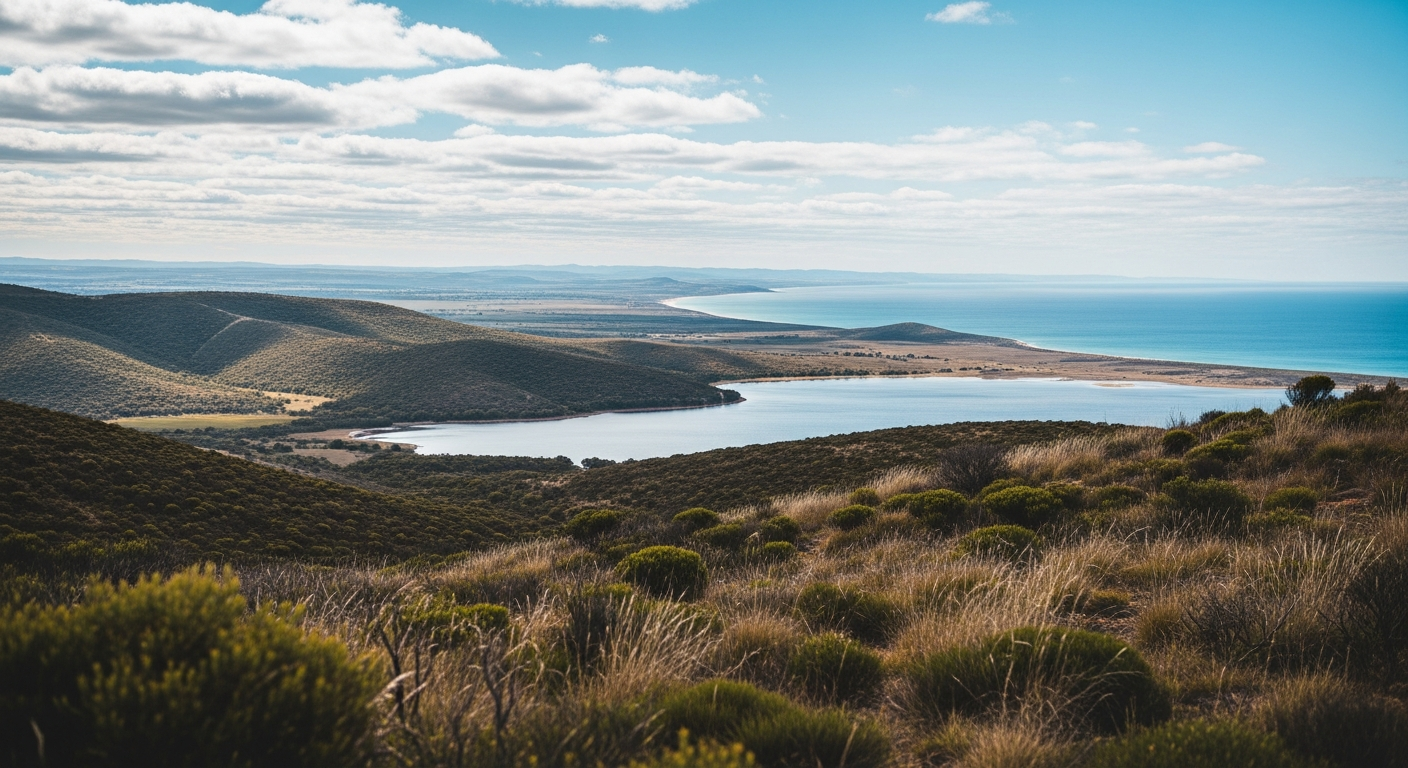
The Eyre Peninsula Regional Landscape Plan 2026–2031 is a statutory five-year framework established under the Landscape South Australia Act 2019. It sets regional targets, actions, and performance indicators across its five priority areas, and it forms part of the broader state-level planning architecture that includes both the Environment Protection Act 1993 (SA) and native vegetation and biodiversity legislation. The plan’s geographic scope, 80,000 square kilometres with more than 3,000 kilometres of coastline, makes it one of the larger regional landscape plans in South Australia by area.
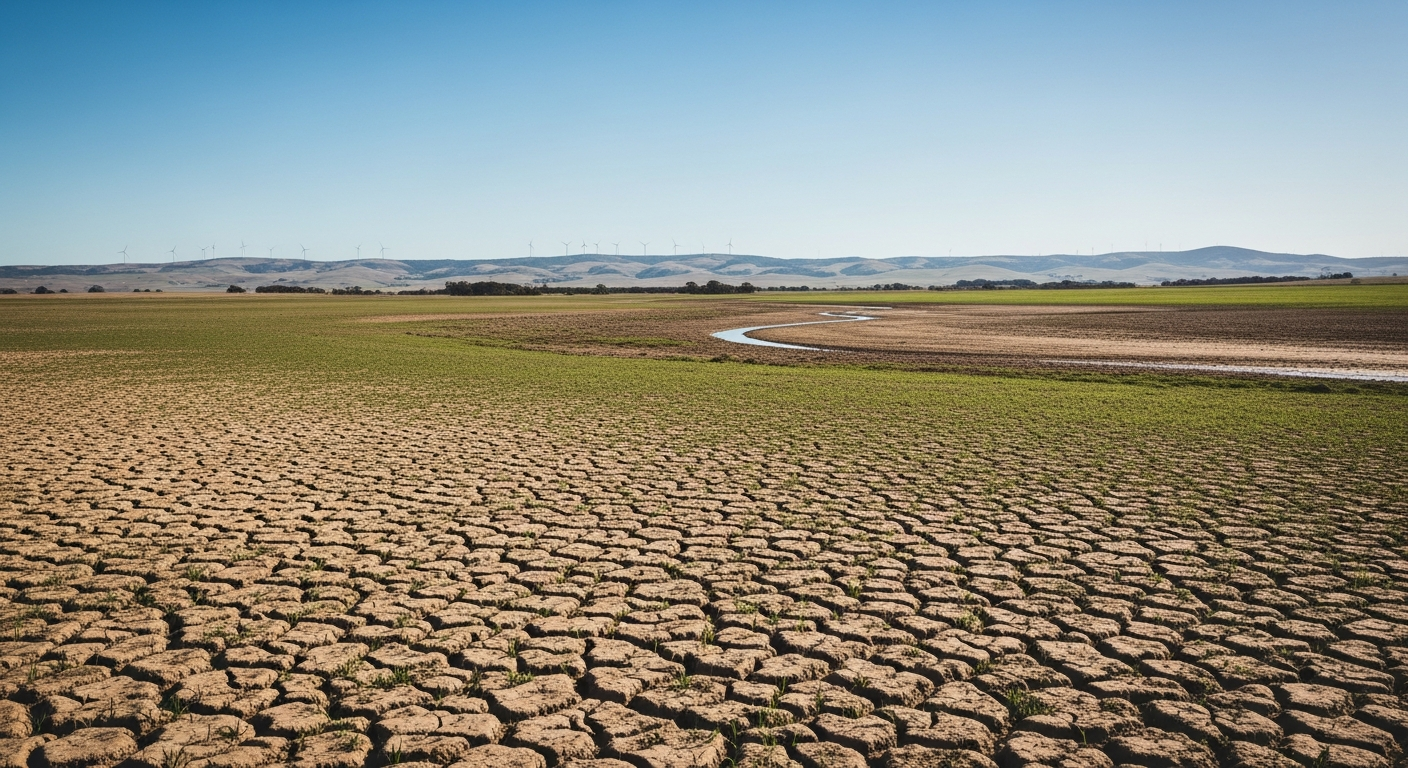
The Water Allocation Plan, which commences on the same date, introduces updated statutory rules for the extraction of groundwater and surface water across the region’s prescribed water resources. Water Allocation Plans under the Landscape South Australia Act 2019 establish legal entitlements, trade rules, and conditions on water-affecting activities. The 2026 update revises allocation limits to reflect current understanding of aquifer recharge rates and long-term climate projections, including anticipated reductions in rainfall and groundwater replenishment driven by a drying climate trend across southern Australia. Operators holding existing water licences are required to review their entitlements against the new allocation limits. Any groundwater extraction or water-affecting activity that was assessed against the previous plan’s limits must now be re-evaluated for compliance.
Climate adaptation has been structurally integrated across all five priority areas of the Regional Landscape Plan, not relegated to a separate chapter or optional consideration. This means that for the water priority area, management actions must demonstrate climate-responsive design. For primary production, soil health programmes must account for projected shifts in rainfall and temperature. For land and coastal biodiversity, restoration designs must incorporate species and ecosystem resilience under future climate scenarios. The plan specifically identifies temperate saltmarshes and threatened coastal ecosystems as areas requiring heightened protection, reflecting both their ecological sensitivity and their documented vulnerability to sea level rise and coastal erosion.
The collaboration and partnerships priority area introduces a formal requirement to incorporate Traditional Ecological Knowledge from the region’s Traditional Owners into planning and management activities. This is not a discretionary consultation step. It is a recognised component of the plan’s implementation framework. For practitioners preparing environmental management plans, biodiversity assessments, or cultural heritage impact assessments in the region, engagement with Traditional Owners and documented consideration of Traditional Ecological Knowledge will be an expected element of a compliant submission.
Australian context: how the Eyre Peninsula plans align with South Australian and national environmental frameworks
The Landscape South Australia Act 2019 replaced the former Natural Resources Management Act 2004 (SA), restructuring regional boards and renaming them as Landscape Boards while retaining their statutory functions over water, soil, biodiversity, and pest management. The Eyre Peninsula Landscape Board is one of eight regional boards operating under this framework. Water Allocation Plans prepared under the Act carry statutory weight equivalent to development plan policies for water-affecting activities, meaning that any development application or project approval involving groundwater extraction or water-affecting works will need to demonstrate consistency with the updated plan from the date of commencement.
References and related sources
- Primary source: www.landscape.sa.gov.au
- rdaep.org.au
- environment.sa.gov.au
- landscape.sa.gov.au
- SA EPA
- EPBC Act
How iEnvi can help
iEnvi provides specialist consulting services relevant to this topic. Our team includes CEnvP Site Contamination Specialists with experience across contaminated land, groundwater, remediation, ecology, and regulatory compliance.
- iEnvi groundwater services
- iEnvi remediation and validation services
- iEnvi expert services and independent review services
This is an iEnvi Machete news summary. Prepared by iEnvi to summarise the source article for contaminated land, groundwater, remediation, approvals and site risk professionals.
Published: 02 Jul 2026
Need advice on this topic? Speak to an iEnvi expert at info@ienvi.com.au or 1300 043 684, or contact us online.
Need advice on this issue? iEnvi provides practical, senior-led environmental consulting across contaminated land, remediation, ecology and environmental risk.
Team credentials Environmental management plans Contaminated land services Remediation services Talk to iEnvi