
Overview
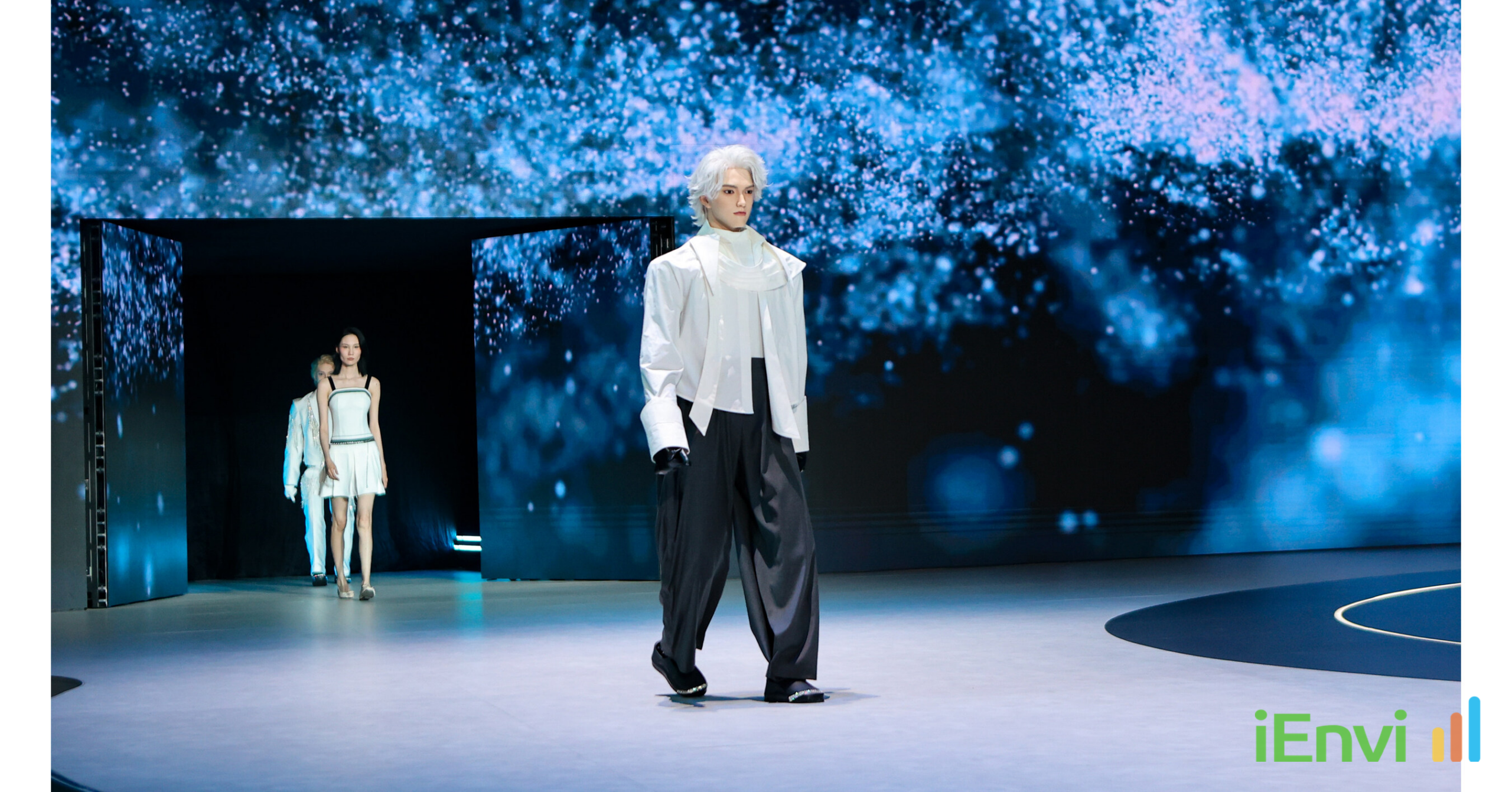
On 30 June 2026, UBTECH Robotics hosted its 2026 Global Launch Event in Shenzhen, China, unveiling the UWORLD U1 Series, a lineup the company describes as the world’s first full-size, ultra-bionic humanoid robots designed explicitly for mass production and consumer-grade deployment. Within hours of the announcement, cumulative pre-orders surpassed 13,361 units, a figure that demonstrates genuine market appetite rather than speculative interest. The launch marks a meaningful shift in the trajectory of humanoid robotics, moving the technology out of closely controlled industrial environments and into commercial and residential settings at scale.
For professional services sectors in Australia, including aged care, healthcare, hospitality, and facilities management, this development is commercially significant because it demonstrates that the underlying supply chains for bionic hardware, covering actuators, multi-degree-of-freedom joint systems, and hyper-realistic silicone skin, have matured to a point where scalable production is economically viable. UBTECH has an established track record in industrial robotics, having deployed units at NIO and FAW-Volkswagen manufacturing plants. The pivot toward a consumer-facing, companionship-oriented product line represents a deliberate strategic repositioning rather than a tangential experiment.
James Zhou, Founder, Chairman, and CEO of UBTECH, framed the launch within a three-phase vision for humanoid robotics: first, replacing humans in hazardous and repetitive labour; second, extending into everyday life through companionship and service; and third, achieving increasingly seamless human-robot interaction. The U1 Series represents the company’s entry into phase two, and the commercial reception at launch suggests phase three is closer than most industry analysts anticipated even two years ago.
Key details of the UWORLD U1 Series specifications and pricing
The UWORLD U1 Series is offered in three configurations. The semi-torso U1 Lite is priced at 119,800 RMB (approximately AUD 27,500 at current exchange rates, or roughly USD 16,500). The full-body U1 Pro is priced at 169,800 RMB (approximately AUD 38,900, or USD 23,400). At the premium end, the high-dynamic U1 Ultra male model is priced at 990,000 RMB (approximately AUD 227,000, or USD 137,000). First deliveries across the range are scheduled to commence in late 2026.
In terms of physical form factor, the male model stands 183 centimetres tall and weighs 42 kilograms. The female model stands 168 centimetres tall and weighs 35.2 kilograms. Both variants feature hyper-realistic silicone skin engineered to replicate simulated pores, subcutaneous vein textures, and fingerprint detail, alongside real hair. These are not stylised androids in the science fiction tradition; they are designed to approximate human appearance closely enough to function in social environments without triggering the acute discomfort associated with robots that fall short of full realism.
The mechanical architecture is built around 88 degrees of freedom, a figure that places the U1 Series well above most commercially available humanoid platforms. A proprietary dual-pivot biomimetic cervical spine is central to the design, enabling a movement repertoire that UBTECH states replicates up to 90% of fundamental human movements, including natural gestures such as sitting, leaning, and hugging. This range of motion is critical for companionship applications where stilted or mechanical movement would undermine the robot’s social utility.
The computational architecture is described by UBTECH as a cognitive-neuroscience-inspired “fast-and-slow brain” dual system. The fast brain delivers sub-500-millisecond local intuitive responses for natural speech and reactive interaction. The slow brain draws on large language models with hundreds of billions of parameters to handle deep reasoning tasks. Critically, the emotional AI component, which is capable of recognising more than 20 fine-grained emotional states with accuracy exceeding 90%, operates entirely on-device using local encrypted memory storage. No interaction data is transmitted to cloud servers. This design decision directly addresses privacy and data sovereignty concerns that have historically been a significant barrier to adoption in professional and healthcare settings.

Australian context: physical AI, workforce gaps, and emerging regulatory considerations
Australia faces well-documented labour shortages in aged care and disability support services. The Royal Commission into Aged Care Quality and Safety, which delivered its final report in March 2021, highlighted systemic workforce insufficiency as a central structural problem. Since then, the aged care sector has continued to struggle to recruit and retain staff at the scale required by an ageing population. Companion robots at the functional and social sophistication of the UWORLD U1 are directly relevant to this gap, not as replacements for clinical care staff, but as supplements that can provide social engagement, routine assistance, and emotional support to residents in ways that reduce the burden on human carers during off-peak hours.
From a regulatory standpoint, Australia does not currently have a dedicated legislative framework governing the deployment of humanoid robots in residential aged care, disability accommodation, or healthcare facilities. The Aged Care Act 1997 and its successor framework under the Aged Care Act 2024, alongside the National Disability Insurance Scheme Act 2013, establish quality and safety obligations that any technology deployed in these settings would need to satisfy. The Therapeutic Goods Administration (TGA) may have oversight jurisdiction if a companion robot makes or implies health-related claims. The Privacy Act 1988, and particularly the Australian Privacy Principles (APPs), would govern the collection, storage, and handling of any personal information captured during human-robot interactions.
References and related sources
- Primary source: www.prnewswire.com
- gasgoo.com
- goldmansachs.com
- hashout.jp
- techeblog.com
How iEnvi can help
iEnvi integrates technology and data-driven approaches into environmental consulting. We monitor AI and technology developments that affect how environmental professionals deliver services to clients.
This is an iEnvi Machete news summary. Prepared by iEnvi to summarise the source article for environmental professionals tracking AI, data, and technology developments that affect consulting and project delivery.
Published: 02 Jul 2026
Need advice on this topic? Speak to an iEnvi expert at info@ienvi.com.au or 1300 043 684, or contact us online.
Need advice on this issue? iEnvi provides practical, senior-led environmental consulting across contaminated land, remediation, ecology and environmental risk.
Contaminated land advice Remediation services Discuss your site Talk to iEnvi