
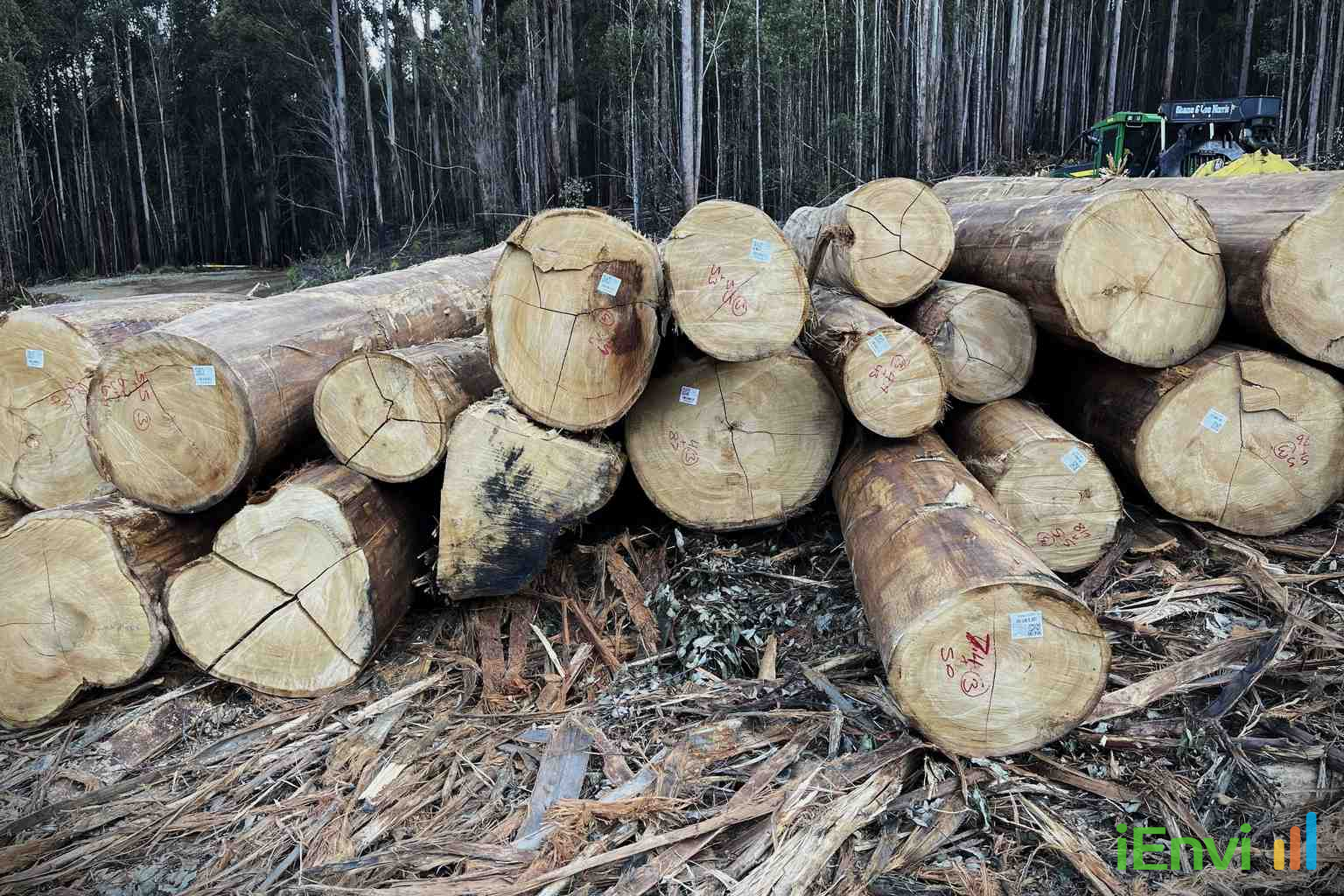
Overview of the Tasmanian Forestry and EPBC Act Transition
On 9 June 2026, the Australian Federal Government and the Tasmanian Government formally committed to negotiating a bilateral agreement that will bring Tasmanian forestry operations under federal environmental oversight for the first time in decades. Federal Minister for the Environment and Water, Murray Watt, issued a Notice of Intention to develop a draft bilateral agreement that would accredit Tasmania’s existing Forest Practices System alongside incoming federal National Environmental Standards. The trigger for this transition is legislative: the Environment Protection Reform Act 2025, passed on 28 November 2025, sets 1 July 2027 as the date on which Regional Forest Agreement exemptions from the Environment Protection and Biodiversity Conservation Act 1999 (EPBC Act) will expire.
For the better part of three decades, Regional Forest Agreements have provided native forest logging operations with a legislated carve-out from federal environmental assessment requirements under the EPBC Act. That arrangement protected forestry proponents from the referral, assessment, and approval processes that every other major industry facing significant impacts on matters of national environmental significance must navigate. The removal of that exemption on 1 July 2027 is not an incremental policy adjustment. It is one of the most structurally significant changes to Australian environmental regulation since the EPBC Act itself commenced in 2000.
For environmental professionals advising developers, land managers, timber industry clients, regional councils, and financiers, this transition creates immediate obligations around project planning, ecological baseline studies, and compliance pathway design. The Tasmanian bilateral negotiation is explicitly described by the Federal Government as the first formal step toward landscape-scale approvals under the broader Nature Positive legislative reforms, meaning it will set direct precedent for other RFA states including New South Wales and Western Australia. The window to prepare is short, and the regulatory architecture that will govern operations from mid-2027 is still being drafted.
Key details of the federal-Tasmanian forestry bilateral agreement and the 2027 EPBC Act transition
The Commonwealth has allocated $28 million over two years in the 2026-27 Federal Budget to support the national transition of forestry regulation away from RFA exemptions. Of that total, up to $8.5 million is earmarked specifically for Tasmania to align its Forest Practices System with the new federal National Environmental Standards. This funding is intended to support system redesign, capacity building, and the technical work required to demonstrate that Tasmania’s accredited regulatory framework meets the threshold requirements the Commonwealth will set under the National Environmental Standards currently under development.
The legal mechanism driving this change is the Environment Protection Reform Act 2025, which amended the EPBC Act to give RFA exemptions a fixed sunset date of 1 July 2027. Prior to that amendment, the exemptions operated on an indefinitely rolling basis, provided RFAs were renewed by the relevant state and federal parties. The new bilateral agreement model replaces that arrangement with an accreditation pathway: if a state’s forestry regulatory system is formally accredited against National Environmental Standards, forestry operations within that state can proceed under the accredited state system rather than requiring individual referrals and assessments under the EPBC Act. Without a completed bilateral agreement in place by 1 July 2027, forestry operations that would otherwise trigger EPBC Act provisions relating to matters of national environmental significance would require case-by-case federal referral and assessment.
The National Environmental Standards that will govern this accreditation are still in draft development. The standards are designed to set legally binding, outcome-based requirements for how significant environmental impacts must be assessed, avoided, and managed. Unlike the previous RFA framework, which was negotiated as a political settlement between governments, the National Environmental Standards are intended to be scientifically grounded thresholds that cannot be waived through intergovernmental agreement alone. For forestry, this means that operations affecting threatened species habitat, Ramsar wetlands, world heritage areas, or other matters of national environmental significance will need to demonstrate compliance against these standards rather than relying on the existence of an RFA as a blanket exemption.
The bilateral negotiation process itself involves the Commonwealth issuing a formal Notice of Intention, which triggers a structured negotiation period with the relevant state government. The outcome of that negotiation is a bilateral agreement under which the Commonwealth formally accredits the state’s regulatory system. Critically, accreditation is conditional on the state system maintaining ongoing equivalence with the National Environmental Standards. If Tasmania’s Forest Practices System is assessed as falling short, accreditation can be withheld or revoked, meaning forestry operations would revert to requiring direct federal assessment. This conditionality represents a substantively different accountability mechanism compared to the previous RFA model.
Australian context: how the EPBC Act forestry exemption repeal affects regulation across NSW, WA, and other RFA states
Australia currently has twelve Regional Forest Agreements in place, spanning Tasmania, New South Wales, Victoria, and Western Australia. Each of these agreements was negotiated between the Commonwealth and the relevant state government, primarily during the late 1990s and early 2000s, and each carries legislative exemptions from federal environmental assessment requirements under the EPBC Act. The repeal of those exemptions on 1 July 2027 means that every RFA state will need to either secure an accredited bilateral agreement under the new National Environmental Standards framework or expose forestry operations within their jurisdiction to direct federal referral and assessment obligations. Tasmania’s bilateral negotiation, as the first formally initiated under the new model, will establish the procedural and substantive benchmarks against which subsequent state negotiations are likely to be measured.
References and related sources
- Primary source: pulsetasmania.com.au
- woodcentral.com.au
- tasgreensmps.org
- woodcentral.com.au
- EPBC Act
How iEnvi can help
iEnvi provides specialist consulting services relevant to this topic. Our team includes CEnvP Site Contamination Specialists with experience across contaminated land, groundwater, remediation, ecology, and regulatory compliance.
- iEnvi due diligence services
- iEnvi remediation and validation services
- iEnvi expert services and independent review services
This is an iEnvi Machete news summary. Prepared by iEnvi to summarise the source article for contaminated land, groundwater, remediation, approvals and site risk professionals.
Published: 12 Jun 2026
Need advice on this topic? Speak to an iEnvi expert at info@ienvi.com.au or 1300 043 684, or contact us online.