
Overview
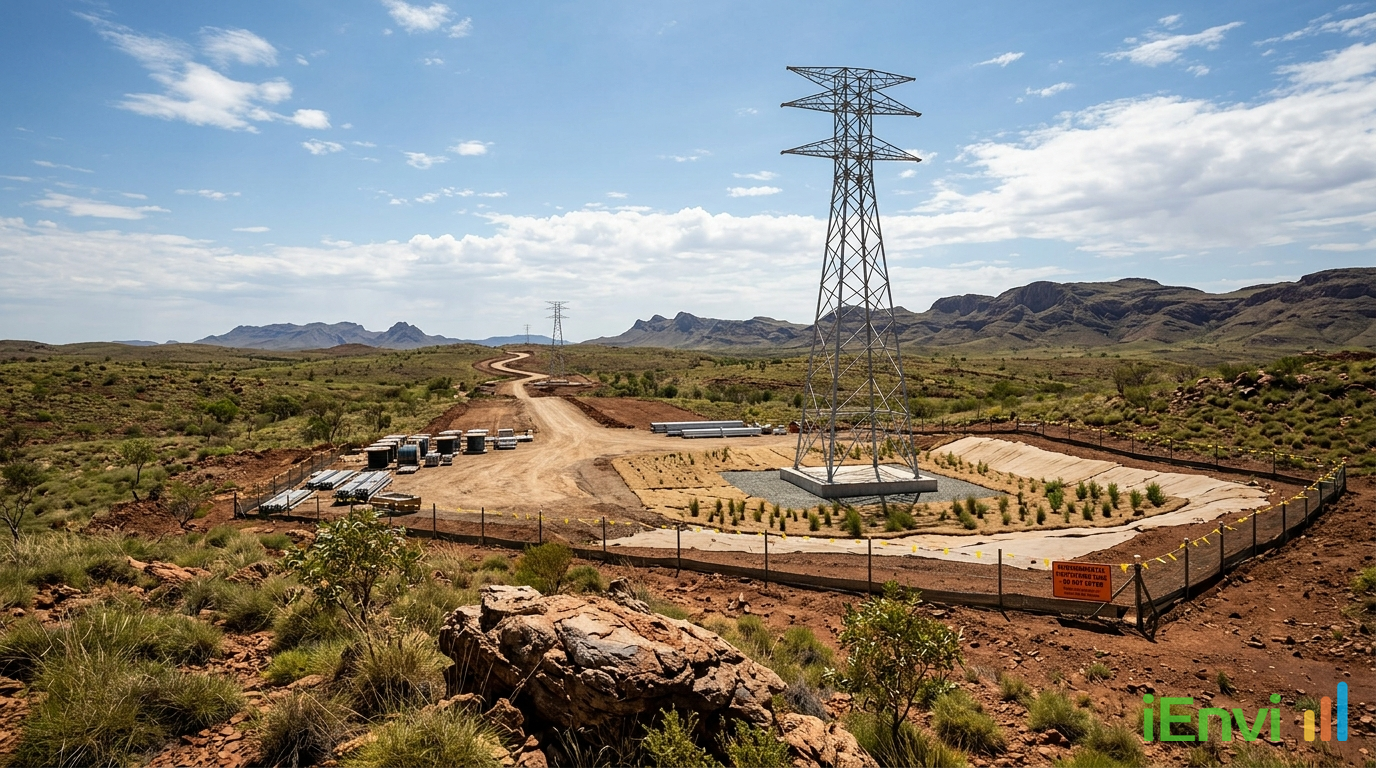
On 24 April 2026, Federal Environment Minister Murray Watt granted official environmental approval under the Environment Protection and Biodiversity Conservation Act 1999 (Cth) (EPBC Act) for the North West Transmission Developments (NWTD) project in Tasmania. The approval covers a 162-kilometre transmission corridor that forms a critical inland component of the multibillion-dollar Project Marinus, connecting the Marinus Link undersea cable with Tasmania’s established renewable energy generation network. The decision marks a major regulatory milestone for Australia’s east coast energy transition, but it arrives with a level of regulatory scrutiny that will demand sustained, highly specialised environmental management for years to come.
Minister Watt’s approval is subject to 62 strict federal environmental conditions. These conditions sit directly on top of existing Tasmanian Government approvals and are specifically designed to prevent unacceptable impacts to protected native species and their habitats along the full length of the corridor. For developers, financiers, and project managers working in the renewable energy and infrastructure sectors, this approval signals that green infrastructure is held to the same rigorous biodiversity protection standards as any other major development. The scale of the compliance obligation is substantial, and the precedent it sets for similar linear renewable infrastructure projects nationally is considerable.
For Australian environmental professionals, including terrestrial ecologists, environmental planners, compliance auditors, and legal advisers, the NWTD approval represents the kind of dual-jurisdiction, long-duration engagement that will define large-scale infrastructure work through the remainder of this decade. Understanding the structure of the approval, the nature of the conditions imposed, and how they interact with Tasmanian state requirements is essential for any practitioner advising clients with exposure to the renewable energy supply chain.
Compliance Requirements for EPBC Act Approval
The NWTD project involves the construction and operation of a high-voltage transmission corridor spanning 162 kilometres across north-west Tasmania. This corridor is the terrestrial infrastructure backbone required to carry electricity generated from Tasmanian renewable sources to the Marinus Link, the proposed undersea interconnector that would link Tasmania to the Victorian grid on the Australian mainland. The project is a defined component of Project Marinus, which is itself a multibillion-dollar investment in expanding Australia’s interstate transmission capacity and firming up renewable energy supply to the National Electricity Market.
Federal Environment Minister Murray Watt’s decision to approve the project under the EPBC Act came with 62 discrete environmental conditions attached. These conditions are legally binding and enforceable at the federal level, independent of any conditions imposed by the Tasmanian Government through its own assessment and approval processes. At 62 conditions, the compliance burden is among the heavier seen for linear transmission infrastructure in recent years, and reflects the complexity of managing biodiversity impacts across a corridor of this length. Linear infrastructure projects present unique environmental challenges because they traverse multiple distinct habitat types, catchments, and ecological communities, rather than being confined to a single, bounded footprint.
The federal conditions are directed at protecting native species listed under the EPBC Act, which includes flora and fauna assessed as threatened or of national environmental significance. Typical conditions of this kind for linear transmission corridors include requirements for pre-clearance surveys by qualified ecologists, fauna exclusion fencing and translocation protocols, seasonal construction windows to avoid critical breeding periods, strict controls on vegetation clearing widths, erosion and sediment management, weed and pathogen hygiene protocols, and the preparation and implementation of biodiversity management plans that must be reviewed and approved by the federal regulator before ground disturbance can commence. The specific detail of all 62 conditions would be contained within the formal approval instrument issued by the Department of Climate Change, Energy, the Environment and Water.
The federal approval layers upon, rather than replaces, existing Tasmanian Government approvals for the project. This dual-jurisdiction structure means that the project proponent, TasNetworks, must simultaneously satisfy the requirements of both the Tasmanian planning and environment system and the federal EPBC Act framework. Where the two sets of conditions overlap in subject matter, the more stringent requirement effectively governs on-ground practice. Construction contractors and their environmental representatives must maintain thorough documentation demonstrating compliance with both sets of obligations, as federal auditors and state inspectors may assess works independently of one another.
Australian context: EPBC Act linear infrastructure approvals and the renewable energy transition
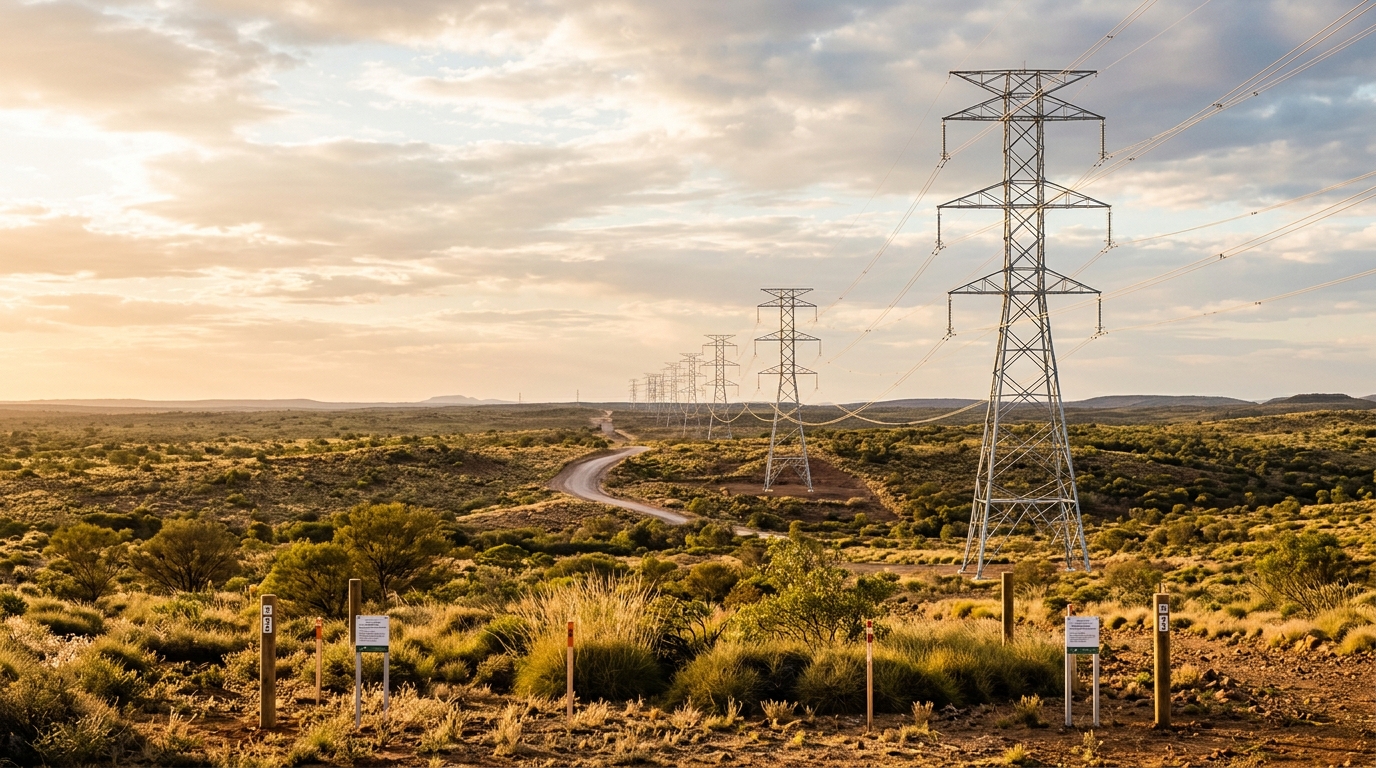
The NWTD approval is one of the most visible recent examples of the EPBC Act’s application to renewable energy enabling infrastructure. The EPBC Act’s triggers for federal environmental assessment include impacts on matters of national environmental significance, most commonly threatened species and ecological communities listed under the Act, and migratory species. A 162-kilometre corridor through Tasmanian landscapes, which support a range of EPBC-listed fauna and vegetation communities, would readily trigger these provisions. The federal assessment process for projects of this complexity is typically conducted through the bilateral assessment arrangements between the Commonwealth and state governments, under which Tasmania’s own assessment processes are accredited to satisfy federal information requirements, with the federal Minister retaining the final decision-making power on approval.
References and related sources
- Primary source: minister.dcceew.gov.au
- EPBC Act
How iEnvi can help
iEnvi provides specialist consulting services relevant to this topic. Our team includes CEnvP Site Contamination Specialists with experience across contaminated land, groundwater, remediation, ecology, and regulatory compliance.
- iEnvi contaminated land investigation services
- iEnvi remediation and validation services
- iEnvi expert services and independent review services
This is an iEnvi Machete news summary. Prepared by iEnvi to summarise the source article for contaminated land, groundwater, remediation, approvals and site risk professionals.
Published: 25 Apr 2026
Need advice on this topic? Speak to an iEnvi expert at hello@ienvi.com.au or 1300 043 684, or contact us online.
Need advice on this issue? iEnvi provides practical, senior-led environmental consulting across contaminated land, remediation, ecology and environmental risk.
Contaminated land services Remediation services Groundwater services Ecological assessment Talk to iEnvi